Russia Deepens Cuba Alliance with Energy, Oil Pacts
Russia is reinforcing support for Cuba with pledges of long-term energy assistance, seeking to alleviate shortages Moscow attributes to the US embargo.
Lauren Collins ·
Expanded Energy and Economic Aid
A senior Russian diplomat has affirmed Moscow's commitment to bolstering Cuba’s energy sector, promising sustained assistance to help the island nation navigate a severe economic crisis. Following discussions in Havana, Russian Deputy Foreign Minister Sergei Ryabkov stated that Moscow’s support would be comprehensive and ongoing.
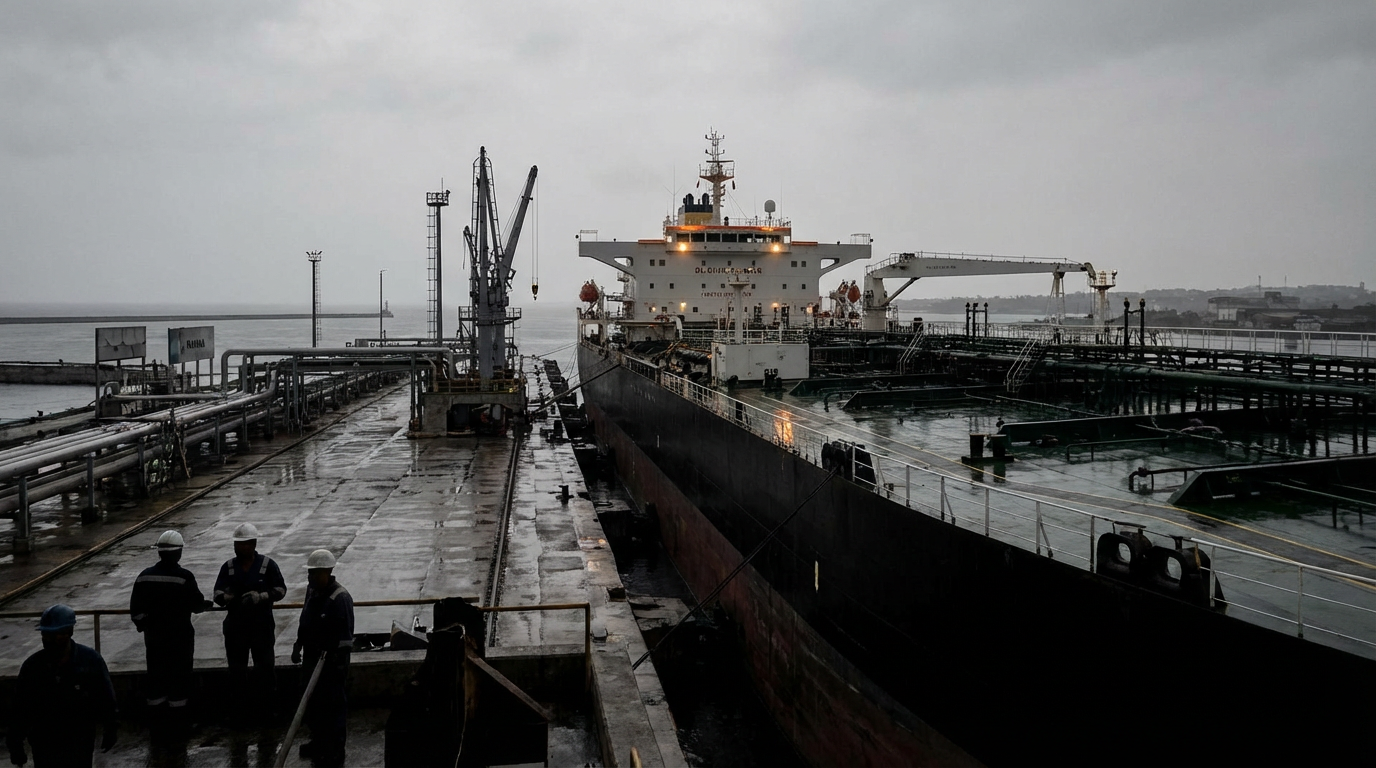
This declaration comes after Russia dispatched a significant shipment of oil to Cuba in March. The delivery of approximately 650,000 barrels was a crucial intervention for the island, which has been grappling with widespread fuel shortages and power blackouts. Ryabkov confirmed that future aid would extend beyond this initial delivery, signaling a more structured and long-term support mechanism.
A Challenge to U.S. Regional Policy
During a news conference on April 10, Ryabkov emphasized that Russia would not abandon its strategic interests in the Western Hemisphere, regardless of opposition from the United States. This statement directly frames the renewed partnership with Cuba as a countermeasure to American influence and its long-standing economic embargo against Havana.
Moscow attributes Cuba's profound economic difficulties, particularly its energy deficit, to the decades-old U.S. sanctions. By stepping in with critical aid, Russia is not only providing an economic lifeline but also openly challenging the effectiveness and legitimacy of Washington's policy in the Caribbean.
The statements reaffirm a historical alliance that dates back to the Cold War. The renewed cooperation signals a strategic decision by Moscow to deepen ties with its allies in Latin America, creating diplomatic and economic leverage in a region historically dominated by the U.S.
Implications for a Struggling Cuban Economy
For Cuba, the Russian pledge offers a potential buffer against its worst economic downturn in decades. Persistent fuel scarcity has paralyzed transportation, crippled agriculture, and forced citizens to endure daily power outages lasting several hours, severely impacting daily life and industrial output.
The strengthened Russia-Cuba relations provide Havana with a vital alternative source of energy and economic support. The arrangement allows the Cuban government to address immediate domestic crises while reinforcing its geopolitical alignment with Moscow.
As this partnership evolves, it is expected to become a more significant factor in regional geopolitics. The extent and consistency of Russian assistance will be closely monitored as an indicator of Moscow's commitment and a potential point of friction in its already strained relationship with the United States.