Russia claims Kharkiv and Sumy strikes with guided bombs
Moscow said the strikes used Kh-39 LMUR missiles and FAB-500 bombs; Kyiv has not verified the targets or casualties.
Mateo Fernandez ·
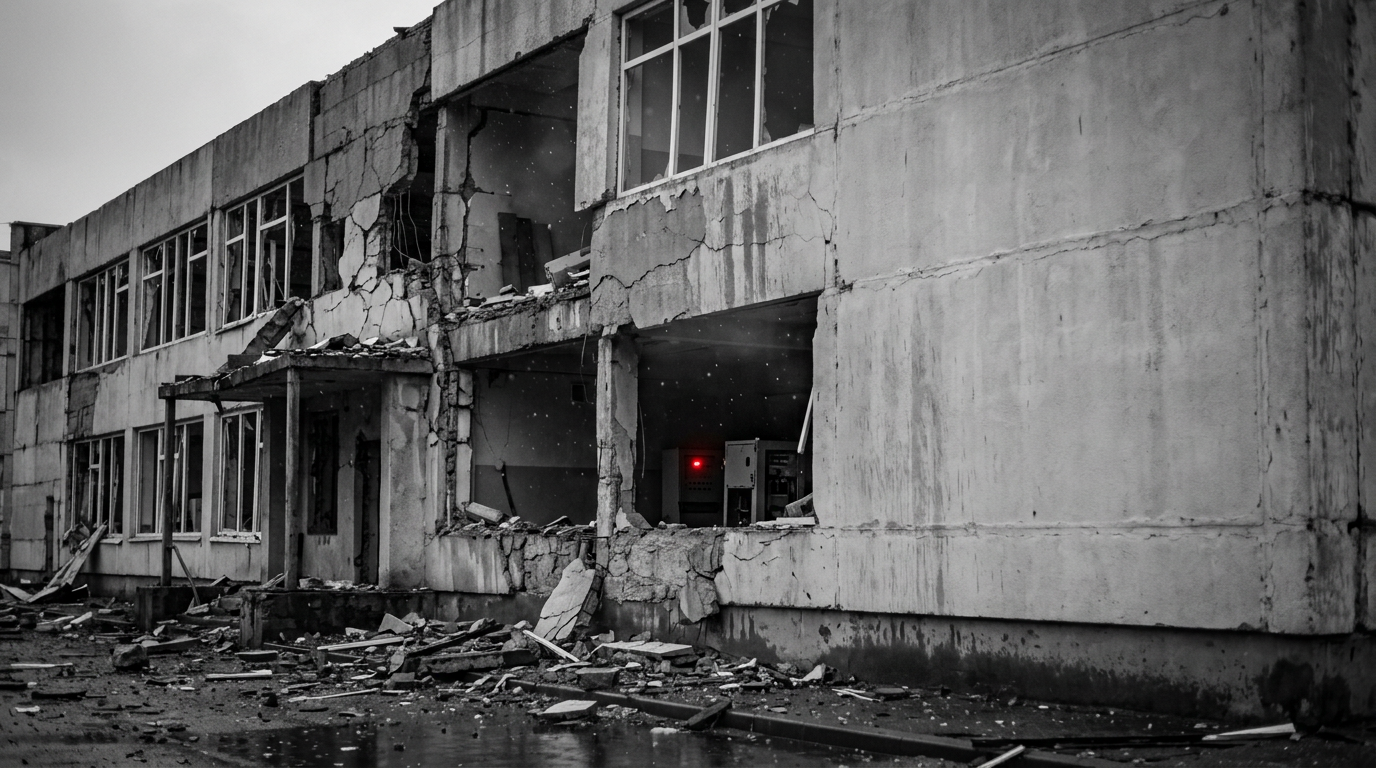
Russia's Defense Ministry said on September 14, 2026, that its forces struck temporary Ukrainian military deployment sites in the Kharkiv and Sumy regions using Kh-39 LMUR missiles and FAB-500 guided bombs. Reaction pending. Moscow released footage it said showed the attacks, but it did not disclose the number of Ukrainian personnel allegedly present or provide confirmed casualty figures.
Kh-39 missiles and FAB-500 bombs
Officials said the Kh-39 LMUR missiles were used against smaller identified positions, while FAB-500 aerial bombs fitted with guidance-and-glide kits were used against larger structures, fortified sites and troop concentrations. The claim points to Russia's continued use of standoff air-launched weapons against targets behind Ukraine's front line, where verification is often limited by access and operational security.
Kyiv has not independently verified that the locations shown contained troops. The precise timing and coordinates of the attacks also remain unclear, leaving the military effect and any battlefield loss unconfirmed.
The geopolitical channel is escalation risk rather than an observed market repricing. If Russian strikes on rear-area positions intensify, Ukraine may shift more air defenses toward Kharkiv and Sumy, reducing coverage elsewhere; if the footage cannot be verified, the episode remains an information-war claim with limited independent military value.
By September 15, 2026, the key check is whether Ukrainian officials identify the sites, confirm damage or casualties, or report follow-on strikes in the two northeastern regions. Any verified expansion of rear-line attacks would matter for allies weighing air-defense supply and for markets sensitive to Black Sea and European security risk.