Russian Forces Infiltrate Key Donetsk Fortress
Russian forces have built a major presence in Kostiantynivka as Kyiv reshuffles top defense roles and aerial bomb strikes intensify.
Atlas Newsdesk ·
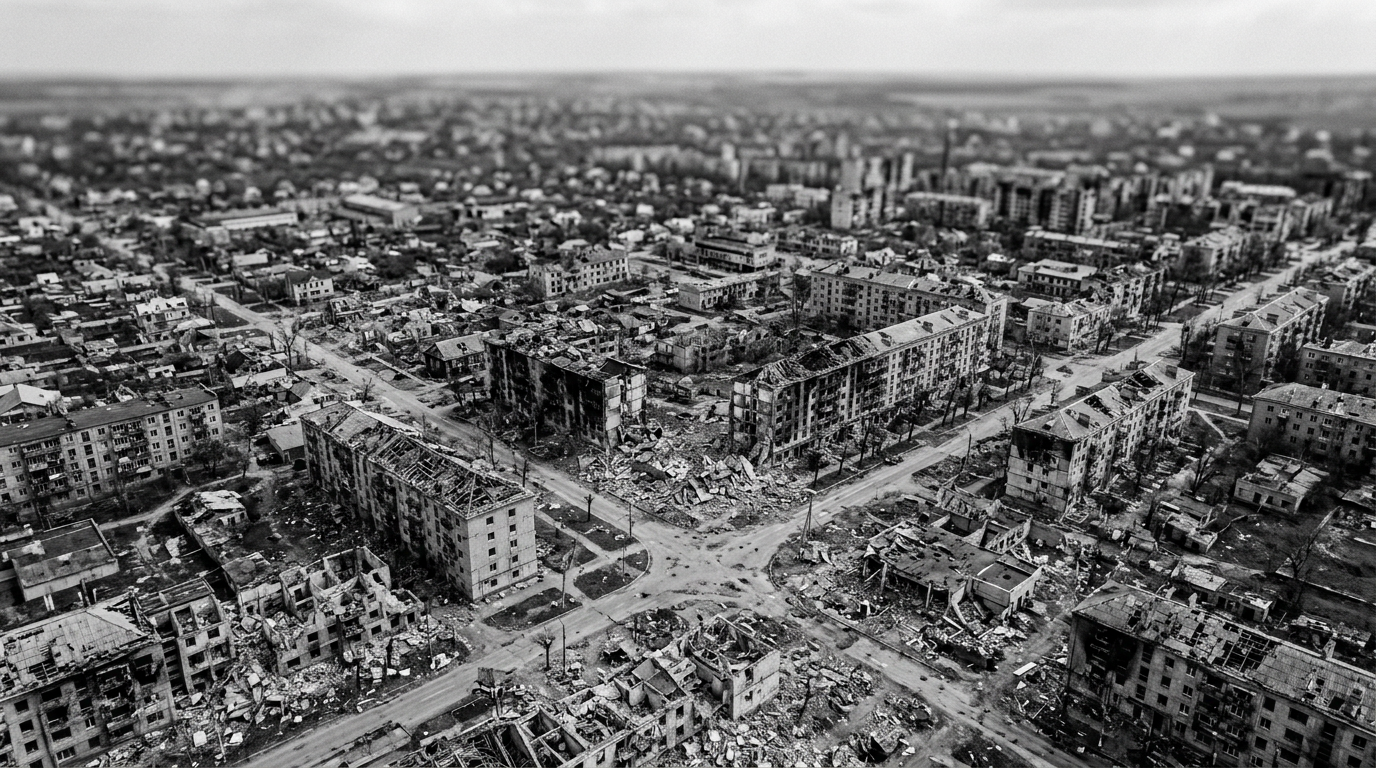
Russian forces have established what front-line accounts describe as a significant presence inside Kostiantynivka, a heavily defended city in Ukraine’s Donetsk region, at a moment when Kyiv is reworking its senior military and defense leadership.
The reported battlefield shift follows the late July 2026 removal of Defense Minister Mykhailo Fedorov and Commander-in-Chief Oleksandr Syrskii, a change that coincides with Russian units pressing to isolate Kostiantynivka from surrounding Ukrainian positions.
How the battlefield pressure is being applied
Front-line reporting says Russian troops are using heavy aerial ordnance to bypass fortified lines rather than attempting only direct assaults into prepared defenses. Officials and commanders on the Ukrainian side describe the fight as ongoing urban combat, indicating that control is contested within the city.
The stated mechanism of the advance relies heavily on KAB aerial bombs. Daily use is described as frequently exceeding 200 bombs, a pace that Ukrainian commanders say they cannot effectively counter from the air, leaving ground units exposed to repeated strikes.
KAB bomb use and infiltration dynamics
According to the reports, the sustained bombardment has weakened Ukrainian defensive cohesion. That erosion is described as creating openings for Russian infiltrators to move deeper and broaden their footprint inside Kostiantynivka.
The same accounts estimate that Russian presence has expanded from about 37% of the city earlier this summer to a majority presence now. The situation is portrayed as fluid, with commanders citing continuous close-quarters fighting while acknowledging a persistent vulnerability to air-delivered munitions.
Leadership changes and wider force-generation signals
The reported intensification around Kostiantynivka is unfolding as both sides adjust personnel and resources. The broader outlook is described as volatile, with battlefield planning complicated by leadership turnover and constraints in manpower and materiel.
Ukraine intelligence claims on possible Russian mobilization
Ukrainian intelligence assesses that Russia may be preparing an expanded mobilization of 300,000 to 500,000 troops after September parliamentary elections. The same assessment also raises the possibility of integrating North Korean personnel, though no operational details are provided in the reports.
At the same time, the material says Russian territorial gains have slowed sharply compared with early 2025. Current operations are characterized as costly, with high attrition rates and growing reliance on drone-based disruption tactics rather than rapid ground advances.
With fighting continuing inside Kostiantynivka and the ability to blunt air strikes cited as a key weakness, the near-term trajectory remains uncertain as both militaries recalibrate under shifting leadership and force-generation pressures.