Trump's Pickaxe Mountain threat puts Pentagon on Iran escalation watch
President Trump’s threat against Iran’s Pickaxe Mountain site is a major security test. Can the U.S. preserve credibility without a wider conflict?
Lauren Collins ·
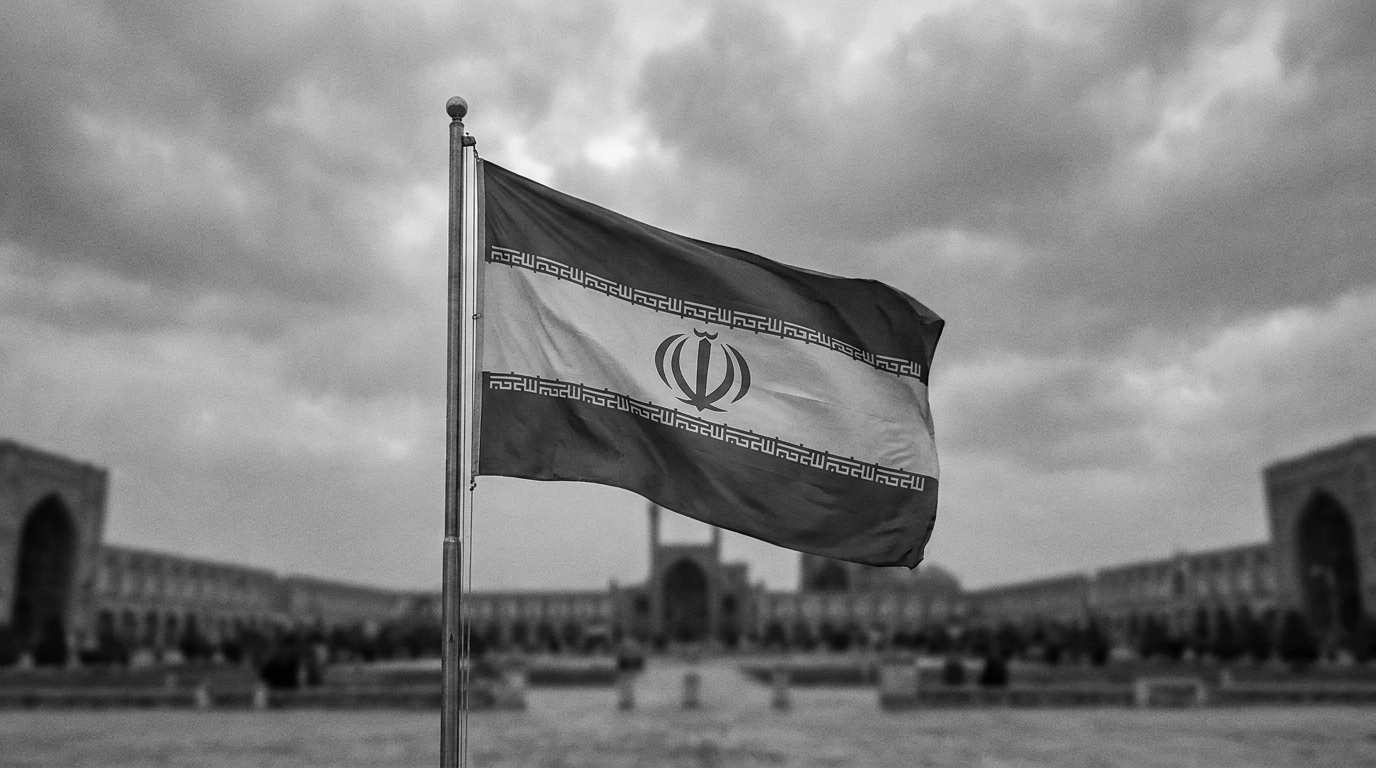
President Trump pushed Washington closer to an Iran crisis this week by saying the United States could soon strike an underground complex near Natanz that he suggested may contain uranium centrifuges. Speaking to reporters at the White House on Tuesday, Trump said, "We'll be hitting that area very probably pretty soon. And there's not a thing they can do about it."
The remark matters because it moved Pickaxe Mountain from the world of intelligence assessments and contingency planning into public presidential signaling. Iran has threatened to "expand" the war if the United States targets nuclear facilities, setting up a test of whether the White House can sustain pressure on Tehran without forcing the Pentagon into a strike whose military, diplomatic and regional costs are still unclear.
Pickaxe Mountain is drawing attention because of where it sits and what it may represent. The complex is reported to be near Natanz, the Iranian nuclear site long associated with uranium enrichment, and Tehran has released almost no public information about the newer underground facility.
That silence is part of the problem for Washington.
If the site holds centrifuges, as Trump suggested it may, it would raise the stakes for U.S. and allied efforts to prevent Iran from expanding its enrichment capacity. If it does not, a public threat to bomb it could still harden Iranian decision-making and make diplomacy harder.
A Test of Credibility and Capability
The military issue is not simply whether the United States can hit a coordinate on a map. Deep underground facilities are built to survive conventional airstrikes, complicate bomb-damage assessment and force attackers to consider repeated strikes, specialized munitions or follow-on operations. Those requirements turn a single target into a campaign question, and that is where the Pentagon's operational caution can collide with the White House's preference for visible pressure.
Inside Washington, the decision chain would run through several power centers. The White House and National Security Council set the political objective; the Pentagon assesses whether a strike can achieve it; U.S. Central Command would weigh regional force protection; the State Department would manage allied warnings and diplomatic fallout; and Congress would press for briefings if the administration appeared to be moving from threat to action.
Trump's comment also puts the administration's Iran posture under a credibility test. A threat followed by no visible shift could invite Tehran to conclude that Washington is signaling for leverage rather than preparing to act. A threat followed by bomber movements, naval positioning or emergency briefings could instead convince Iran that a strike is nearing, raising the risk of pre-emption, retaliation or attacks by aligned forces in the region.
The Natanz connection makes the target politically explosive. Washington has historically treated Iranian enrichment infrastructure as different from ordinary military sites because attacks on nuclear facilities can carry wider environmental, legal and escalation risks. Iran's warning that it could "expand" the war if nuclear facilities are hit is meant to make that distinction central to U.S. planning.
Consequences and Key Signals
For the Pentagon, the first question is feasibility: whether the underground structure can be penetrated, whether intelligence confirms enrichment-related hardware inside, and whether a strike would produce durable damage rather than only a temporary delay. The second question is escalation management: whether U.S. forces in the Gulf, Iraq, Syria and surrounding waters would be prepared for Iranian retaliation or proxy attacks after a strike.
For the White House, the issue is narrower but politically heavier. Trump has framed the matter in absolute terms, saying Iran could do nothing to stop a U.S. hit.
If the administration later chooses covert sabotage, cyber action or renewed diplomatic pressure instead of a strike, it will need to explain why restraint is strategy rather than retreat.
The wider industry and security sector would feel the pressure quickly. Defense planners would look for signs of demand for deep-penetration weapons, missile defense, naval escorts and base protection. Energy markets would watch the Strait of Hormuz because any U.S.-Iran confrontation near nuclear sites can spill into shipping risk, even if neither side initially wants a regional energy shock.
The falsifiable signal is whether Washington moves from rhetoric to deployment by May 15, 2025. If B-2 bomber activity, naval movements near the Strait of Hormuz or classified congressional briefings point to imminent action, the global macro effect would likely come through oil-risk premiums and regional insurance costs; the direct effect on Iran would be a choice between absorbing a strike or retaliating; and the defense sector would shift toward missile defense, hard-target munitions and Gulf force protection.
If the administration instead pivots toward diplomacy, covert cyber containment or quiet allied pressure, that would suggest U.S. intelligence has not confirmed active enrichment-ready hardware at Pickaxe Mountain or that the Pentagon judges the escalation cost too high. The key open questions are whether centrifuges are actually at the site, whether U.S. weapons can reliably disable it, and whether Tehran's warning to "expand" the war is deterrent messaging or an operational plan.