Indian Rupee Nears Record Low Amid Geopolitical Tensions
The Indian rupee neared a record low against the U.S. dollar on Monday, driven by energy supply concerns and foreign capital outflows.
Atlas Newsdesk ·
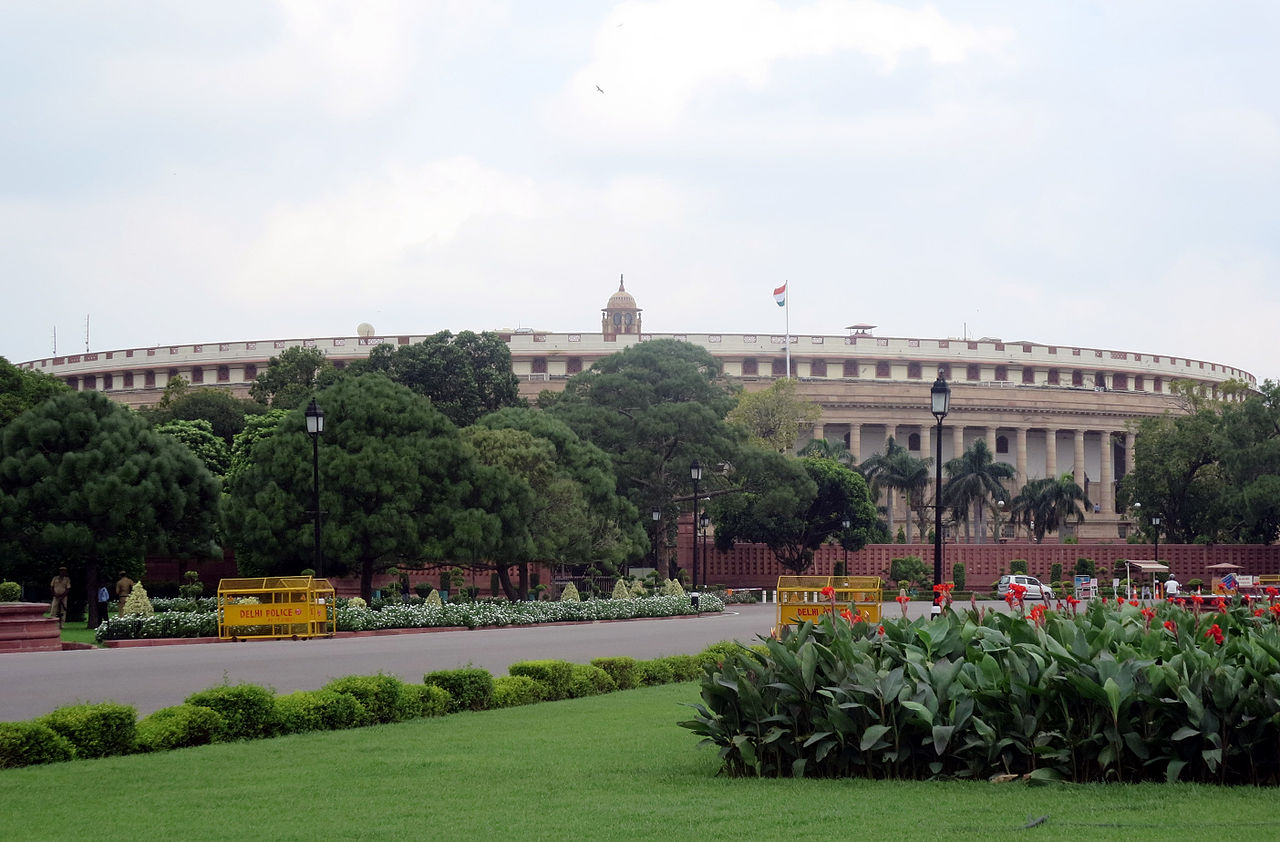
The Indian rupee approached its lowest historical valuation against the U.S. dollar on Monday, March 16, 2026, driven by market anxieties over energy supply disruptions. The currency traded at 92.4650 per dollar, just shy of its all-time low of 92.4750. This depreciation reflects broader concerns stemming from an ongoing conflict in Iran.
State-owned financial institutions reportedly intervened in the foreign exchange market, selling U.S. dollars. These actions are widely understood to be on behalf of the Reserve Bank of India (RBI), aiming to stabilize the rupee and prevent further declines. Such interventions have become a recurring feature of the RBI's strategy since the onset of the Iran conflict.
RBI Intervention and Market Dynamics
Analysts project that the RBI will continue its interventionist approach to buttress the rupee. However, persistent outflows of foreign investment and robust corporate demand for dollars are expected to maintain a challenging environment for the currency. These factors collectively contribute to the rupee's vulnerability in the current geopolitical climate.
Global Market Context
Geopolitical instability, particularly in key energy-producing regions, often triggers a flight to safety, benefiting currencies perceived as stable, such as the U.S. dollar. For emerging market currencies like the Indian rupee, this dynamic typically translates into depreciation, especially when coupled with domestic economic pressures and capital flight. The interplay between global risk aversion and local economic fundamentals will continue to shape the rupee's trajectory.
Economic Implications for India
Furthermore, foreign investor sentiment plays a crucial role in India's financial markets. Sustained outflows could impact equity valuations and the availability of capital for domestic investment. The RBI's challenge lies in balancing currency stability with maintaining adequate foreign exchange reserves and supporting economic growth in a volatile global environment.
Implications
Country Impact: India faces increased import costs, particularly for energy, potentially exacerbating inflation. Sustained foreign capital outflows could impact domestic investment and economic growth prospects.
Industry Impact: Energy-intensive industries and those reliant on imported raw materials will likely face higher operational costs. Export-oriented sectors might see some competitiveness gains, but overall economic uncertainty could dampen demand.
Market Impact: The Indian rupee is expected to remain under pressure, necessitating continued intervention from the RBI. Equity markets could experience further volatility due to foreign investor withdrawals, while the U.S. dollar benefits from safe-haven flows.