UK Government Funds British Steel Operations
The UK government spent £377 million over nine months to fund British Steel operations, preventing closure and job losses.
Atlas Newsdesk ·
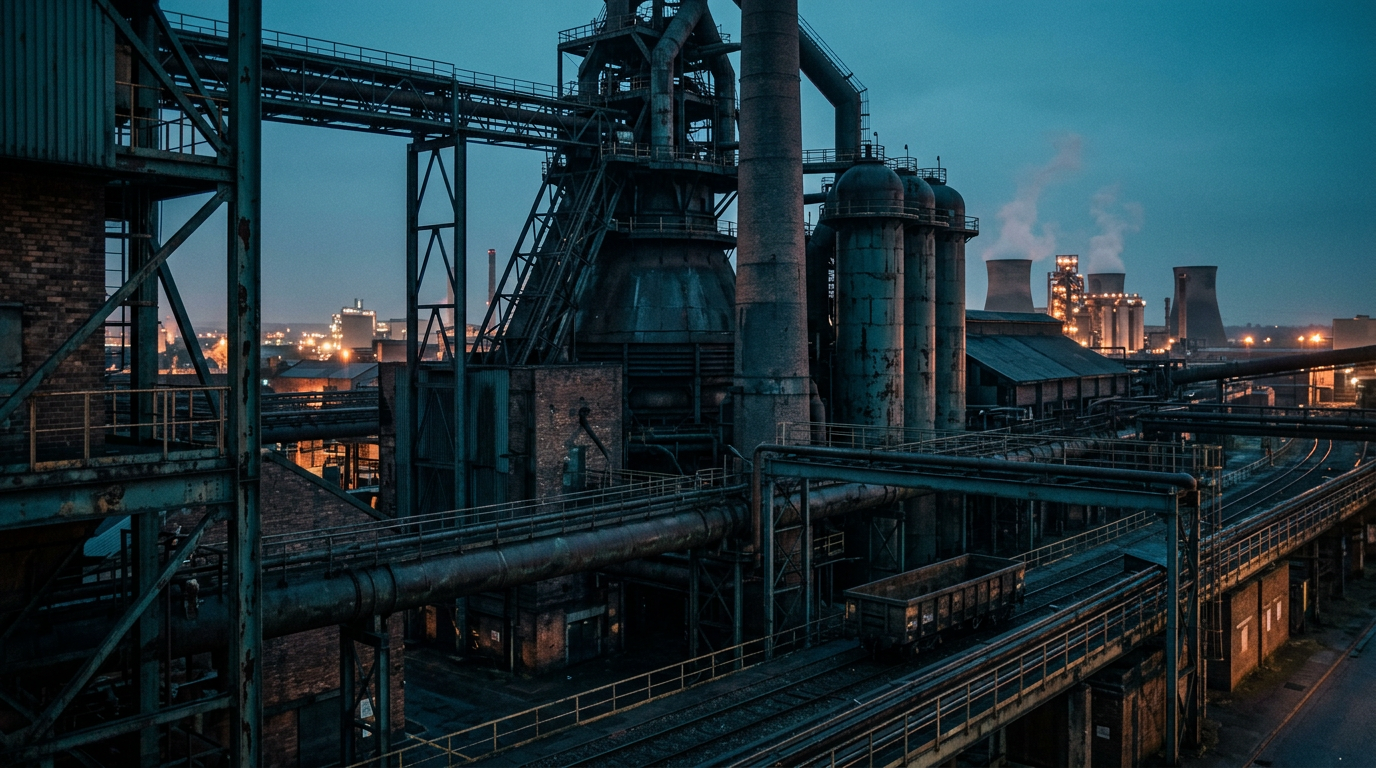
The UK government allocated £377 million over a nine-month period to sustain British Steel's operations at its Scunthorpe facility, a recent National Audit Office (NAO) report confirmed. This financial intervention, initiated in April 2025, was designed to prevent the shutdown of the nation's remaining two blast furnaces and mitigate substantial job losses within the steel sector.
The Department for Business and Trade (DBT) is presently incurring daily expenses of approximately £1.3 million to keep the plant operational. This ongoing expenditure lacks a defined budget, a repayment schedule, or a specified end date for the government's financial support.
Government Intervention Details
Jingye, the owner of British Steel, had previously announced daily losses of £700,000 in March 2025. These losses were attributed to challenging market conditions, various tariffs, and rising environmental compliance costs. In response, the government enacted emergency legislation, empowering the DBT to direct British Steel to continue its production activities.
The £377 million expenditure detailed by the NAO included £15 million designated for advisory services, £359 million covering operational costs such as raw materials and employee salaries, and an additional £3 million for legal and other associated expenses. While this funding is formally classified as a loan, the NAO report highlights the absence of a repayment plan and uncertainty regarding British Steel's capacity to repay the funds.
Financial Projections and Broader Context
Projections indicate that the total government spending could escalate to £615 million by June and potentially surpass £1.5 billion by 2028 if the current rate of expenditure continues. The government's swift action involved mobilizing a dedicated team and securing essential raw materials to avert the site's closure. This intervention was critical to prevent disruptions across the supply chain, impacting key customers such as Network Rail.
The broader context of this intervention underscores the strategic importance of the steel industry to the UK economy and national infrastructure. Maintaining domestic steel production capacity is often viewed through the lens of national security, industrial resilience, and regional employment, particularly in areas heavily reliant on heavy industry.
The government's decision reflects a commitment to these objectives, despite the significant financial outlay and the lack of a clear exit strategy for the public funds involved.
Economic and Political Implications
The ongoing financial support for British Steel highlights the challenges faced by traditional heavy industries in developed economies. These challenges include global competition, fluctuating commodity prices, and increasing environmental regulations. The government's intervention, while preventing immediate job losses, raises questions about long-term industrial strategy and the sustainability of state aid for private enterprises.
The lack of a repayment schedule for the classified loan also presents a fiscal risk, potentially converting public funds into a direct subsidy without clear returns.
This situation also has political implications, as the government balances economic stability and employment against fiscal prudence. The transparency and accountability of such large-scale financial commitments are likely to remain subjects of parliamentary and public scrutiny, especially given the open-ended nature of the current funding arrangement.
Implications
Country Impact: The UK government's intervention highlights a strategic commitment to maintaining domestic heavy industry and employment, particularly in regions dependent on steel production. However, it also raises concerns about fiscal sustainability and the long-term viability of state support for private enterprises without clear repayment terms.
Industry Impact: The steel industry faces significant global challenges, including intense competition and rising operational costs. Government support for British Steel underscores the sector's strategic importance but also points to underlying structural issues that may require broader industrial policy solutions beyond direct financial aid.
Market Impact: The ongoing government funding for British Steel could influence market dynamics by artificially sustaining production capacity. The lack of a defined repayment schedule for the 'loan' introduces uncertainty for investors and taxpayers regarding the ultimate financial burden and the potential for market distortion.