HMS Dragon Deploys to Eastern Mediterranean
HMS Dragon deployed to the eastern Mediterranean on March 10, following a drone attack on RAF Akrotiri, highlighting heightened regional tensions.
Lauren Collins ·
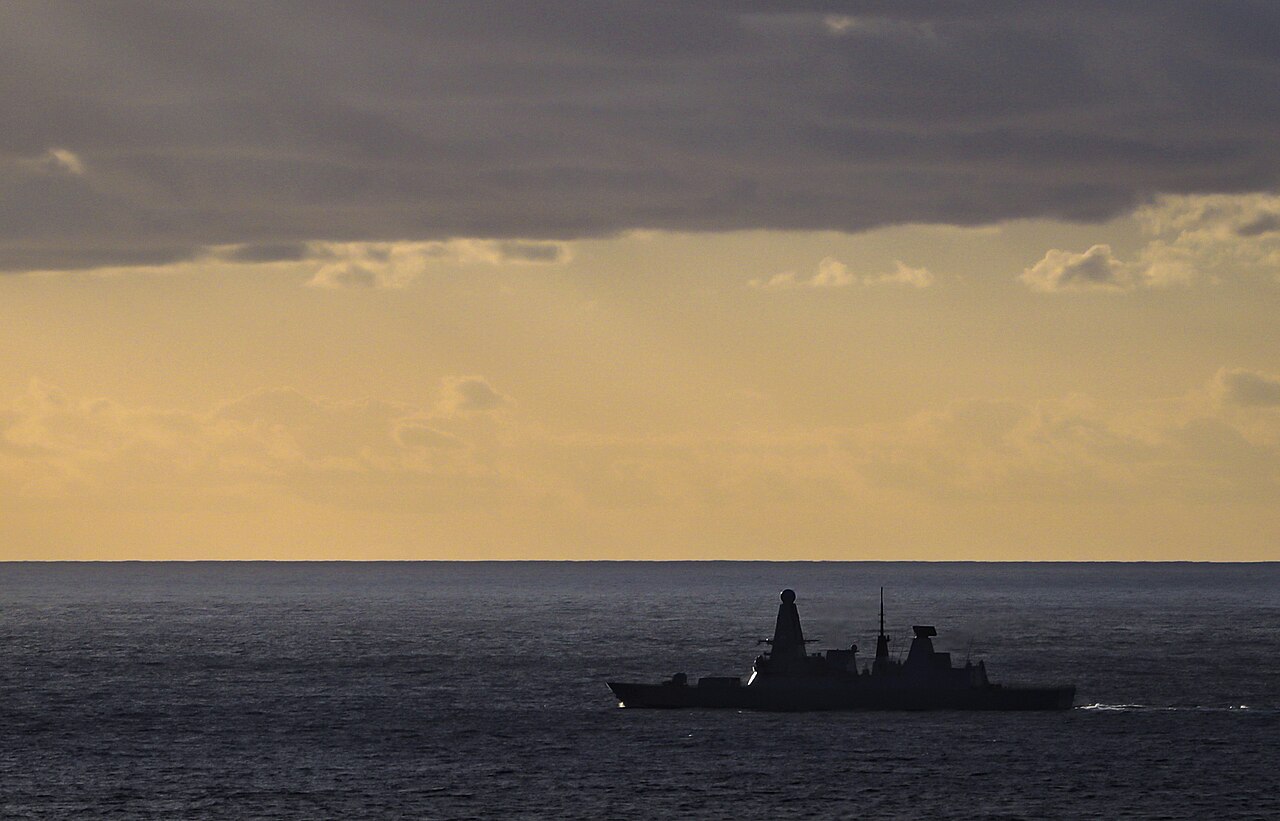
The Royal Navy's Type 45 destroyer, HMS Dragon, commenced its deployment to the eastern Mediterranean on Tuesday, March 10. This rapid deployment follows a drone attack targeting the RAF Akrotiri airbase in Cyprus, underscoring heightened regional tensions.
The warship, known for its advanced air defense systems, including capabilities against drones and ballistic missiles, was prepared for its mission in an accelerated timeframe. Naval personnel completed six weeks of readiness procedures in just six days to facilitate the urgent deployment.
Strategic Deployment Details
The decision to dispatch HMS Dragon was finalized approximately 36 hours after the drone incident at RAF Akrotiri. This swift response highlights the strategic importance placed on naval presence in the eastern Mediterranean, a region experiencing increased geopolitical volatility.
RAF Akrotiri, a British sovereign base in Cyprus, serves as a critical operational hub for UK military activities in the Middle East. The drone attack on this facility prompted an immediate review of regional security postures.
Regional Geopolitical Context
This deployment is situated within a broader context of escalating tensions across the Middle East. Recent events include a joint U.S.-Israel military action against Iranian targets, which was subsequently met with Iranian retaliatory strikes across ten countries.
The eastern Mediterranean is a crucial maritime corridor, vital for international trade and energy routes. The presence of advanced naval assets like HMS Dragon contributes to regional stability and deterrence capabilities amidst these complex geopolitical dynamics.
Naval Capabilities and Preparedness
HMS Dragon, a Type 45 destroyer, is equipped with the Sea Viper missile system, designed to defend against sophisticated air threats. Its rapid readiness for deployment demonstrates the Royal Navy's capacity for agile response to emergent security challenges.
The compressed preparation schedule involved intensive logistical and operational efforts to ensure the vessel and its crew were fully mission-ready. Such expedited deployments are typically reserved for situations demanding immediate military presence.
International Cooperation and Security
The UK's increased naval presence in the eastern Mediterranean aligns with broader international efforts to monitor and manage regional security. Cooperation with allied forces in the area is often a component of such deployments, aiming to enhance collective defense and intelligence sharing.
This move by the Royal Navy signals a commitment to protecting strategic interests and supporting allies in a volatile operational environment. The deployment underscores the ongoing need for robust naval power projection in key global regions.
Implications
Country Impact: The UK's rapid deployment of HMS Dragon reinforces its commitment to regional security in the eastern Mediterranean, particularly concerning its sovereign bases and allied interests. This action could influence future defense spending and strategic planning for rapid response capabilities.
Industry Impact: The defense industry may see increased demand for advanced air defense systems and rapid deployment logistics, as nations prioritize agile military responses to evolving threats. This could also impact naval shipbuilding and maintenance sectors.
Market Impact: Increased military presence in the eastern Mediterranean could introduce minor geopolitical risk premiums in energy markets due to the region's importance for oil and gas transit. Defense sector stocks might see positive sentiment, while broader market reactions are likely to be contained unless tensions escalate significantly.