IEA Emergency Meeting Addresses Oil Supply Security
The IEA held an emergency meeting on March 10, 2026, to address global oil supply security amid rising prices due to the US-Israel conflict with Iran.
Lauren Collins ·
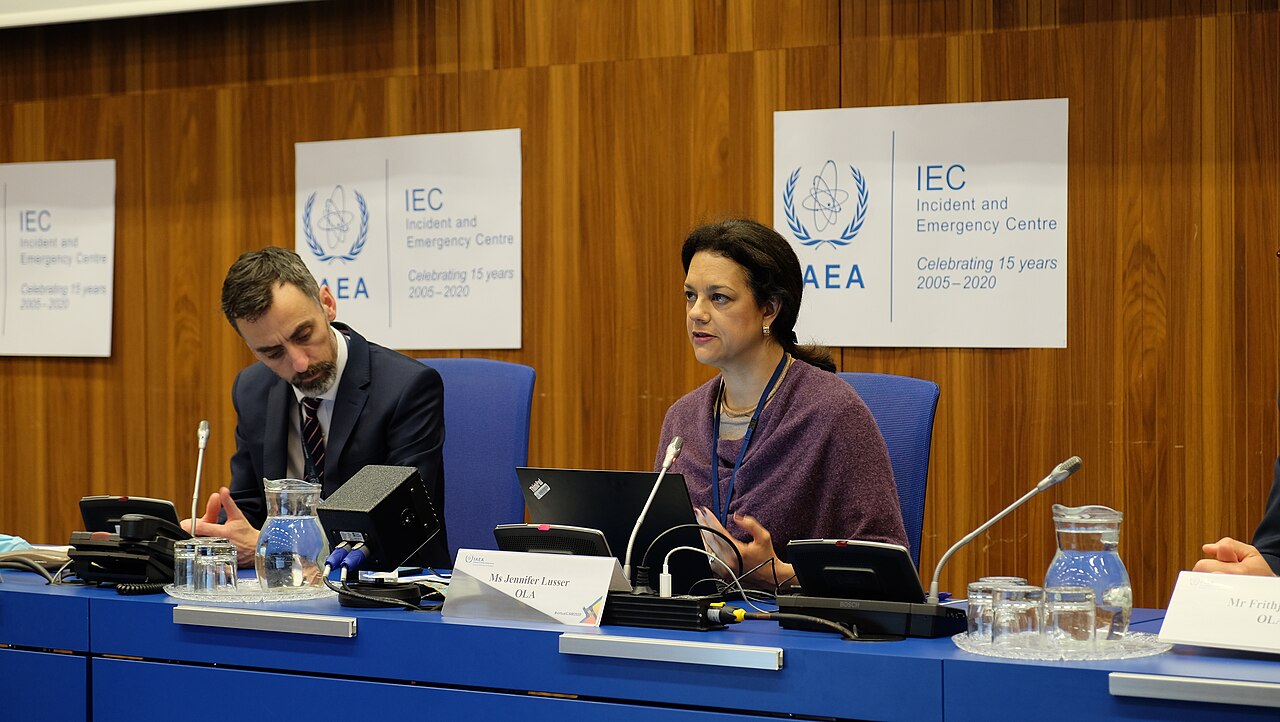
The International Energy Agency (IEA) convened an urgent meeting of its member nations on Tuesday, March 10, 2026, to evaluate the stability of global oil supplies and prevailing market conditions. This gathering was prompted by a significant surge in crude oil prices, which have reached their highest point since mid-2022. The primary driver for this escalation is the escalating US-Israel conflict with Iran, raising concerns about disruptions to key shipping lanes and oil production.
Fatih Birol, the IEA's executive director, indicated that discussions during the meeting would inform a potential decision regarding the release of emergency oil reserves. A critical factor contributing to market volatility is the effective closure of the Strait of Hormuz, a vital maritime choke point through which approximately one-fifth of the world's oil supply transits. This closure has intensified fears of supply shortages.
Global Market Volatility and Geopolitical Tensions
Despite a slight dip in benchmark oil prices below $90 per barrel on Monday, significant uncertainty persists regarding the conflict's duration and its broader economic ramifications. The IEA meeting follows prior consultations among Group of Seven (G7) nations concerning strategies to stabilize the international oil market. European governments, still acutely aware of the energy crisis experienced in 2022, are particularly apprehensive about the current situation.
G7 Calls for Stock Release Evaluation
Prior to the IEA's emergency session, G7 energy ministers had formally requested the agency to analyze various scenarios for a coordinated release of strategic oil stocks. French Finance Minister Roland Lescure confirmed that several nations, including the United States, are prepared to implement measures aimed at stabilizing the volatile energy market. This coordinated approach underscores the international community's concern over potential economic fallout from prolonged supply disruptions.
Historical Context of Strategic Reserves
The concept of strategic petroleum reserves emerged following the 1973 oil crisis, designed to provide a buffer against sudden supply shocks. The IEA, established in 1974, plays a central role in coordinating these reserves among its 31 member countries. Past releases, such as those in 1991 during the Gulf War, in 2011 during the Libyan civil war, and in 2022 following Russia's invasion of Ukraine, demonstrate the mechanism's utility in mitigating price spikes and ensuring energy security.
The current situation presents a similar challenge, requiring a careful assessment of global demand, existing inventories, and the potential impact of a release on market psychology.
Potential Economic and Political Implications
An IEA-coordinated release of oil stocks could temporarily alleviate price pressures, offering relief to consumers and industries reliant on stable energy costs. However, the long-term effectiveness hinges on the resolution of the underlying geopolitical tensions. Sustained disruptions in the Strait of Hormuz could necessitate more drastic and prolonged interventions, potentially straining global reserves and impacting economic growth forecasts worldwide.
The political implications are also significant, as major oil-consuming nations seek to balance energy security with diplomatic efforts to de-escalate regional conflicts.
Implications
Country Impact: The US-Israel conflict with Iran is directly impacting global energy security, particularly for European nations still recovering from the 2022 energy crisis. Major economies like the United States are prepared to intervene to stabilize markets.
Industry Impact: The oil and shipping industries face significant disruptions and increased costs due to the closure of the Strait of Hormuz. This could lead to higher operational expenses and potential supply chain bottlenecks across various sectors.
Market Impact: Global oil markets are experiencing high volatility, with prices reaching levels not seen since mid-2022. A potential release of strategic oil reserves by IEA members aims to mitigate price spikes and stabilize the market, but long-term stability depends on geopolitical de-escalation.