Romania shuts Cernavoda reactor as Danube hits lows
Romania shuts Cernavoda reactor after record-low Danube levels cut cooling water, curbing Moldova supply and tightening regional power margins.
Mateo Fernandez ·
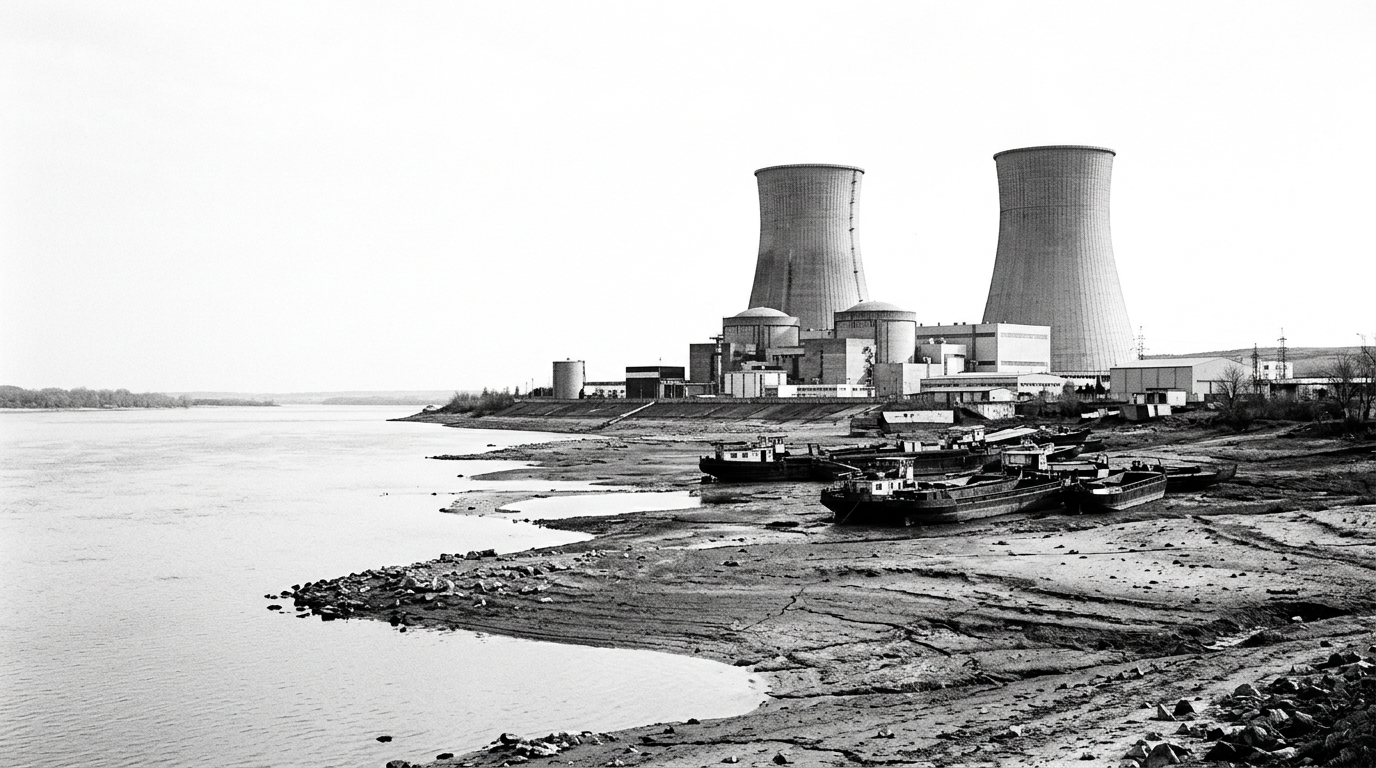
Romania has taken its last operating nuclear reactor at Cernavoda offline after the Danube fell to record lows, officials said. They linked the move to reduced river flows that cut the availability of water used for cooling at the plant.
Officials said the unit was removed from service so operators could carry out safety checks under the constrained cooling conditions. The outage comes after a summer heatwave and a prolonged drought that have pushed down river levels across the Danube basin, adding pressure to power systems that rely on river water for generation and cooling.
Cooling constraints spread across the Danube basin Data Cooling constraints spread across the Danube basin Data showed that low water levels are also Data showed that low water levels are also constraining hydropower output across parts of Central and Southeastern Europe. Officials said the same weather and hydrological conditions are complicating cooling needs for other thermal power plants in the region. Energy markets have been monitoring the situation for signs of tighter supply, officials and market participants said, as generation options narrow during continued low river conditions. Operators said planning is focusing on reserves and the ability to sustain supply if water levels remain depressed. Moldova supply disrupted as flows are reworked The shutdown has reduced electricity supplies to Moldova and tightened regional energy margins as system operators adjust cross-border flows, officials said. They said Moldova depends on Romanian electricity to cover domestic shortfalls, making the loss of the Cernavoda unit a direct hit to cross-border supply. Officials said regional wholesale flows to Moldova were halted and operators moved to reallocate available capacity. System operators curtailed exports and asked thermal generators to increase output to compensate for gaps created by the change in bilateral flows, officials added.
Baseload loss raises dependence on gas and imports
Officials said taking the reactor offline reduces baseload generation, increasing reliance on gas-fired power plants and imported electricity. They added that this shift could lift wholesale prices and add strain to regional gas networks as more generation is pushed onto thermal units. Data indicating weaker hydropower output adds another constraint Data indicating weaker hydropower output adds another constraint at a time when higher temperatures can also increase electricity demand. Market participants and system operators said they are watching whether the outage leads to further pressure on regional balances.
August 20 set for reassessment of next steps
Officials said that if the Danube does not recover by August 20, Moldova could need emergency power measures or rationing in the week of August 24. Market participants and system operators said they will reassess cross-border flows and reserve plans around that date.
For now, officials said the outage is being treated as a safety-driven operational response to record-low river flows. Regional grids are managing a tighter margin while monitoring weather and hydrological conditions, with uncertainty centered on how quickly the Danube’s levels and flows can improve.