Romania cabinet bid faces uncertain vote after lineup
Romania cabinet nominee Adrian Vestea presented a 20-member team and sought a fast confidence vote, but major parties signaled they will not support him.
Atlas Newsdesk ·
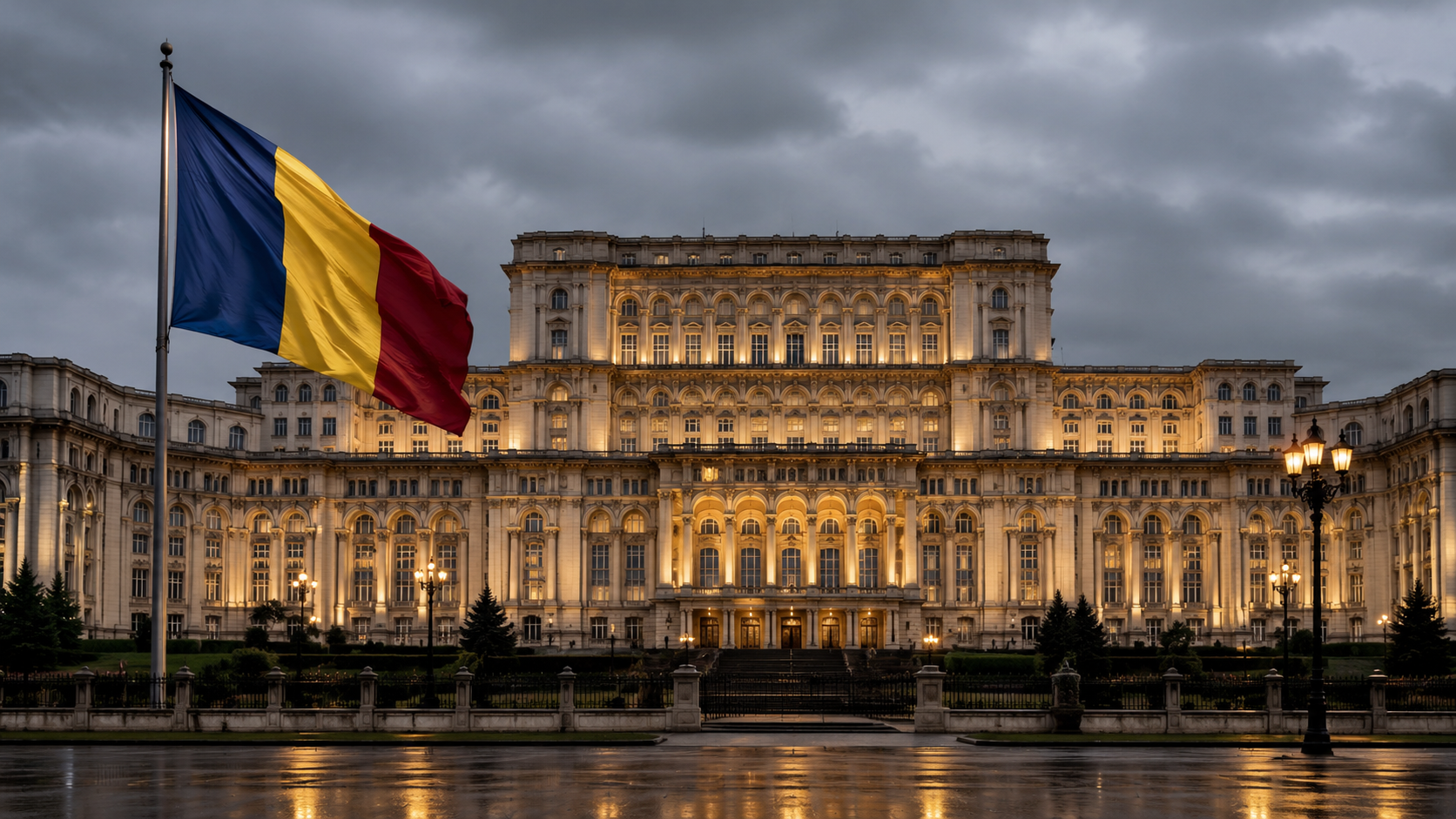
Romania cabinet talks entered a decisive phase after prime minister-designate Adrian Vestea submitted his governing program and minister list to parliament, seeking an expedited confidence vote.
The move follows public backing from the Social Democrats, Romania’s largest party, yet the vote math remains unclear in a fragmented legislature where several key groups have withheld support.
Confidence vote uncertain as parties split
Vestea, 52, presented a 20-member cabinet lineup on Sunday and said he wants the legislature to move quickly with ministerial hearings and the final vote.
Only the Social Democrats have formally agreed to join the proposed government so far. Three of the four pro-European parties that previously governed together, including Vestea’s own Liberal Party, have said they will not back him.
The main far-right party also signaled it would withhold support, complicating efforts to assemble a reliable majority. Without a broader coalition, a confidence vote could hinge on unpredictable, issue-by-issue backing or last-minute deals.
Fiscal constraints and EU deadlines raise stakes
Vestea indicated continuity at the finance ministry, keeping Alexandru Nazare in the post. The nomination points to an emphasis on budget discipline as Romania tries to reduce one of the European Union’s widest deficits.
Fiscal management will be closely watched by investors and EU partners, particularly if political uncertainty delays policy decisions. A prolonged stalemate could disrupt budget planning and weaken the government’s ability to enforce spending limits.
Beyond the budget, the incoming cabinet would immediately face a time-sensitive European funding challenge. Romania must pass legislative reforms to unlock about €8 billion (around $9.2 billion) in EU recovery funding, with current arrangements expiring at the end of August.
That deadline intensifies pressure on lawmakers to form a working executive capable of delivering the required measures. Any delay risks losing access to funds meant to support investment and modernization.
Vestea urges fast timetable to end uncertainty
In a Sunday Facebook statement after filing his documents in parliament, Vestea argued the country needs a quick resolution to restore stability. He asked legislators to set a rapid calendar for minister hearings and the confidence vote.
Romania’s latest government-formation effort comes as party alliances shift and pro-European forces show internal divisions. The refusal of multiple former coalition partners to endorse the nominee underscores how difficult it has become to build durable governing majorities.
The next procedural step is parliamentary scrutiny of the proposed ministers, followed by the confidence vote that will decide whether Vestea can take office. If the lineup fails, parties would need to return to negotiations, risking further delays just as fiscal consolidation and EU reform deadlines converge.