D.C. mayoral race sees Bowser decline formal endorsement
Mayor Muriel Bowser is abstaining from endorsing a candidate in the historic, ranked-choice D.C. mayoral race as early voting begins.
Sophie McAlister ·
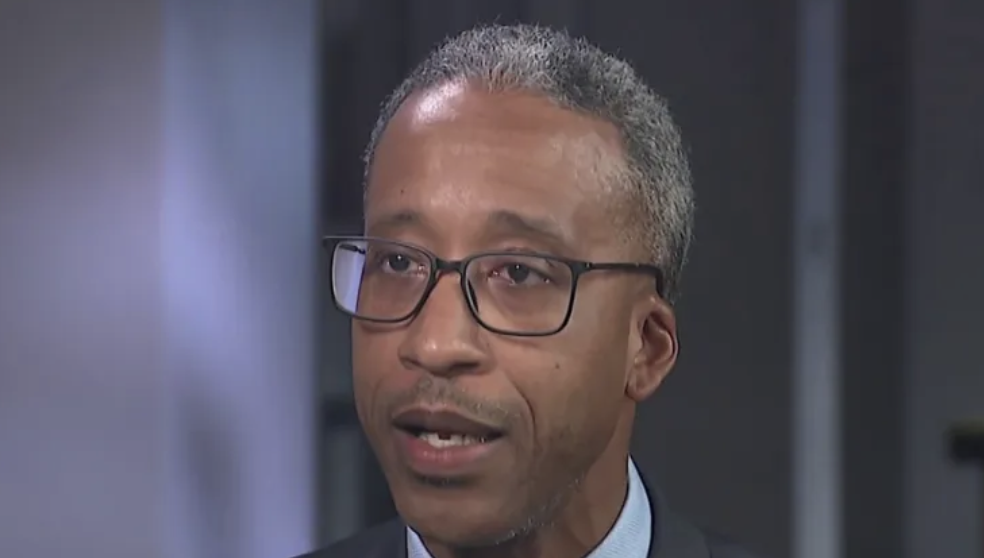
The D.C. mayoral race will proceed without an official endorsement from Mayor Muriel Bowser as she prepares to exit the District's political stage.
Speaking at a recent Axios AM Live civic forum, the outgoing leader clarified her position on the high-profile primary contest scheduled for June 16. While Bowser expressed personal appreciation for candidate Kenyan McDuffie, she emphasized that her decision to sit out of the formal endorsement process stems from her impending transition out of municipal government. The three-term mayor told reporters that she wishes to leave the choice of leadership entirely in the hands of District voters.
The Battle for Economic Dominance
The District's chief executive noted that the incoming administration will confront a cooling economic reality across the nation's capital. According to Bowser, municipal leaders must prioritize the cultivation of a far more favorable environment for private commerce to reverse local fiscal deceleration. She warned that the ongoing competition for employers with Northern Virginia demands that local leaders make the District more competitive with its tax rates.
This economic emphasis directly injects itself into the competitive dynamic between the frontrunners vying for the Democratic nomination. Candidate Kenyan McDuffie has anchored his platform on his alignment with the business community and local commercial interests. Conversely, Council member Janeese Lewis George has campaigned on a platform highlighting democratic socialist principles, urging aggressive public investment and social program expansion.
The divergent philosophies of the two candidates present a stark choice for voters as physical and mail-in ballots begin to accumulate. As of Monday, the District of Columbia Board of Elections has reported that nearly 25,000 residents have already submitted their ballots ahead of the June deadline. This early participation underscores the intense civic interest in an election that will shape the city's economic trajectory for years.
A Historic Democratic Primary
The upcoming June 16 primary represents a distinct milestone in District electoral history. For the first time, local voters will utilize a ranked-choice voting system to select their preferred candidates for municipal leadership. This structural shift has altered campaigning strategies, pushing candidates to appeal beyond their traditional ward strongholds.
From the commercial corridors of Downtown to residential blocks in Ward 4, voters are navigating how to rank their choices under the new guidelines. Political analysts suggest that the new system could reward candidates who build broader, less polarized coalitions among the electorate. The lack of an official endorsement from the incumbent mayor further decentralizes the traditional party apparatus in this altered environment.
Redefining the Southwest Waterfront
Beyond the philosophical divides, the next mayor will inherit several immediate, tangible challenges regarding urban planning. Mayor Bowser pointed toward Southwest D.C. as the critical frontier for local expansion and modernization efforts. The federal government's ongoing effort to offload outdated real estate assets in Southwest presents a unique chance to design and build a brand-new neighborhood from the ground up.
Successfully managing this transition will require careful balancing between generating municipal revenue and offering competitive corporate incentives. Bowser stressed that the District cannot afford to lose major employers to adjacent jurisdictions in Maryland and Virginia due to rigid tax policies. Overhauling existing fiscal structures and revitalizing federal lands will likely remain central debates as the candidates enter the home stretch of the campaign.