Republican says he lied about racist posts on porn site to protect Trump
Former NC Lt. Gov. Mark Robinson admitted lying about racist online posts during his 2024 campaign to protect Donald Trump's presidential bid.
Lauren Collins ·
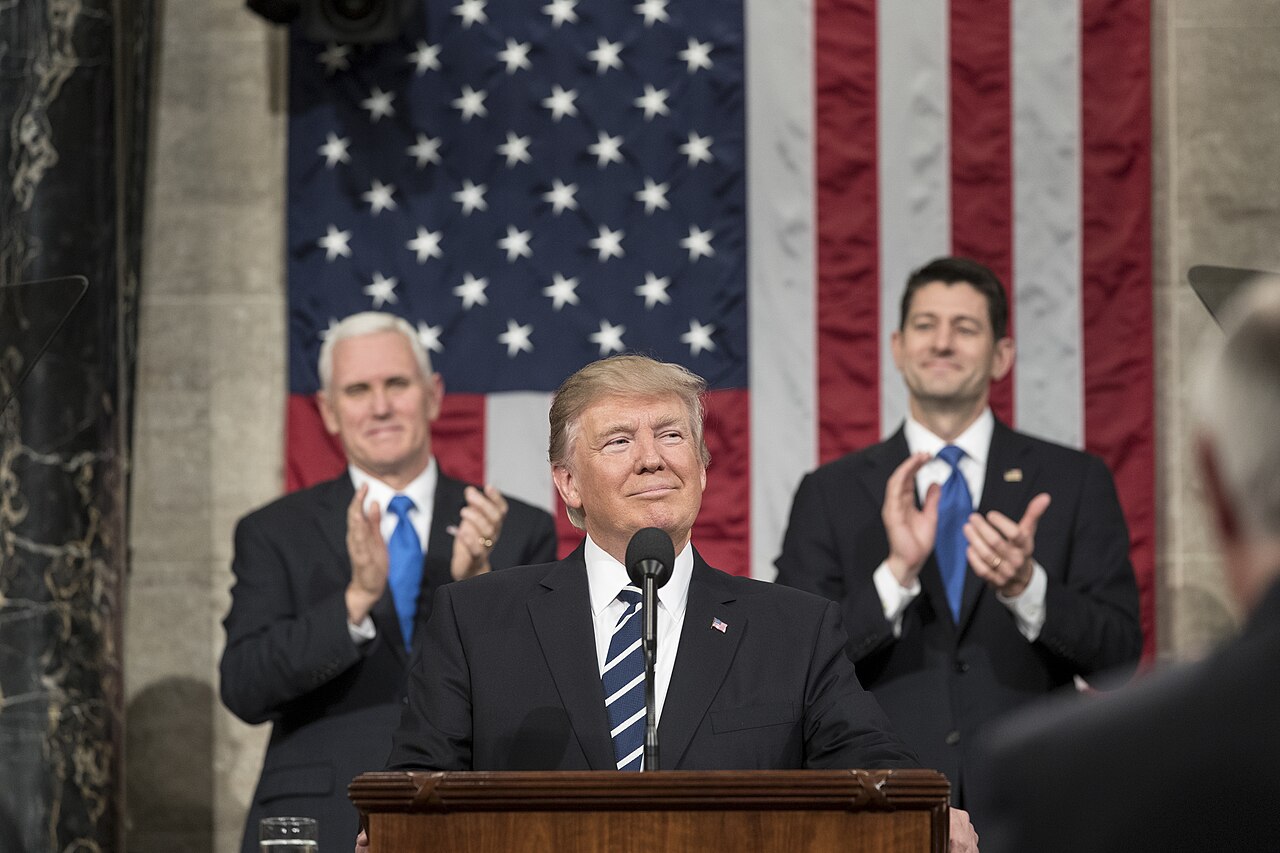
Former North Carolina Lieutenant Governor Mark Robinson, a Republican, recently disclosed that he intentionally misrepresented facts during his 2024 gubernatorial campaign. Robinson stated on the "After the Call" podcast that his denials regarding controversial online posts were made to safeguard Donald Trump's presidential campaign, which ultimately secured a second term in the 2024 election.
Campaign Controversy and Denials
The admission centers on comments Robinson made over a decade ago on an online forum, including a pornography website. Reports from September 2024 by CNN indicated that Robinson, using a pseudonym, had expressed support for slavery and used derogatory language when referring to Martin Luther King Jr. The Washington Post later reported that Robinson had also praised Adolf Hitler's "Mein Kampf" on the same platform.
Robinson initially denied authoring these controversial statements. His recent acknowledgment on the podcast clarifies that these denials were a deliberate strategy. He explained that the primary motivation was to prevent negative political fallout from affecting his allies, specifically mentioning Donald Trump's presidential bid.
Political Context and Election Outcome
During the 2024 election cycle, Robinson was the Republican candidate for North Carolina Governor. He ultimately lost the gubernatorial race to Democrat Josh Stein by a margin of 14 points in November 2024. The controversy surrounding his past online activity and subsequent denials became a significant point of contention during his campaign.
Robinson also acknowledged what he described as an "obsession" with pornography and sex. Despite the ethical implications of his misrepresentation, Robinson affirmed that he would make the same decision again if faced with a similar situation, prioritizing the protection of his political associates.
Implications for Political Discourse
This revelation highlights the strategic calculations sometimes employed in high-stakes political campaigns, particularly concerning candidate vulnerabilities and their potential impact on broader party objectives. The decision to prioritize political protection over factual disclosure raises questions about accountability and transparency in public office.
The incident underscores the ongoing challenges political figures face regarding their past online footprints and the management of public image. It also reflects the complex interplay between individual candidate controversies and their potential ripple effects on national political figures and campaigns. The 2024 election saw numerous instances where candidate backgrounds were scrutinized, influencing voter perception and campaign narratives.
Implications
Country Impact: The incident could further erode public trust in political figures and their statements, potentially influencing future campaign strategies regarding transparency and accountability. It also highlights the enduring impact of past online activity on political careers.
Industry Impact: For political consulting and campaign management, this case study illustrates the complex ethical dilemmas involved in managing candidate controversies, particularly when national political figures are involved. It may lead to increased scrutiny of candidate vetting processes.
Market Impact: While not directly impacting financial markets, such political disclosures can contribute to broader political uncertainty, which can indirectly influence investor sentiment, especially in sectors sensitive to regulatory or policy shifts.