Tony Romo Faces License Suspension After OWI Plea
Former NFL quarterback Tony Romo pleaded no contest to operating while intoxicated (OWI) in Wisconsin, leading to a six-month license suspension and fine.
Mehmet Şahinoğlu ·
Former National Football League quarterback and current sports commentator, Tony Romo, has entered a no-contest plea to a charge of operating while intoxicated (OWI) in Wisconsin. Court documents confirm this legal resolution, which stems from an incident where his blood-alcohol concentration (BAC) was found to be nearly double the state's legal limit.
During his arrest, Romo's BAC measured 0.15 percent. This figure significantly exceeded Wisconsin's legal threshold of 0.08 percent. The consequences of his plea include an $834 fine and a mandatory six-month suspension of his driving privileges within the state.
Legal Mandates and Rehabilitation
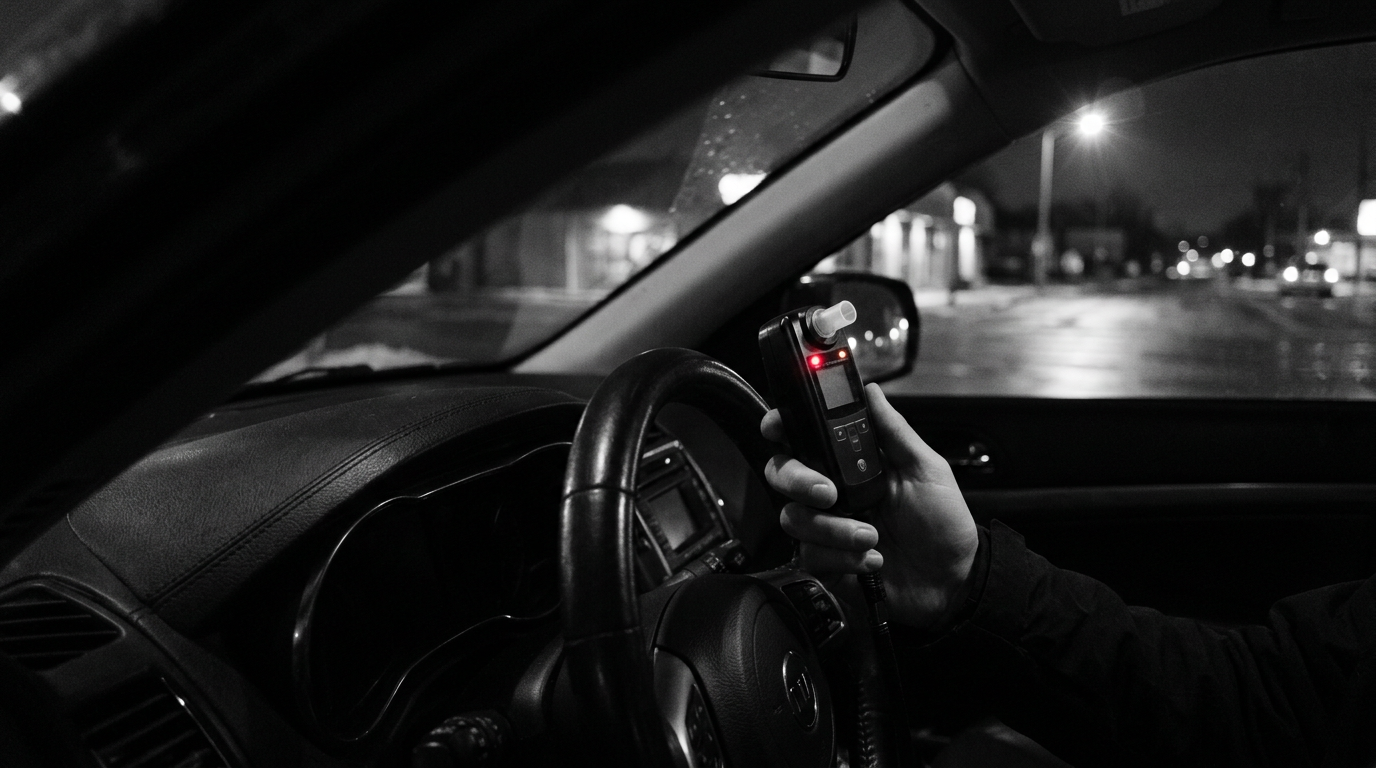
Beyond the financial penalty and license suspension, the court has imposed further requirements. Romo is mandated to complete a comprehensive alcohol assessment program. Additionally, he must install an ignition interlock device in his vehicle for a minimum duration of one year, a condition that will take effect once his driving privileges are reinstated.
The incident that led to these legal proceedings involved Romo's initial reluctance to submit to a breath test during his arrest. He eventually complied with law enforcement requests. Following his no-contest plea, Romo acknowledged what he described as an "over-reliance" on alcohol. He also conveyed his intention to continue his professional broadcasting responsibilities.
Broader Context of OWI Offenses
Operating while intoxicated (OWI) offenses, often referred to as DUI or DWI in other jurisdictions, carry significant legal and social repercussions. These laws are designed to deter impaired driving, which poses substantial risks to public safety. States typically enforce strict BAC limits, and consequences for violations can range from fines and license suspensions to jail time, depending on the severity and any prior offenses.
The resolution of this case concludes the immediate legal actions associated with the traffic violation for Romo. The administrative penalties, including the driving restrictions and required programs, are now in effect, underscoring the legal system's approach to such offenses. This case serves as a reminder of the consistent enforcement of impaired driving laws across the United States, irrespective of an individual's public profile.
Public Figures and Accountability
Public figures, including athletes and media personalities, often face heightened scrutiny when involved in legal issues. Romo's situation highlights that laws apply equally to all individuals, and public acknowledgment of personal struggles, such as an "over-reliance" on alcohol, can be part of the process of addressing legal and personal challenges. His commitment to continuing his broadcasting career while addressing these legal requirements reflects a common trajectory for individuals navigating such circumstances.
The enforcement of ignition interlock devices and alcohol assessment programs are standard components of OWI penalties in many states. These measures are aimed at preventing recidivism and promoting responsible behavior behind the wheel. The full impact of these measures on Romo's daily life and professional schedule will unfold in the coming months as he adheres to the court-ordered conditions.