Reliant on imported fuel, Pacific islands appeal for help as oil prices surge
Pacific island nations seek international aid as surging oil prices, driven by Middle East tensions, threaten their import-reliant economies.
Lauren Collins ·
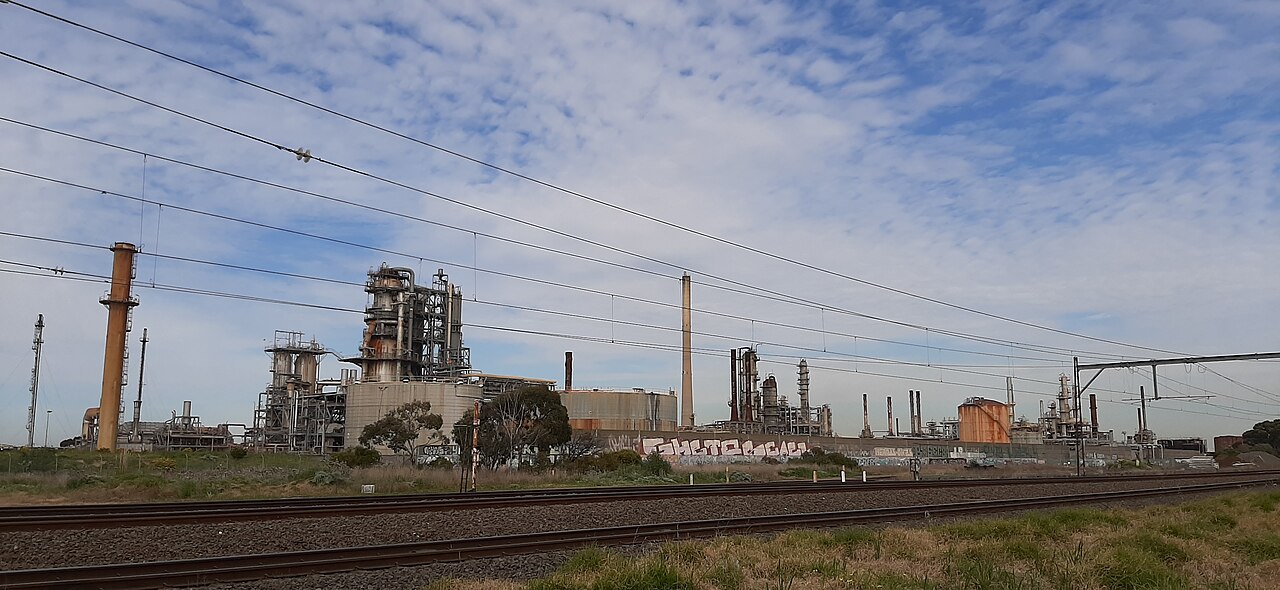
Pacific island nations are appealing for international assistance as global oil prices escalate, directly impacting their economies. This vulnerability stems from a near-total dependence on imported fuel, a situation exacerbated by recent geopolitical tensions in the Middle East. The rising costs threaten critical sectors like tourism and complicate the delivery of essential public services across the region.
Leaders from countries such as Samoa and Tonga have initiated calls for support from international partners. The current surge in oil prices, reaching approximately $110 per barrel, follows recent strikes on energy infrastructure in the Middle East, particularly involving Iran and Gulf states. This global market volatility disproportionately affects island economies due to their limited domestic energy production.
Economic Vulnerability and Energy Reliance
Many Pacific island states exhibit weak economic structures, characterized by limited purchasing power and significant reliance on remittances and foreign aid. This makes them highly susceptible to external price shocks. For example, Samoa generates about two-thirds of its energy from imported diesel fuel, while Tonga relies on imported diesel for 80% of its energy needs.
This heavy dependence translates directly into higher operational costs for businesses and governments. The tourism sector, a major economic contributor—accounting for 25% of Samoa's GDP and 11% in Tonga—faces increased expenses due to rising jet fuel prices. Furthermore, the logistical challenges of supplying remote islands with essential services are compounded by elevated fuel costs.
Regional Impact and Mitigation Efforts
Even nations with natural resource exports are affected. Papua New Guinea, a significant exporter of liquefied natural gas, still imports refined fuels, leading to domestic price hikes. Businesses in Papua New Guinea anticipate further price increases in the near future, reflecting the ongoing market instability.
In response, some nations are monitoring their fuel reserves. Fiji and the Solomon Islands have assured their populations of adequate current stocks, reporting reserves sufficient for 20 to 45 days. However, they have also issued warnings against panic buying, indicating underlying concerns about sustained supply and pricing. The situation is expected to persist as long as Middle East geopolitical dynamics continue to influence global oil markets.
Outlook for Island Economies
The long-term implications for these island nations include potential inflationary pressures, reduced economic growth, and increased fiscal strain on governments. The need for diversified energy sources and enhanced energy security measures becomes more pressing with each price surge. International cooperation and financial aid are crucial for these nations to navigate the current economic headwinds and build more resilient energy infrastructures.
Implications
Country Impact: Pacific island nations face heightened economic instability, with increased costs for essential services and a potential slowdown in economic growth due to rising fuel prices. Governments may experience fiscal strain as they attempt to mitigate the impact on citizens and businesses.
Industry Impact: The tourism sector, a vital industry for many Pacific islands, is particularly vulnerable to increased jet fuel costs, potentially leading to reduced visitor numbers and profitability. Other industries reliant on transportation and energy will also see operational expenses rise.
Market Impact: Global oil markets are experiencing volatility driven by geopolitical tensions, leading to price surges that disproportionately affect import-dependent economies. This creates uncertainty for international trade and investment flows into the Pacific region.