UK GDP Faces 1.5% Annual Cut from Persistent Heatwaves
Persistent heatwaves exceeding 30°C could reduce the UK's annual GDP by 1.5%, signaling a critical economic challenge.
Atlas Newsdesk ·
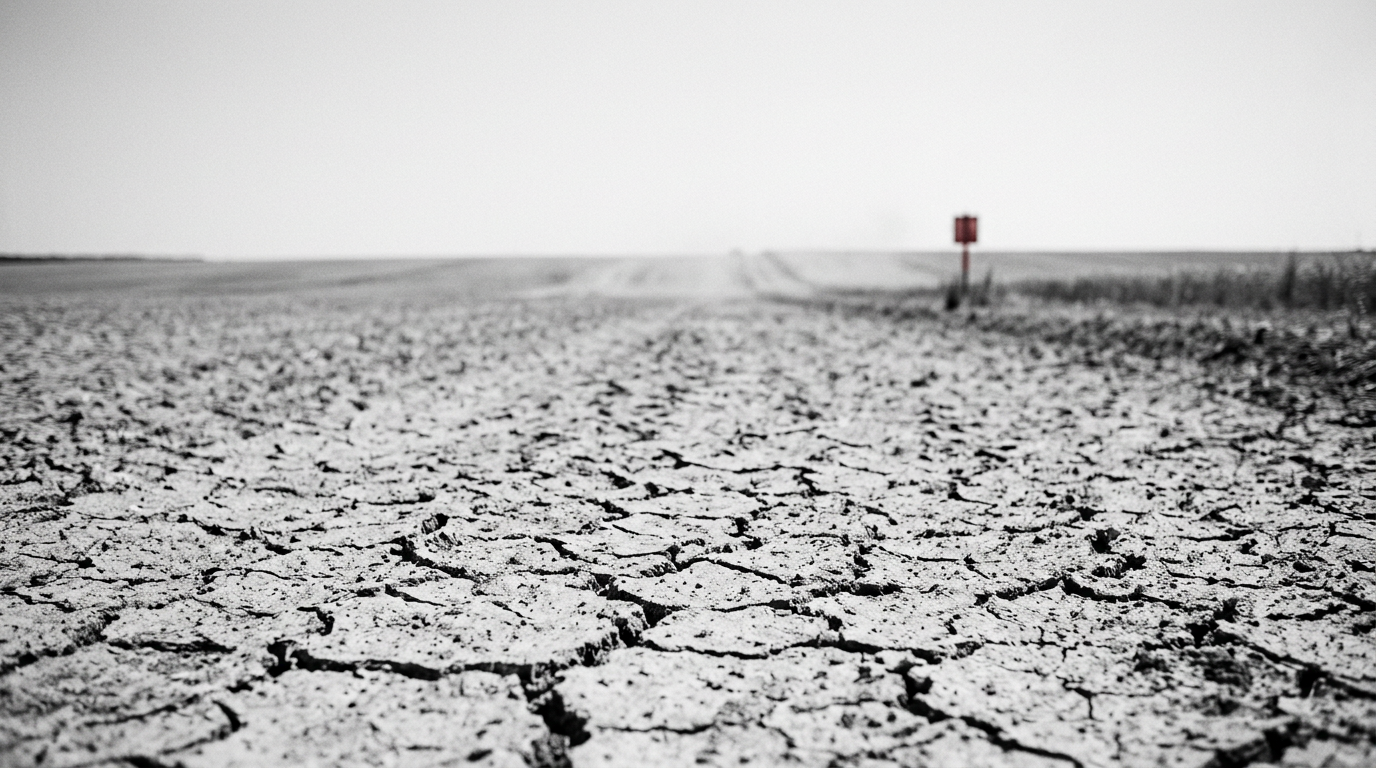
Ongoing extreme weather events, including record temperatures and extensive drought conditions across the United Kingdom, are highlighting a notable vulnerability in the nation's economy. Analysis suggests that prolonged periods of high heat, particularly those above 30°C, could significantly diminish national productivity, resulting in an annual reduction of Gross Domestic Product (GDP) by as much as 1.5%.
This projection is part of broader economic modeling, which indicates that similar thermal conditions could lead to a cumulative GDP decrease ranging from 5% to 7% over a five-year span in affected economies. Historically, the UK has not frequently experienced temperatures exceeding this critical threshold. However, recent climate data shows a clear shift, positioning the country in a higher-risk category for such events.
Shifting Climate Patterns and Economic Risk
This emerging trend aligns the UK more closely with climatic patterns observed in continental European nations, which are already accustomed to more frequent and intense heat events. The increasing recurrence of these conditions presents a significant long-term challenge for the British economy, moving beyond immediate relief efforts towards the imperative of building structural economic resilience against future climate shocks.
While current political discourse in the UK has largely focused on addressing the cost-of-living crisis and other immediate economic pressures, underlying structural data points to climate-related disruptions as a substantial threat to long-term macroeconomic stability. The anticipated declines in productivity are directly linked to the adverse impact of heat on labor output across various sectors.
Infrastructure Deficiencies and Future Preparedness
Such conditions make it more difficult for businesses to maintain operational efficiency and for individuals to perform effectively in their roles. The UK's economic exposure is further exacerbated by shortcomings in its core infrastructure. Essential systems, including water storage capacity, the resilience of the energy grid, and residential insulation standards, are currently considered inadequate to meet the demands of a progressively warmer climate.
Modernizing these infrastructural elements is deemed crucial for mitigating the economic repercussions of future heatwaves and other extreme weather events. Addressing this infrastructure deficit necessitates a coordinated approach from policymakers and substantial capital investment. Failure to implement these critical upgrades not only leaves the economy vulnerable to direct heat-related losses but also introduces broader systemic risks.
Policy Imperatives and Investment Needs
Concerns exist that a delayed green transition could reverse recent successes in controlling food price inflation, potentially imposing additional long-term fiscal burdens associated with climate-induced economic damage. The debate between prioritizing net-zero climate commitments and short-term economic growth is intensifying in light of these findings. While immediate economic concerns are pressing, long-term data underscores an urgent requirement for strategic investment in climate adaptation and mitigation measures.
Economic models indicate that proactively addressing climate vulnerability could avert significantly higher financial costs in the future, safeguarding national wealth and public finances. The long-term stability and growth trajectory of the UK economy hinge on its ability to adapt to these evolving climatic realities.