US Drought Reaches Unprecedented Levels
U.S. drought is at record levels for this time of year, covering over 61% of the Lower 48 and raising wildfire, water, and food concerns.
Atlas Newsdesk ·
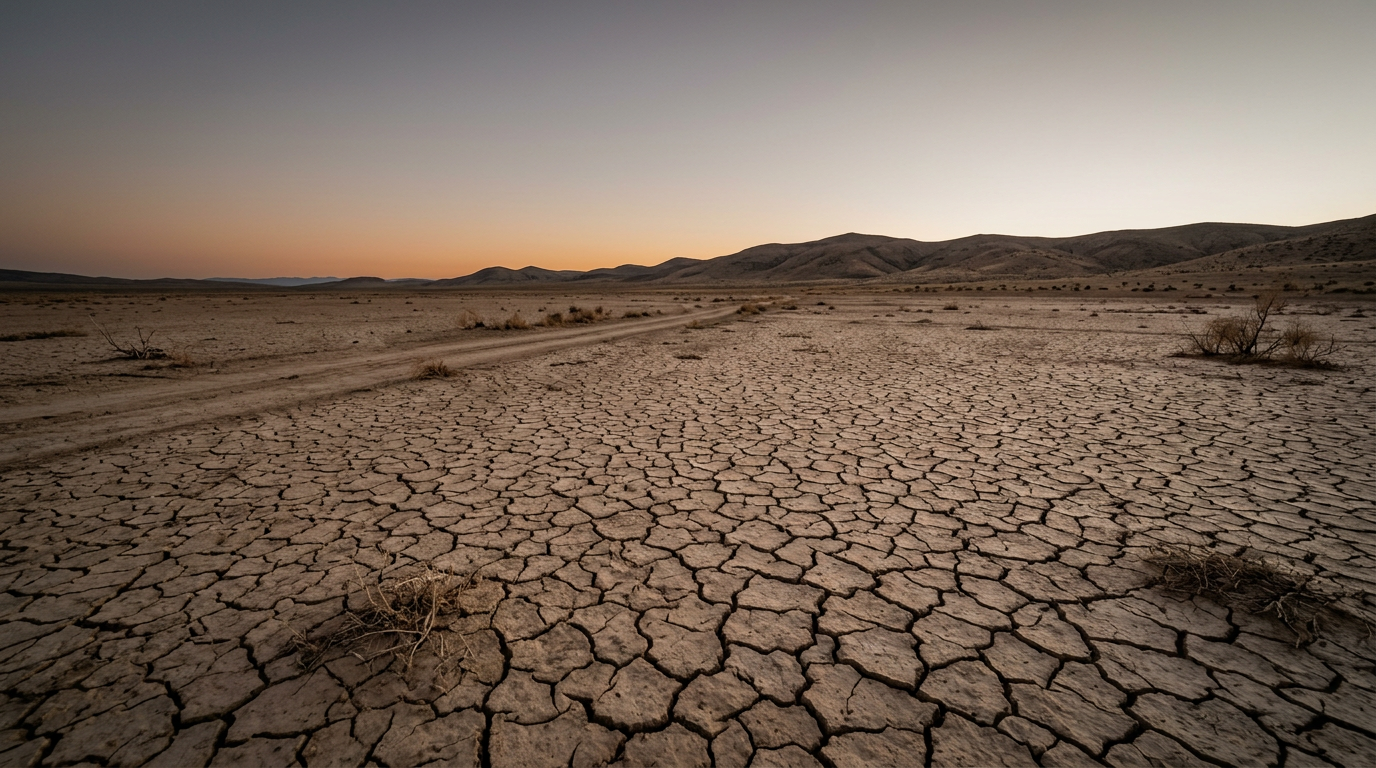
U.S. drought conditions have reached record levels for this point in the year , with more than 61% of the contiguous United States affected, according to data from the U.S. Drought Monitor. Officials and forecasters say the scale and timing are unusual, as drought impacts typically intensify into summer rather than arriving this broadly in early spring.
The most acute coverage is concentrated in two major regions. The Southeast is experiencing drought across 97% of the area, while roughly two-thirds of the West is in drought conditions. The U.S. Drought Monitor data indicates this is the highest drought extent recorded for this period since the monitoring series began in 2000.
Separate indicators also point to exceptional dryness. The National Oceanic and Atmospheric Administration’s (NOAA) Palmer Drought Severity Index posted its highest March reading since 1895. NOAA data also shows the prior month was the third-driest on record overall, behind only July and August 1934.
Forecasters attribute the early severity to multiple drivers affecting different parts of the country. In the West, record heat and exceptionally low snowpack have contributed to worsening conditions. In the South, a distinct drought pattern has been linked to shifts in the jet stream, meteorologists said.
Risks flagged by officials include wildfires, water scarcity, and higher food prices . The National Interagency Fire Center has forecast higher-than-normal potential for significant fires in the Southwest, as prolonged dryness increases the likelihood that fires spread quickly and become harder to contain. Concerns are also rising about water availability as the dry pattern persists.
Water supply forecasts point to near-term and potentially widespread shortages, particularly in areas reliant on the Colorado River. With drought conditions expanding and intensifying earlier than usual, water managers and communities dependent on constrained river systems face heightened pressure, according to the outlooks referenced in the report.
In agriculture, meteorologists warned that a weak U.S. crop year tied to drought could add to price pressures. They also noted that a predicted strong El Niño is expected to reduce global crop yields, which could amplify the risk of higher food prices internationally if both factors coincide.
Key uncertainties remain around how long the current pattern persists and whether conditions improve before peak summer demand for water and heightened wildfire season. For now, the latest monitoring and index readings underscore that the United States has entered the warm season with drought already at historically elevated levels for this time of year.