Southern California Ocean Temps Hit Record Highs
Southern California ocean temps set record highs for three months, with La Jolla hitting 10°F above average; scientists cite persistent high pressure.
Ayla Demirhan ·
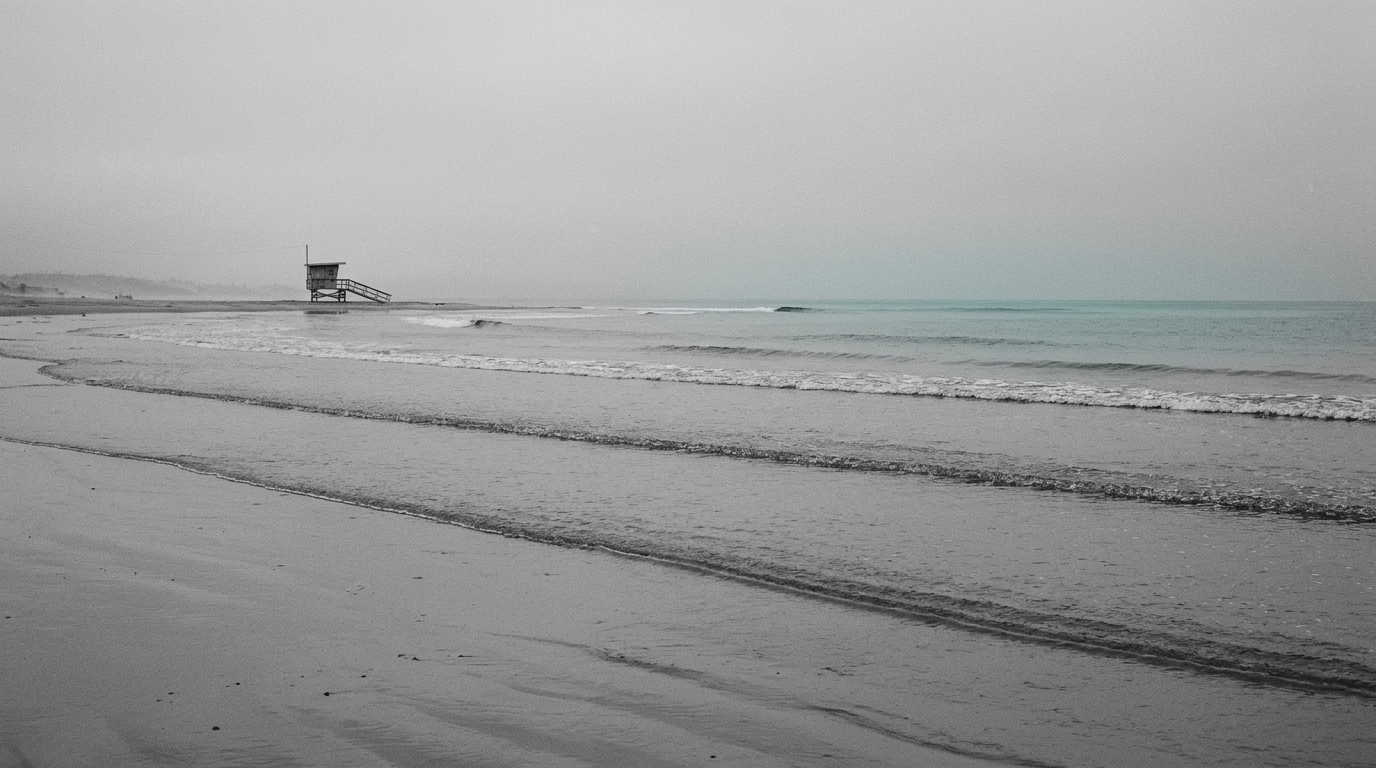
Southern California’s coastal waters have posted record-high temperatures over the past three months , according to shoreline monitoring stations run by the Scripps Institution of Oceanography. Researchers say the pattern is intensifying concern that the region may be entering a prolonged marine heatwave. Daily peak readings have repeatedly set new marks during the period, officials involved in the monitoring said.
One station highlighted by researchers was La Jolla, where measurements reached 10 degrees Fahrenheit above the historical average at one point last month. Scientists described the warming as part of an event that began last fall. They attributed the current episode to a persistent high-pressure atmospheric system, rather than the tropical ocean currents more commonly linked to El Niño-related warming.
Researchers said they are tracking the situation closely and drawing comparisons to “the Blob,” a marine heatwave that lasted three years about a decade ago and caused major disruption to marine ecosystems. The same high-pressure setup has also been linked to a terrestrial heatwave in California, underscoring that the atmospheric pattern is influencing both ocean and land conditions at the same time.
Scientists reported that some cooling has appeared recently, but they stressed that the longer-term direction remains unclear. They warned that impacts could grow if elevated temperatures persist into the fall and winter, particularly if warm conditions are followed by a strong El Niño. Researchers said this uncertainty is central to current monitoring efforts, because the duration of the heat is a key factor in determining ecological stress.
Extended ocean warming can disrupt marine life by changing phytoplankton dynamics and increasing the risk of harmful algal blooms, scientists said. Those shifts can ripple through the food web and affect a wide range of species, from sea lions to Dungeness crab.
Researchers also said that persistent high-pressure systems can reinforce warm, calm conditions through a feedback loop, and may interfere with the upwelling process that brings nutrient-rich water to the surface—an essential mechanism for West Coast ecosystem health.
Scientists said marine heatwaves are becoming more frequent and longer-lasting, driven in part by climate change and in part by atmospheric changes that remain under investigation. For coastal communities and ocean-dependent industries, the key unknown is whether the current pattern fades or extends into the next cool season, when prolonged warmth can amplify ecosystem impacts.