Energy Crisis: Calls Grow for Expanded UK Windfall Tax
UK windfall tax expansion is being urged to fund cost-of-living support as Middle East conflict-linked energy prices rise.
Atlas Newsdesk ·
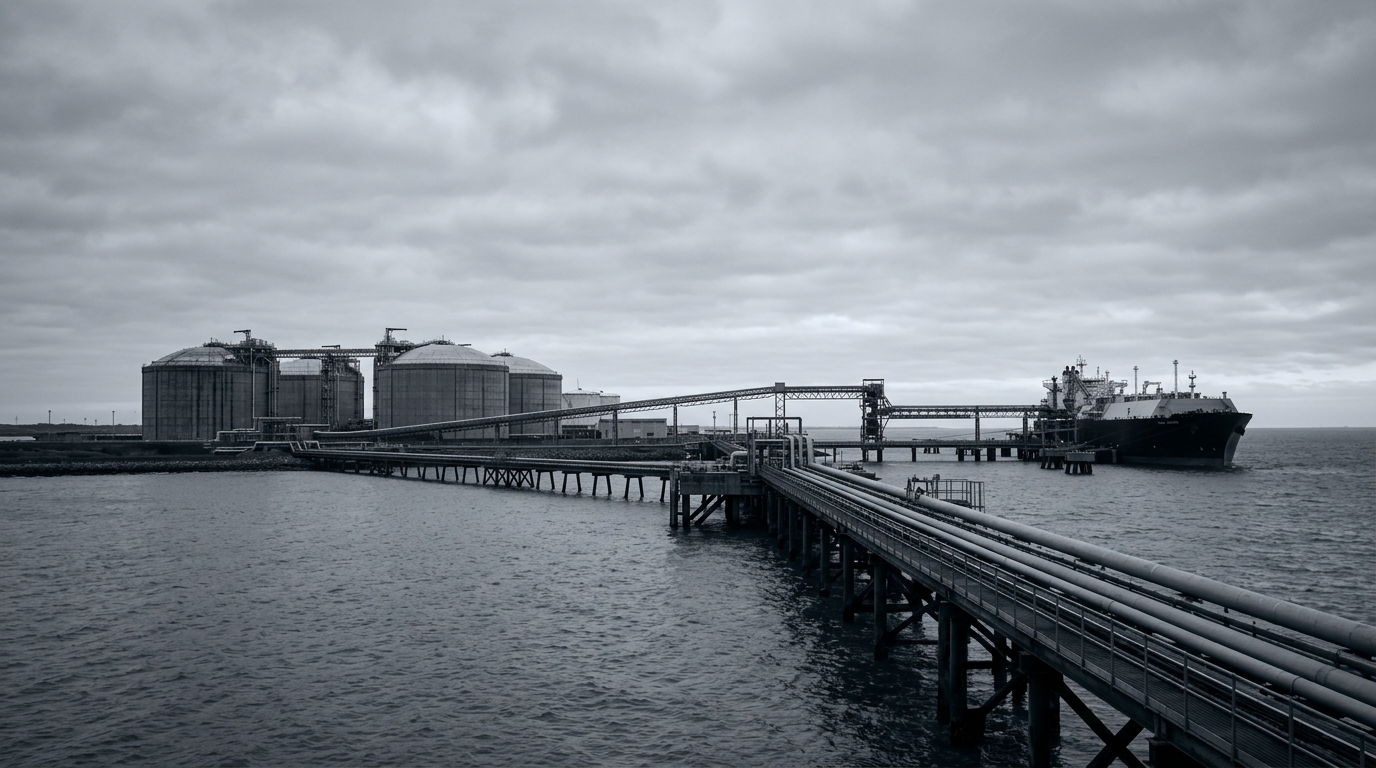
A UK coalition of charities, campaigners, and trade unions is urging a broader set of windfall-style taxes on companies it says are gaining from the economic disruption linked to the US-Israel conflict with Iran.
The groups have asked Labour leader Keir Starmer and Shadow Chancellor Rachel Reeves to consider new levies spanning energy, banking, agricultural commodities, defense, and technology, with the stated goal of raising billions to fund emergency cost-of-living help for households.
What the coalition is proposing
The signatories include Greenpeace UK and Tax Justice UK, which sent an open letter setting out the request. Their central argument is that sectors experiencing outsized gains during a period of geopolitical stress should contribute more to public support measures.
Alongside new sector coverage, the coalition wants the existing windfall charge on North Sea oil and gas producers strengthened. That tax, the Energy Profits Levy, is currently scheduled to remain in force until 2030.
Political signals and consumer protection focus
Reeves has said the government is prepared to provide targeted support for households facing higher energy bills tied to the Middle East conflict. She has also warned against companies taking advantage of the situation, and has said the Competition and Markets Authority is on alert for price gouging.
The push for wider windfall taxation is landing as policymakers face pressure to respond to financial strain on both households and businesses. The coalition frames its proposal as a way to fund near-term relief while also improving the UK economy’s ability to withstand future energy shocks.
Additional ideas and what is not yet clear
Separately, Richard Walker, a Labour peer and chair of Iceland supermarkets, has urged policymakers to consider a profits cap for energy and fuel companies. The source material does not specify how such a cap would be designed, enforced, or coordinated with existing tax measures.
The Energy Profits Levy was already in place before the latest escalation in the Middle East. Reeves had reportedly been planning to reduce that tax before the conflict intensified, highlighting uncertainty over how Labour would balance investment incentives, consumer protection, and revenue needs if it were in government.