Russian Oil Demand Rises, Discounts End on Key Routes
Increased demand for Russian oil, coupled with supply constraints and shipping congestion, has eliminated discounts on certain routes, leading to premium…
Cuneyd Erdogan ·
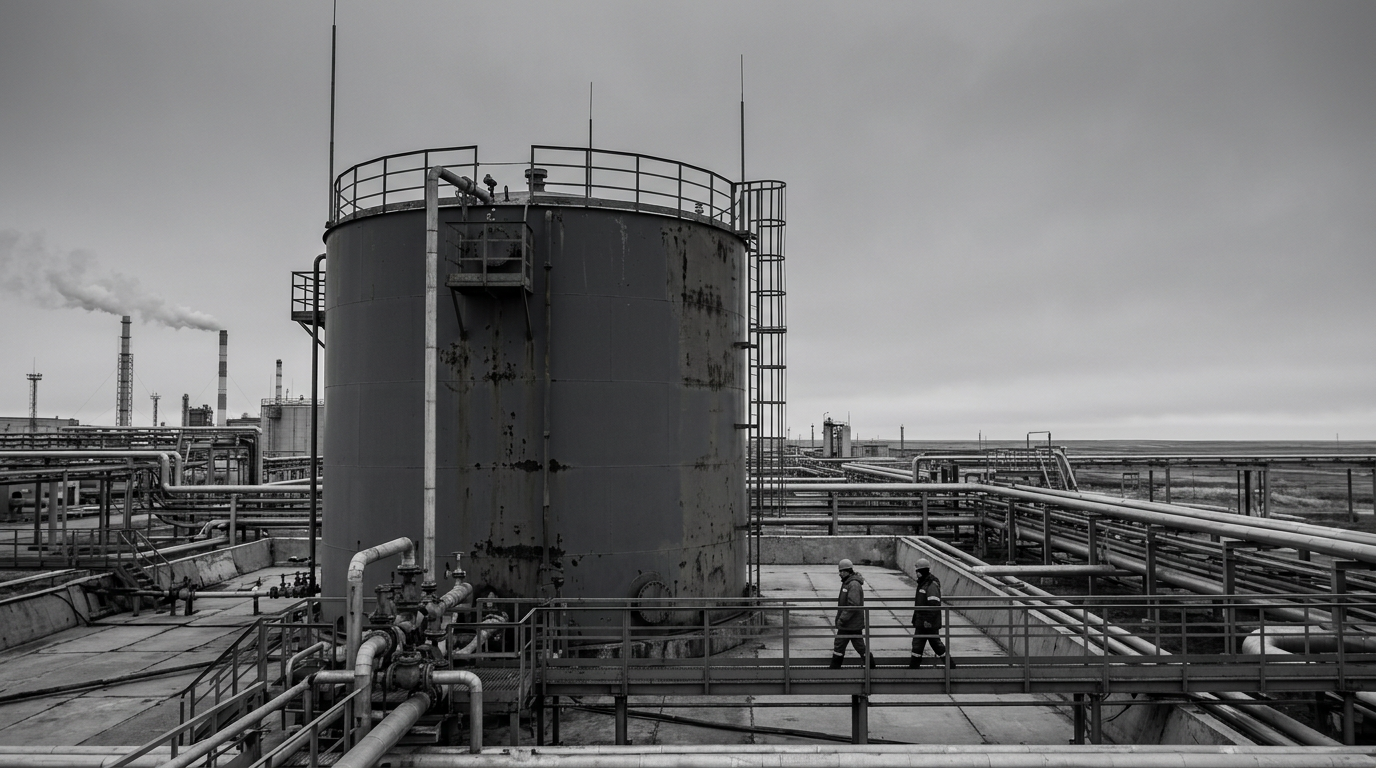
Global Oil Market Dynamics Shift
Russia has begun selling its crude oil at premium prices on specific routes, moving away from discounted rates. This shift comes as global oil supplies tighten, according to statements made by Russian Deputy Prime Minister Aleksandr Novak on March 26, 2026. Novak indicated that rising demand for Russian oil has led to the cessation of discounts on several export pathways.
A primary factor driving this change is logistics. Geopolitical developments in the Middle East have pushed shipping costs higher. Congestion in the Strait of Hormuz has reduced the efficient use of oil tankers globally. This situation effectively shrinks transportation capacity, as more vessels and longer transit times are needed for the same volume of oil, intensifying competition among buyers and influencing price formation.
Impact on Russian Oil Pricing
This scenario presents two key outcomes for Russia. Firstly, the discounts previously offered due to sanctions-related risk premiums and extended shipping distances can quickly diminish during periods of tight supply. Secondly, bottlenecks in the shipping chain make the origin and route of crude oil strategically important; exporters with flexible routes gain stronger pricing power.
Novak also noted Russia's capacity to increase production, though he emphasized that such an increase would not be immediate. Boosting production requires time, investment, and funding, progressing gradually. This suggests that Russia's ability to rapidly respond to the market with additional volume might be limited in the short term.
Strategic Diversification and Export Controls
Russia is actively exploring ways to diversify its export routes. Options mentioned by Novak include pipelines through Kazakhstan and various Black Sea and Baltic ports. This strategy aims to manage delivery times and cost uncertainties through a combination of pipelines and alternative port infrastructure, especially when maritime transport risks are elevated.
Furthermore, Russia is considering new restrictions on gasoline exports. Novak announced upcoming meetings with Russian energy companies to discuss this matter. Such a measure could aim to stabilize domestic supply and prices, potentially acting as a policy tool that could affect regional flows of refined products.
Broader Market Implications
Overall, Novak's statements highlight that oil prices are determined not only by production volumes but also by factors such as transportation capacity, strait passages, and route security. During periods of supply tightness, logistical disruptions can rapidly eliminate discounts and lead to premium pricing for certain oil barrels.