Qatar Renews Diplomacy for Libyan Political Unification
Qatar’s top diplomat visited eastern Libya on August 28, 2026, marking a renewed push to unify Libya’s divided administrations.
Lauren Collins ·
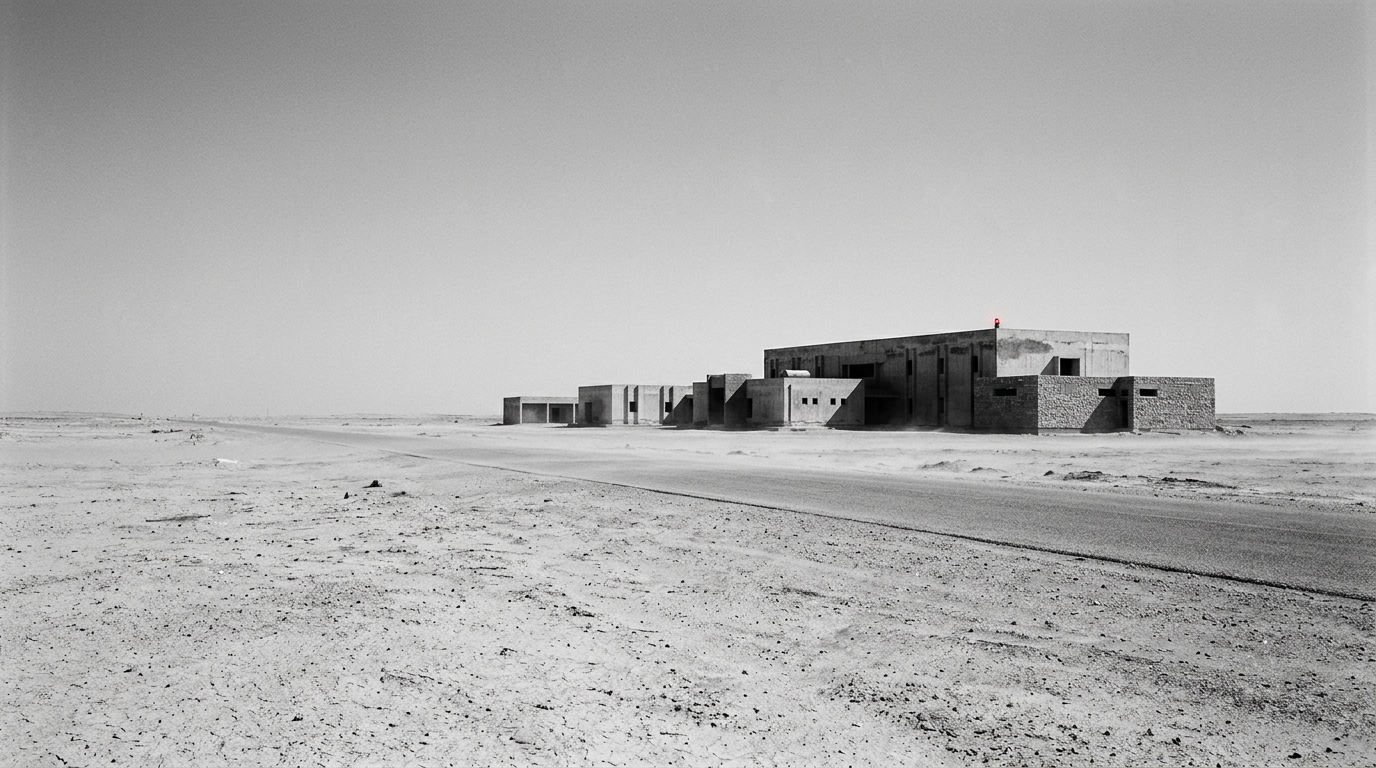
A senior Qatari official arrived in eastern Libya on August 28, 2026, marking a significant diplomatic initiative by Doha to address the country's persistent political fragmentation. This visit by Qatar's Minister of State for Foreign Affairs represents the first high-level engagement from the Gulf state in this specific Libyan region in 14 years. It signals a broader regional effort, also involving nations like Egypt and Türkiye, aimed at reconciling Libya's fractured governance structures.
Libya has been navigating a bifurcated administration for over a decade, a situation that has consistently undermined national stability and impeded economic recovery. The current diplomatic thrust primarily seeks to unite the internationally recognized government based in Tripoli with the leadership operating from the eastern part of the country, engaging key stakeholders directly in the east.
Facilitating National Consensus
The success of this Qatari-led endeavor largely depends on its capacity to align diverse regional interests that have historically supported opposing factions within Libya. Qatar's objective is to foster a unified political framework, working towards a consensus among principal actors to conclude the prolonged power struggle. A positive outcome could lay the groundwork for a more stable and cohesive Libyan state, ending years of division that have plagued the North African nation since the 2011 uprising.
For more than ten years, Libya has been governed by two rival authorities. The Government of National Unity (GNU) holds power in the capital, Tripoli, while a distinct administration, backed by the Libyan National Army (LNA), maintains control in the east. This deep political and military schism emerged following the 2011 uprising and subsequent civil conflicts, which created significant rifts across the nation.
Potential for Stability and Risks
Should these diplomatic overtures gain substantial momentum, an immediate reduction in political volatility is anticipated. This could potentially facilitate the establishment of unified national institutions within an estimated timeframe of 12 to 18 months. Achieving such unity would constitute a pivotal step toward national reconstruction and securing a more stable future for the Libyan populace.
Conversely, a failure to forge a broad consensus carries considerable risks. A continued deadlock would likely perpetuate institutional fragmentation, thus maintaining the existing political stalemate. This scenario would further delay crucial reforms and economic development, leaving Libya susceptible to ongoing instability and increased external interference. The current diplomatic outreach is therefore considered a critical juncture for shaping the country's future political landscape and its long-term stability.