South Sudan Cattle Camp Raid Kills 49 in Warrap State
An armed attack on a South Sudanese cattle camp and village in Warrap State resulted in 49 deaths and 33 injuries, officials reported Thursday.
Lauren Collins ·
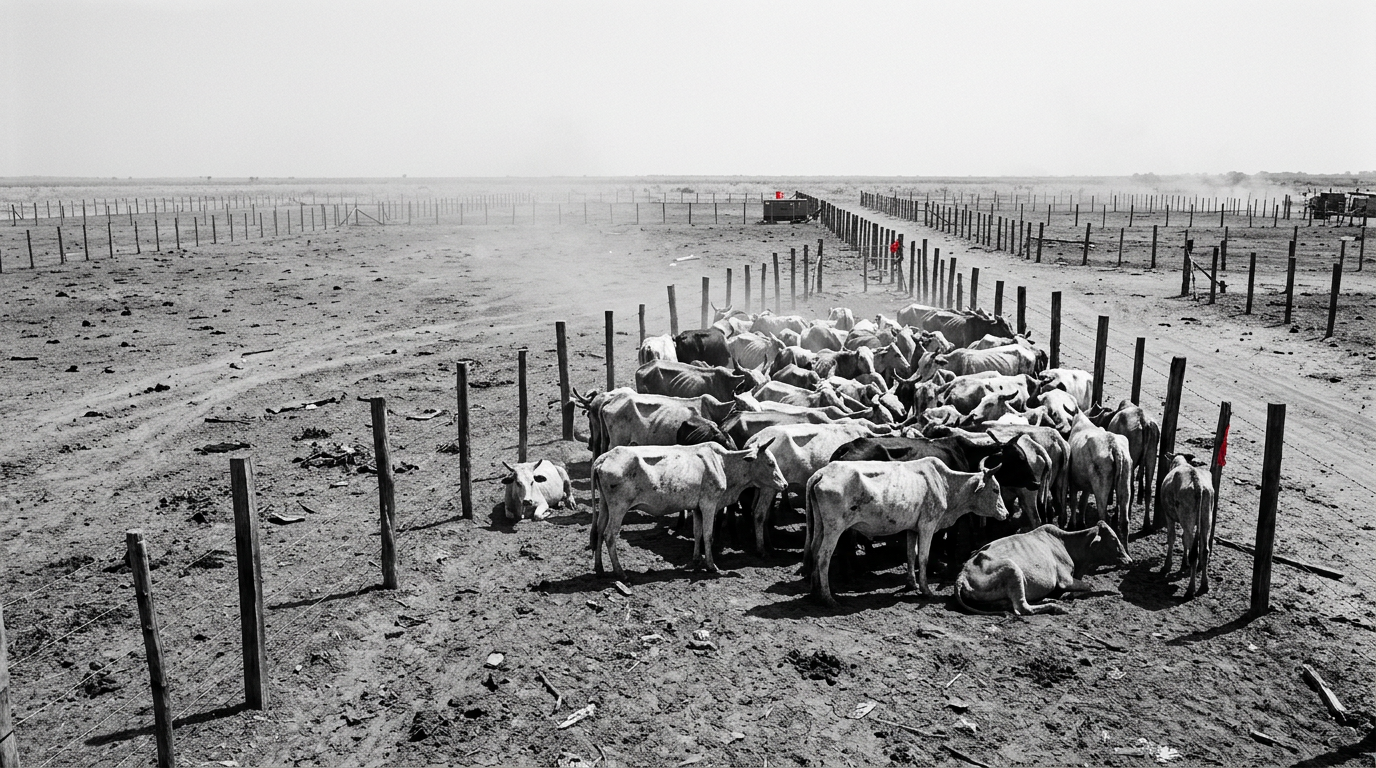
An armed assault in South Sudan's Warrap State on Thursday left at least 49 people dead and 33 others wounded. The attack targeted a cattle camp and a village within Tonj North County, according to local authorities. Perpetrators were identified as a cross-border criminal group operating in the region.
The incident specifically impacted the Machar-Pakuek camp and the Mading Juer Boma. This event highlights a persistent security crisis driven by long-standing disputes over critical resources. Competition for limited grazing land and water frequently fuels inter-communal violence throughout the country, often worsened by weapon availability and a weak rule of law in remote areas.
Escalating Regional Violence
This latest violence follows a similar deadly attack that occurred approximately three weeks prior in the same geographic vicinity, which resulted in 60 fatalities. Such recurring incidents indicate a disturbing pattern of escalating instability and insecurity, suggesting that the underlying causes of conflict remain unresolved despite previous efforts.
Warrap state government officials have issued an urgent appeal for humanitarian assistance to address the immediate needs of individuals displaced by the recent raid. The United Nations Mission in South Sudan (UNMISS) has previously voiced significant concern regarding the ongoing cycle of violence affecting these communities, emphasizing the severe human cost and disruption to livelihoods.
Persistent Instability Despite Measures
The ongoing clashes persist despite various government initiatives aimed at restoring order. Last year, President Salva Kiir declared a six-month state of emergency in an effort to curb such violence and enhance security operations. However, the repeated large-scale attacks imply that these measures have not been fully effective in deterring armed groups or addressing the fundamental causes of the conflict.
The continued frequency of these raids casts doubt on peacebuilding efforts in South Sudan, a nation still recovering from years of civil war. The outlook for regional stability remains uncertain. If resource scarcity intensifies due to factors such as climate change or population growth, experts anticipate that similar violent incidents will likely continue, further destabilizing affected areas and increasing humanitarian demands.
Both domestic government interventions and international aid efforts will be crucial in mitigating future conflicts and protecting vulnerable populations from ongoing violence. International organizations continue to monitor the situation closely, advocating for sustainable solutions in resource management and conflict resolution.