Putin warns EU vessels may be seized if EU targets ships
Putin said on Aug. 13, 2026 Russia may seize EU-flagged vessels if the EU adopts measures targeting Russian ships, officials said.
Mateo Fernandez ·
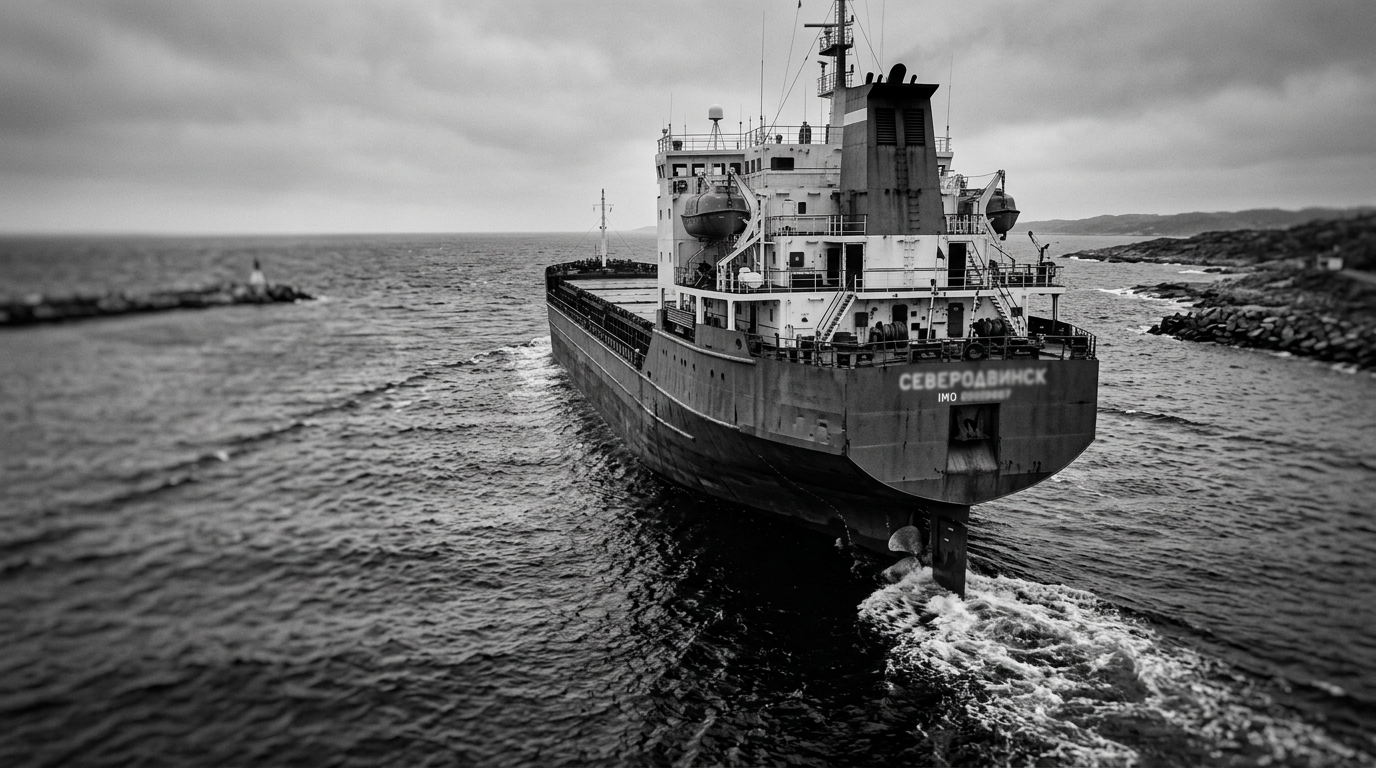
President Vladimir Putin warned that Russia could begin seizing European Union-flagged vessels if the bloc takes steps that target Russian ships, officials said. The Kremlin statement was issued on August 13, 2026, and was described as a conditional response rather than an immediate policy shift.
Officials said Moscow presented the warning as reciprocal, arguing it would be triggered only if the European Union introduces measures affecting Russian vessels. The same officials said the message raised the risk of direct incidents at sea and could disrupt trade flows if it moves from warning to enforcement.
Seizure threat framed as conditional reciprocity
According to officials According to officials, the Kremlin positioned the threat as a mirrored step: Russia would detain EU shipping only in response to EU decisions aimed at Russian ships. They said the statement did not describe an automatic change in practice, but instead outlined a potential action path depending on what the EU does next. Officials said that, if implemented, the approach could give Russian authorities a stated basis to board and hold foreign-flagged ships in areas Moscow claims. They added that this could complicate navigation decisions and commercial planning for operators whose routes pass near disputed waters. Risk areas include the Baltic, Black Sea and eastern Mediterranean Officials said the Kremlin’s warning covered possible actions affecting shipping in the Baltic Sea, the Black Sea, and parts of the eastern Mediterranean. Any boarding or detention activity in those spaces, they said, would introduce added uncertainty for carriers and crews moving through nearby sea lanes.
President Vladimir Putin
The statement also highlighted the possibility of maritime friction if reciprocal measures are put into practice, officials said. They said contested claims combined with enforcement activity could increase the chance of direct encounters involving commercial traffic, particularly where multiple parties operate in proximity.
Insurers and operators may revisit route pricing and planning Officials said the announcement raised the prospect of insurers and shipping companies reassessing route choices and risk pricing for voyages passing close to contested areas. They said that could translate into higher premiums and changes in voyage planning as companies seek coverage and reduce exposure.
Officials added that potential knock-on effects include higher costs and longer transit times for cargo moving between Europe and Asia, depending on how operators adjust routing and insurance decisions. They did not quantify possible cost increases.
EU reactions and naval decisions in focus by Aug. 15 Officials said attention will now shift to responses from EU capitals and to any changes in naval deployments by August 15, 2026. They said two developments would be watched most closely: a decision to escort commercial convoys, or the adoption of targeted measures affecting Russian vessels.
For now, officials said key operational details remain unresolved, including which specific EU measures Russia would treat as sufficient grounds for seizure and how any detentions would be carried out in practice. They said those unknowns are likely to shape how shipping companies and insurers assess risk in the coming days.