Police Use Public Order Powers Amid UK Asylum Protests
Police in Portsmouth and Glasgow used enhanced powers to manage competing demonstrations, resulting in several arrests while preventing civil disorder.
Lauren Collins ·
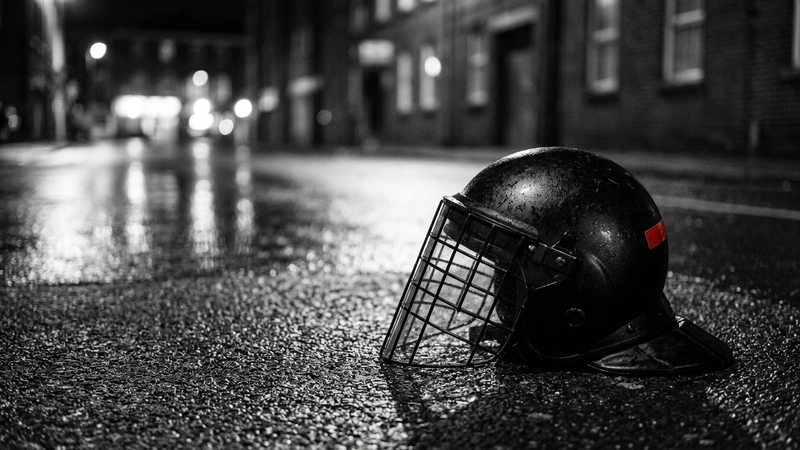
Police in Portsmouth and Glasgow deployed enhanced public order powers this weekend to manage competing demonstrations, following the recent arrival of asylum seekers. In Portsmouth, officers enforced directives requiring protesters to remove face coverings, leading to the arrest of a 76-year-old for non-compliance. Additional arrests included charges for obstructing a highway and violent disorder linked to earlier incidents.
The Portsmouth demonstrations occurred after a vessel carrying 140 asylum seekers arrived in the city, marking a new focus for anti-immigration activity. Local officials emphasized that while peaceful protest rights are protected, authorities will prioritize preventing criminal damage and assaults on officers. The implementation of these powers aims to maintain public safety and minimize disruption to local commerce.
Tensions Rise in Glasgow
In Portsmouth
In Glasgow, authorities maintained strict separation between opposing groups to prevent the escalation of violence observed in previous months. The presence of elected officials at counter-protests underscored the growing political polarization surrounding migration policy.
Chief Superintendent Stevie Dolan warned of a "strong response" to any violence, following previous flashpoints at protests in July. Security forces remain on high alert as frequent confrontations continue to strain local policing resources.
Background of UK Asylum Protests These protests come amidst increasing tensions over asylum policy in the United Kingdom. Anti-immigration activists have recently gathered in Portsmouth for a second consecutive weekend, facing counter-protesters.
The incidents in both cities highlight the ongoing challenge for law enforcement to balance public order with protest rights.