Congo Republic Faces Deep Economic Challenges
Congo faces economic challenges like unemployment & poverty due to oil reliance & debt.
Atlas Newsdesk ·
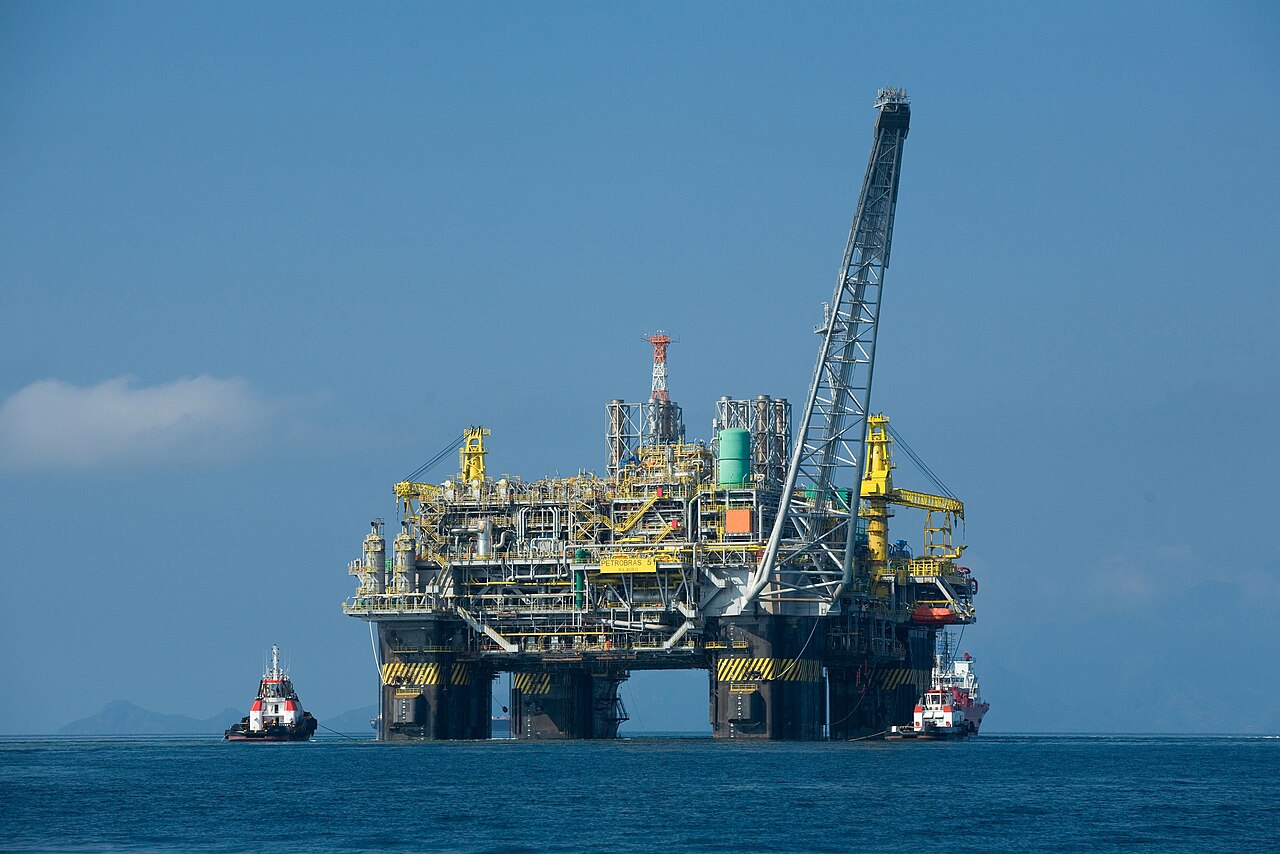
The Republic of Congo, a significant oil-producing nation, continues to grapple with substantial economic difficulties, marked by high unemployment and pervasive poverty. These issues persist despite the upcoming presidential elections scheduled for March 15, 2026. The nation's economy is heavily dependent on its oil sector, which accounts for approximately 70% of its exports and 40% of its Gross Domestic Product (GDP).
This reliance on oil revenues renders the Congolese economy highly vulnerable to global commodity price volatility. A notable example occurred after the 2014 crude oil price collapse, which precipitated a severe economic crisis. This downturn pushed the country's public debt to over 90% of its GDP, highlighting the inherent risks of an undiversified economic structure.
Persistent Debt and Economic Structure
Despite subsequent debt restructuring efforts, including agreements with the International Monetary Fund (IMF), public debt levels remain elevated. In 2024, the Republic of Congo's public debt stood at 93.6% of GDP. This persistent debt burden constrains fiscal flexibility and limits the government's capacity to invest in critical social and economic development programs.
Economists often characterize the Republic of Congo as a 'rentier state,' where a substantial portion of public finances originates from natural resource extraction rather than a broad tax base. This model centralizes revenue management and can impede efforts towards economic diversification and the creation of new employment opportunities outside the oil sector.
Social Impact and Political Context
Nearly half of the Congolese population lives below the poverty line, a direct consequence of the country's economic structure and its susceptibility to external shocks. The lack of diverse economic opportunities particularly affects young graduates, who frequently struggle to secure stable employment.
President Denis Sassou Nguesso, who is seeking re-election, has acknowledged the civil service's limited capacity to absorb job seekers. He has encouraged self-employment as an alternative, yet the broader issues of economic transformation and poverty alleviation remain central concerns for the electorate. The oil sector's financial contributions also play a role in the political landscape, funding political parties and influencing social stability.
Outlook and Diversification Efforts
The ongoing economic challenges underscore the urgent need for the Republic of Congo to diversify its economy beyond oil. Reducing dependency on a single commodity would mitigate exposure to price fluctuations, foster broader economic growth, and create more sustainable employment opportunities. International financial institutions continue to monitor the country's fiscal health and advocate for structural reforms aimed at enhancing economic resilience and reducing poverty.
Implications
Country Impact: The Republic of Congo faces continued fiscal strain and social instability due to its heavy reliance on oil and high public debt. Economic diversification is crucial for long-term stability and poverty reduction.
Industry Impact: The oil and gas industry remains central to the Congolese economy, but its volatility poses significant risks. Other sectors, particularly those that could create jobs for young graduates, remain underdeveloped.
Market Impact: Global oil price movements will continue to directly impact the Republic of Congo's economic stability and its ability to service its substantial public debt. Investors will monitor diversification efforts and fiscal reforms.