Global Stocks Dip as Oil Volatility Persists
Global stocks fell March 12, 2026, with the MSCI All Country World Index down 0.3%, due to oil price volatility and geopolitical tensions.
Atlas Newsdesk ·
Global equity markets registered declines on March 12, 2026, reflecting persistent investor apprehension stemming from geopolitical tensions and fluctuating oil prices. The MSCI All Country World Index, a key benchmark for global stocks, recorded a 0.3% decrease, building on a more significant 1.5% loss from the previous trading day. This downturn indicates a cautious sentiment among investors regarding the broader economic outlook.
Market Performance Overview
Futures contracts for U.S. equities, including the S&P 500 Index, showed a 0.1% reduction, pushing the S&P 500 to its lowest valuation since November of the prior year. Similarly, European stock futures experienced a 0.3% drop, signaling widespread market weakness across major economic blocs. These movements underscore a period of heightened sensitivity to external shocks.
Oil Price Dynamics
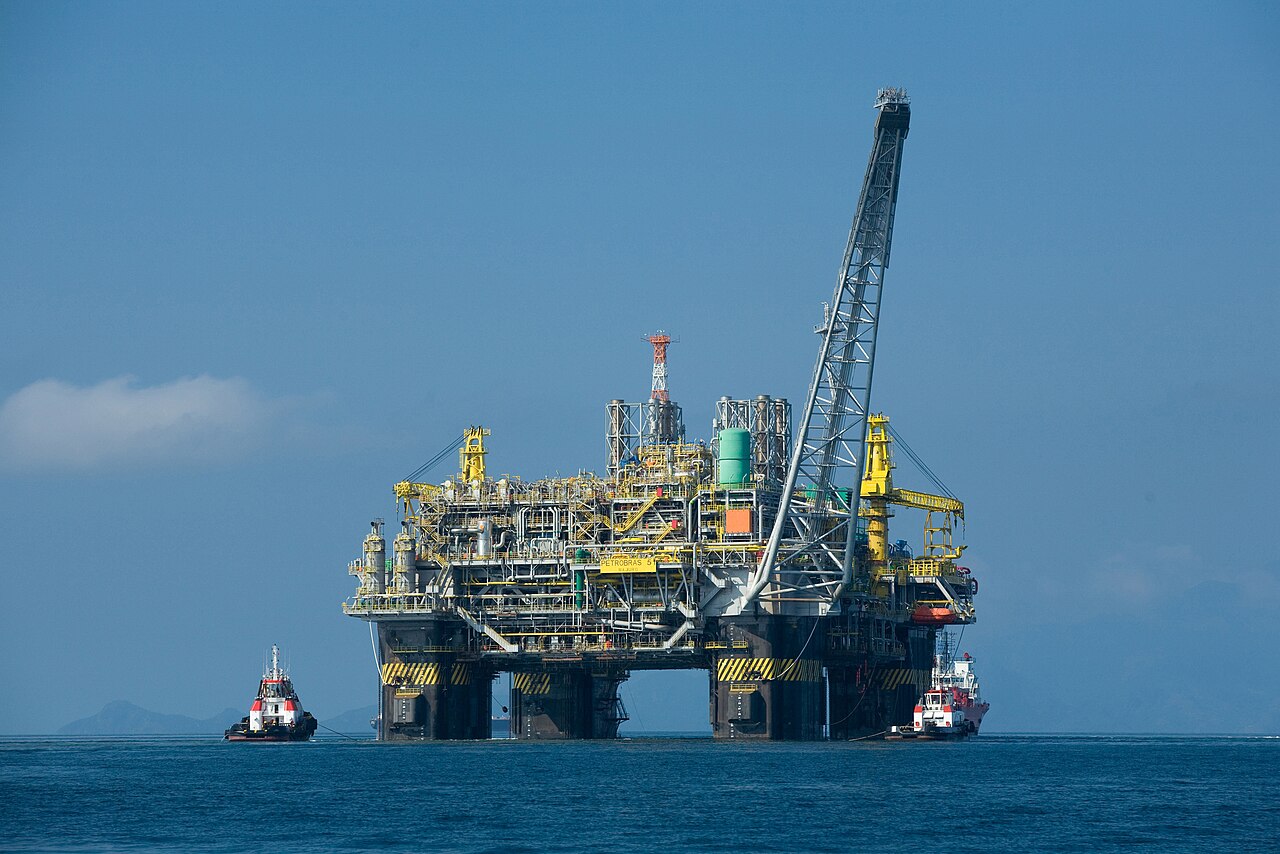
Crude oil prices remained a central factor influencing market sentiment. Brent crude, an international benchmark, was trading near $100 per barrel. This level followed a substantial 9.2% surge recorded on March 11, 2026, highlighting significant volatility in energy markets. The rapid price shifts in oil are often linked to supply concerns and geopolitical instability, particularly in the Middle East.
Geopolitical Undercurrents
The ongoing conflict in Iran continues to be a primary driver of market uncertainty. The conflict's potential to disrupt global oil supplies and destabilize regional politics contributes to a risk-off environment for investors. Such geopolitical events frequently lead to increased demand for safe-haven assets and a retreat from riskier equity investments.
Investor Sentiment and Economic Outlook
Investor caution is further exacerbated by concerns over potential inflationary pressures from elevated oil prices and the broader implications for global economic growth. Central banks worldwide are closely monitoring these developments as they weigh their monetary policy decisions. The confluence of geopolitical risk and commodity price volatility creates a challenging environment for market participants.
Historical Context of Market Reactions
Historically, periods of significant geopolitical conflict, especially those involving major oil-producing regions, have often correlated with increased market volatility and downward pressure on equity prices. Investors tend to re-evaluate risk premiums, leading to capital reallocation. The current situation echoes past instances where energy supply concerns have directly impacted global financial stability and economic forecasts.
Outlook for Global Markets
Analysts suggest that market stability will largely depend on de-escalation of the conflict in Iran and a more predictable trajectory for oil prices. Until then, intermittent market corrections and heightened volatility are likely to persist. The interplay between geopolitical events, commodity markets, and investor confidence remains a critical determinant for global equity performance in the near term.
Implications
Country Impact: Major economies, particularly those heavily reliant on oil imports, face potential inflationary pressures and increased costs for businesses and consumers. This could impact domestic growth forecasts and consumer spending.
Industry Impact: Energy-intensive industries and transportation sectors are likely to experience higher operational costs due to elevated oil prices. Conversely, renewable energy sectors may see increased investment interest as alternatives to fossil fuels.
Market Impact: Global equity markets are expected to remain volatile, with a potential shift towards defensive sectors and safe-haven assets. Bond yields may fluctuate as investors weigh inflation risks against economic slowdown concerns.