Oil Prices Surge Amid Sustained Gulf Tensions
Global oil markets anticipate prolonged supply disruptions from the Gulf region, driving Brent crude prices above $100 per barrel.
Atlas Newsdesk ·
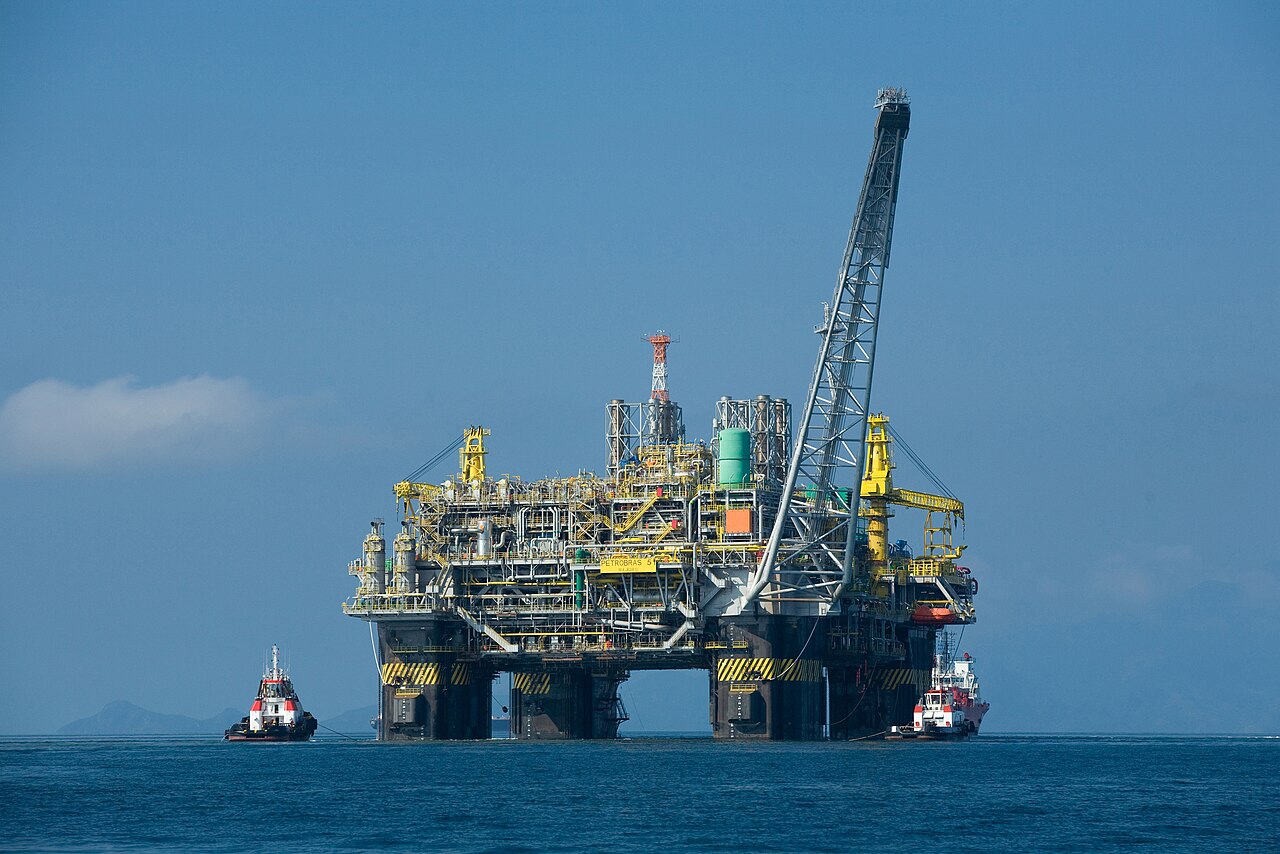
Global oil markets are adjusting to expectations of extended supply disruptions from the Gulf region, moving past initial forecasts of brief instability. This revised outlook, influenced by ongoing geopolitical friction involving the United States, Israel, and Iran, indicates that market volatility could continue for an extended period. Brent crude futures reflected this sentiment, climbing above $100 per barrel on Thursday, settling at $100.46, an increase exceeding 9% for the day.
Geopolitical Drivers of Market Shift
The escalation of tensions in the Middle East has fundamentally altered market perceptions regarding energy supply security. Analysts are now factoring in a prolonged period of elevated risk, which directly impacts crude oil pricing. The interconnectedness of regional conflicts means that even localized incidents can have global repercussions for energy flows.
Market Response and Price Movements
Thursday's significant price jump for Brent crude futures underscores the market's sensitivity to geopolitical developments. The benchmark's close at $100.46 per barrel represents a substantial daily gain, signaling investor concern over potential supply interruptions. This movement suggests that traders are pricing in a higher risk premium for crude oil, anticipating sustained pressure on prices.
Historical Context of Oil Market Volatility
Historically, the Gulf region has been a critical source of global oil supply, making it a focal point for geopolitical risk. Past conflicts and political instability in the area have frequently led to sharp increases in crude oil prices. This current situation echoes previous periods where geopolitical events directly translated into significant market shifts, highlighting the region's strategic importance to global energy security.
Economic Implications of Sustained High Prices
An extended period of elevated crude oil prices could have broad economic implications globally. Higher energy costs typically translate into increased operational expenses for businesses, potentially fueling inflation and impacting consumer spending. Central banks worldwide may face renewed pressure to manage inflationary trends, complicating monetary policy decisions.
Outlook for Energy Supply and Demand
The current environment suggests that the supply side of the oil market will remain under scrutiny. While demand dynamics continue to evolve, the primary driver for current price increases is the perceived risk to production and transit routes in the Gulf. Market participants will closely monitor diplomatic efforts and military developments for any signs of de-escalation or further intensification, which could dramatically alter the supply-demand balance and price trajectory.
Implications
Country Impact: Nations heavily reliant on oil imports may face increased inflationary pressures and higher energy costs, potentially impacting economic growth and consumer purchasing power. Exporting countries could see revenue boosts but also heightened geopolitical risks.
Industry Impact: Energy-intensive industries, including transportation and manufacturing, will likely experience elevated operational costs. Airlines and shipping companies, in particular, may pass on increased fuel surcharges to consumers, affecting global supply chains.
Market Impact: Global equity markets may exhibit volatility as investors assess the impact of higher oil prices on corporate earnings and economic stability. Bond markets could see yields rise as inflation expectations increase, while commodity markets will likely remain sensitive to geopolitical headlines.