G7 Considers Emergency Oil Release
G7 nations are considering a coordinated release of emergency oil reserves to counter significant Middle East supply disruptions, which has already calmed…
Atlas Newsdesk ·
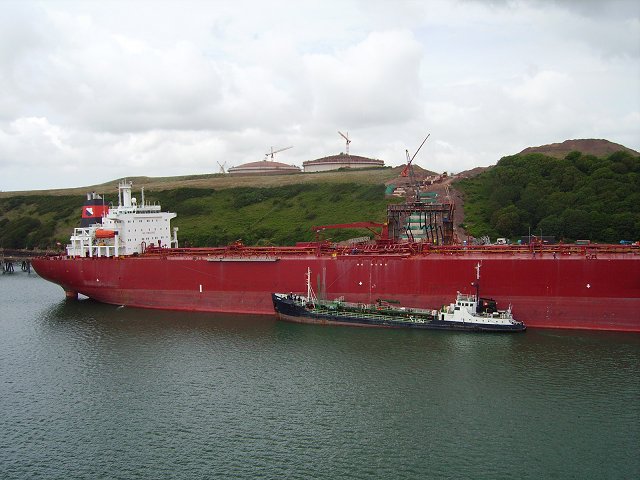
The Group of Seven (G7) nations are considering a coordinated release of emergency crude oil reserves following significant supply disruptions from the Middle East, which have removed an estimated 15 million barrels of petroleum exports from the global market. This consideration, announced on March 10, 2026, has already contributed to a calming of oil markets, with prices for U.S.
benchmark West Texas Intermediate (WTI) settling at $83.45 a barrel and global benchmark Brent crude at $87.80 on Tuesday, down from near $120 a barrel earlier in the week.
Despite the market's immediate reaction, analysts caution that the practical impact of such a release would be limited. The maximum flow rate from coordinated reserve releases, as seen during the 2022 Russian invasion of Ukraine, reached approximately 1.2 million barrels per day.
This is significantly less than the estimated 10 million barrels per day currently impacted or unable to move efficiently due to Middle East disruptions, which normally see 16 million barrels per day transit the Strait of Hormuz. Furthermore, the process of auctioning, loading, and physically moving these barrels into the system would take time, delaying their market impact.
The International Energy Agency (IEA) is scheduled to hold an extraordinary meeting to assess the current security of oil supplies. The scale of the current disruption is described by Wood Mackenzie analysts as "unprecedented," exceeding any previous supply loss in the industry's history.