Polio Detected in London Sewage, UK Slashes Funding
UK cuts support for global polio eradication as vaccine-derived poliovirus is detected again in London wastewater in early March.
Ayla Demirhan ·
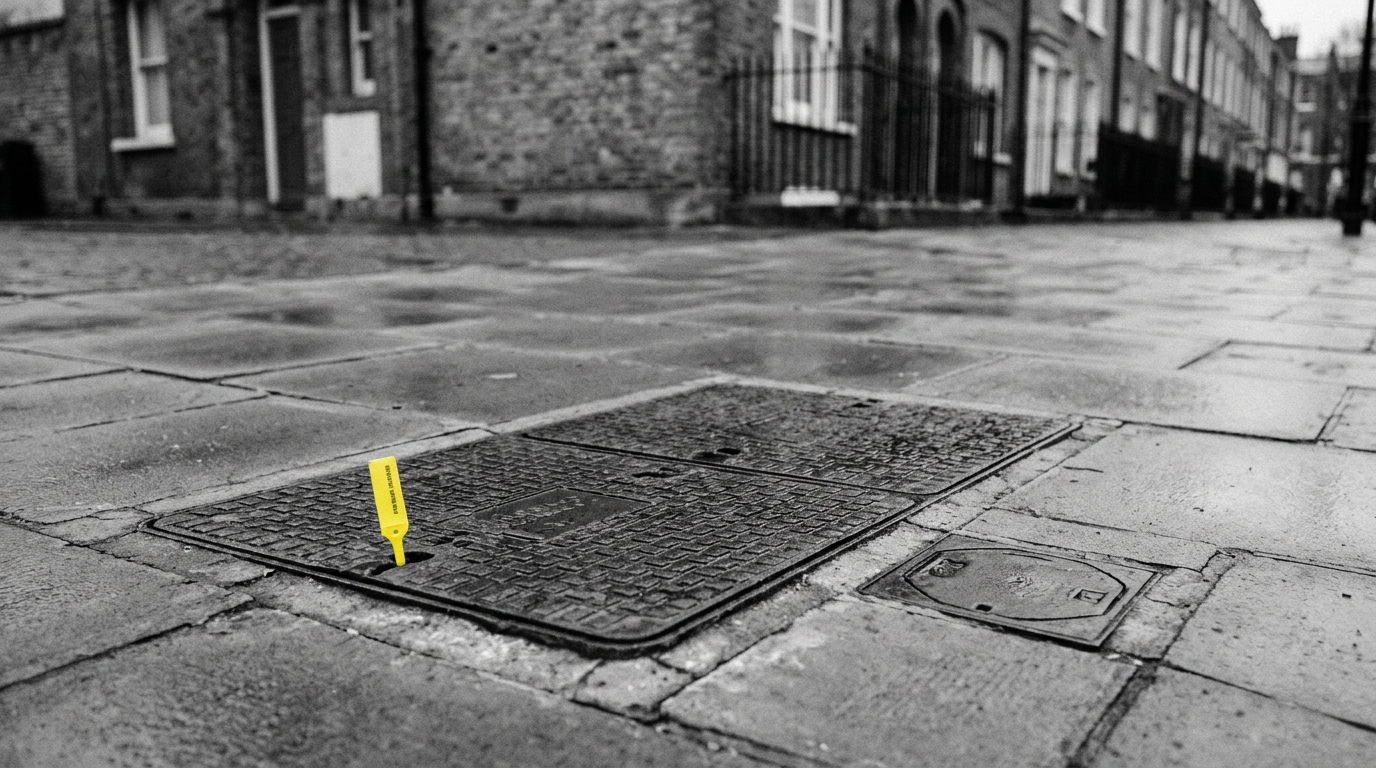
The UK government has pulled back funding for international polio eradication work, a shift announced last week as domestic monitoring again found poliovirus in London’s wastewater.
The latest signal came from a sample taken on March 2, adding to a series of detections in the capital’s sewage system that has now reached ten since 2024.
What changed and where the cut lands
The reduction affects the United Kingdom’s contribution to the Global Polio Eradication Initiative (GPEI), a major international program that coordinates surveillance and outbreak response.
Historically, the UK has been the second-largest government funder of the GPEI after the United States, making the decision material for the initiative’s planning and capacity.
Domestic detections and what is known
The virus identified in London is described as a circulating vaccine-derived poliovirus, rather than wild poliovirus.
UK monitoring relies on routine environmental checks: the UK Health Security Agency (UKHSA) carries out weekly wastewater sampling to track whether poliovirus is present.
Vaccination coverage and risk factors
The detections come as childhood immunization coverage has edged down. The share of one-year-olds receiving all three recommended doses fell from 95% during 2012–2015 to 92% in 2022–23.
Experts have warned that when vaccination levels are low in specific communities, the virus has more opportunity to circulate, mutate, and in some cases lead to paralysis.
Broader context: eradication progress and remaining pockets
Polio is a highly contagious viral illness that mainly affects young children and can cause paralysis; severe cases can be life-threatening.
Global vaccination campaigns have pushed wild poliovirus close to elimination, but it has not disappeared entirely, with remaining pockets in Afghanistan and Pakistan.
Why it matters for global health capacity
The GPEI had already anticipated a 30% budget cut in 2026 tied to wider funding reductions, with expected effects on surveillance and outbreak response programs.
Against that backdrop, the UK’s pullback tightens resources further at a time when environmental detections in a major global city underscore the need for sustained monitoring and high vaccine uptake.
Risks, unknowns, and what comes next
The available information does not specify the size of the UK reduction, how quickly it will be implemented, or which GPEI activities would be scaled back as a result.
It is also not clear from the public details how the London detections are distributed across neighborhoods or whether they indicate ongoing transmission in particular groups, beyond the general warning that lower coverage increases risk.