Prisoner Death Preventable, Inquest Finds Systemic Failures
An inquest found Clare Dupree's death in HMP Eastwood Park preventable due to missed opportunities, including misdiagnosis and fire safety lapses.
Ayla Demirhan ·
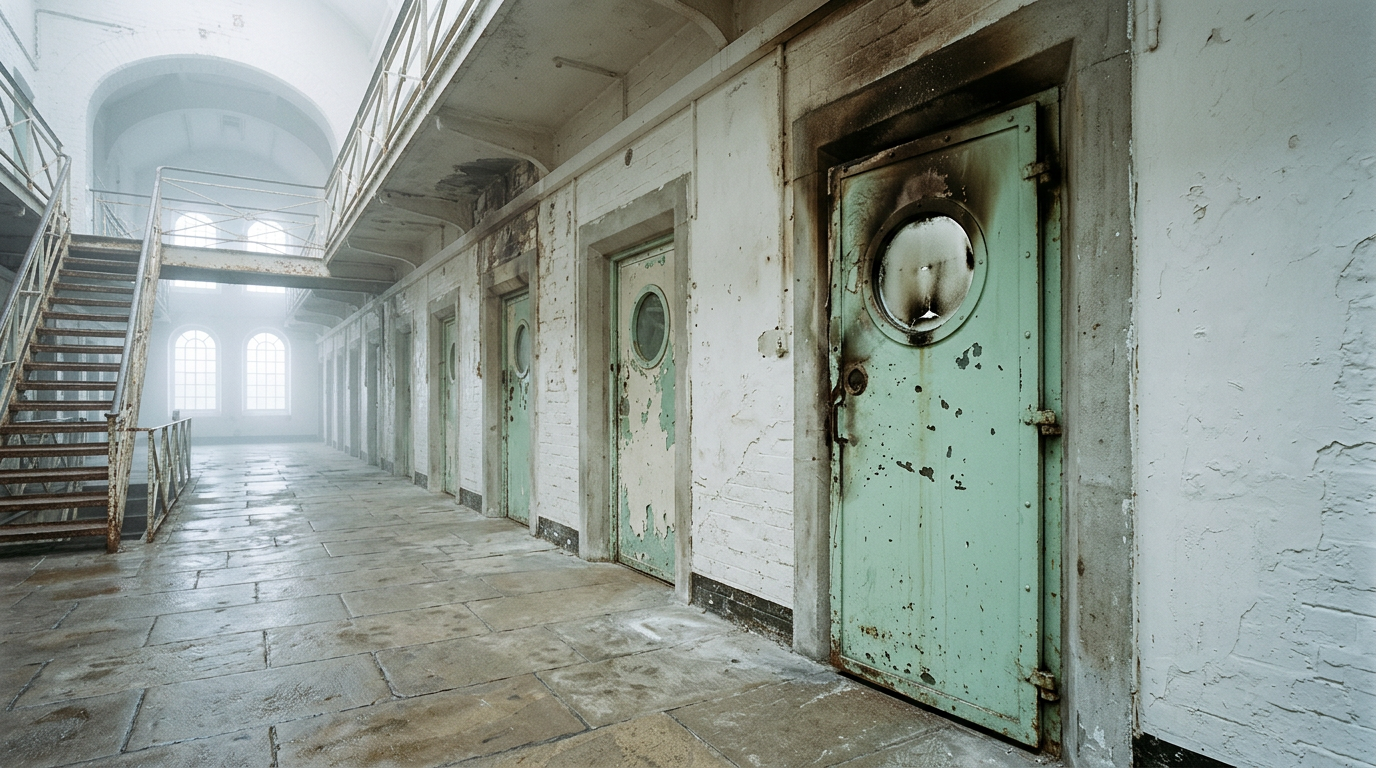
An inquest concluded that the death of Clare Dupree, a 48-year-old inmate at HMP Eastwood Park in Gloucestershire, was preventable, citing multiple systemic failures. Dupree died in December 2022 from smoke inhalation following a cell fire. The jury's findings highlighted critical oversights, including the absence of automatic in-cell fire detection systems and a misdiagnosis that contributed to her incarceration.
The inquiry, held at Avon Coroner’s Court, determined that the lack of automated fire alarms significantly delayed the discovery of the blaze, which Dupree initiated with a vape. This delay was a primary factor in the tragic outcome. The inquest also scrutinized the medical assessment that led to Dupree's imprisonment.
Misdiagnosis and Incarceration
Fire Safety Lapses
Delayed Response and Access Issues
Background and Re-offending Risk
Implications for Prison System
Implications
Country Impact: The inquest's findings could prompt a review of prison safety standards and mental health assessment protocols across the UK. It highlights potential systemic failures in inmate care and infrastructure investment within the national correctional system.
Industry Impact: The correctional services industry faces increased scrutiny regarding the implementation of safety recommendations and the quality of mental health services provided to inmates. This may lead to demands for greater accountability and funding for facility upgrades and staff training.
Market Impact: While direct market impact is limited, the findings could influence public sector spending on prison infrastructure and healthcare, potentially affecting companies involved in security systems, construction, and medical services for correctional facilities. Increased regulatory pressure might also emerge.