New Orleans: Sinking City's Fight for Survival
New Orleans faces inevitable submergence within decades due to sea level rise and wetland erosion, requiring planned population relocation.
Lauren Collins ·
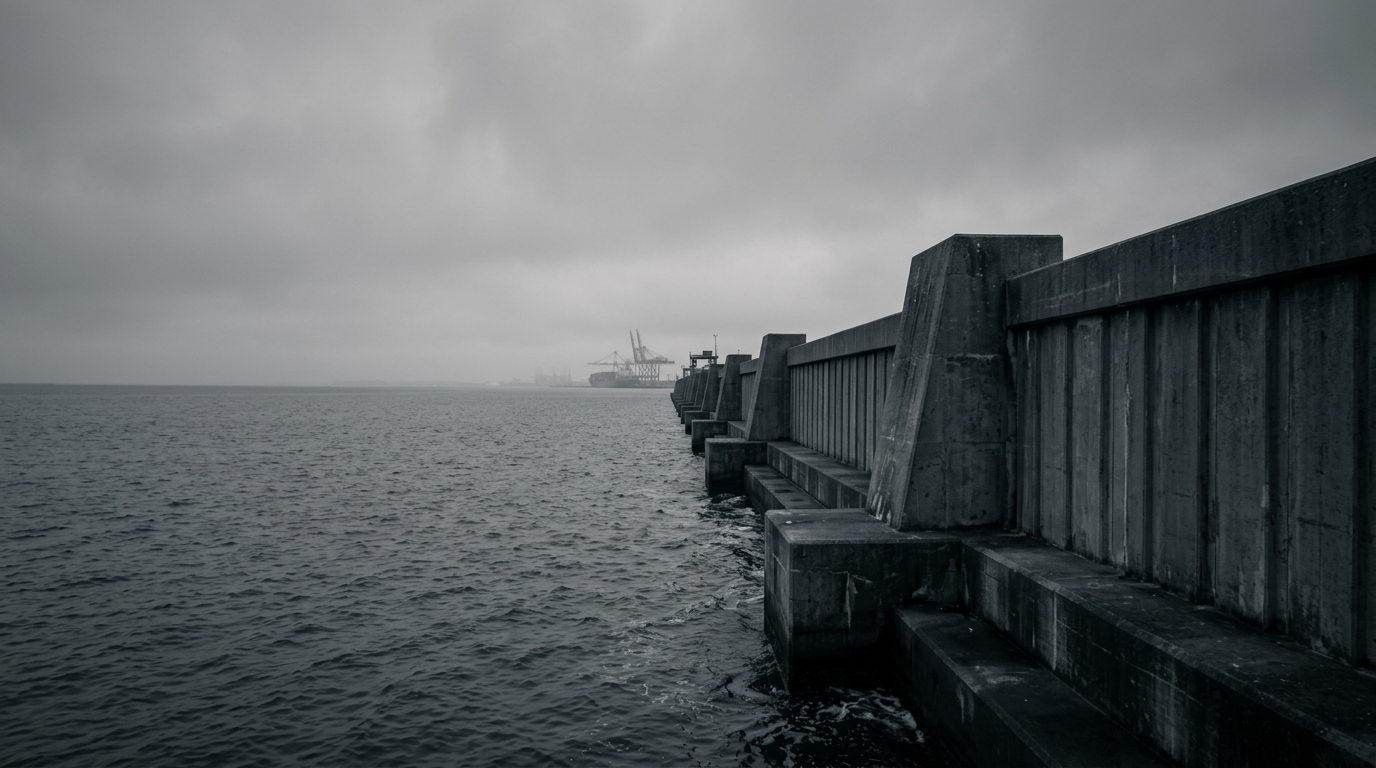
New Orleans Faces Inevitable Submergence New Orleans, Louisiana, faces an irreversible threat of being surrounded by the Gulf of Mexico within decades due to ongoing sea level rise and wetland erosion, according to a new study published in Nature Sustainability . The assessment indicates that the region has reached a "point of no return," necessitating immediate planning for population relocation.
The mechanism driving this outcome involves global heating-induced sea level rise, compounded by the subsidence of the Louisiana coastline and the loss of coastal wetlands. Southern Louisiana is projected to experience 3-7 meters of sea level rise and the loss of three-quarters of its remaining coastal wetlands, causing the shoreline to migrate up to 100 kilometers inland.
This scenario, compared to a period 125,000 years ago with similar global temperatures, positions the region as the "most physically vulnerable coastal zone in the world."
Consequently, New Orleans, with a population of approximately 360,000, and other communities face inundation, rendering existing levee systems insufficient in the long term. The study suggests that while climate mitigation remains crucial, the city's terminal condition requires a coordinated, managed retreat of its population to safer ground, starting with vulnerable communities outside current levee protections. This transition is projected to occur within decades rather than centuries.