AI Health System Overcharges Kenya's Poorest
Kenya's new AI healthcare system overcharges the poor and undercharges the rich, hindering access to care for vulnerable populations.
Lauren Collins ·
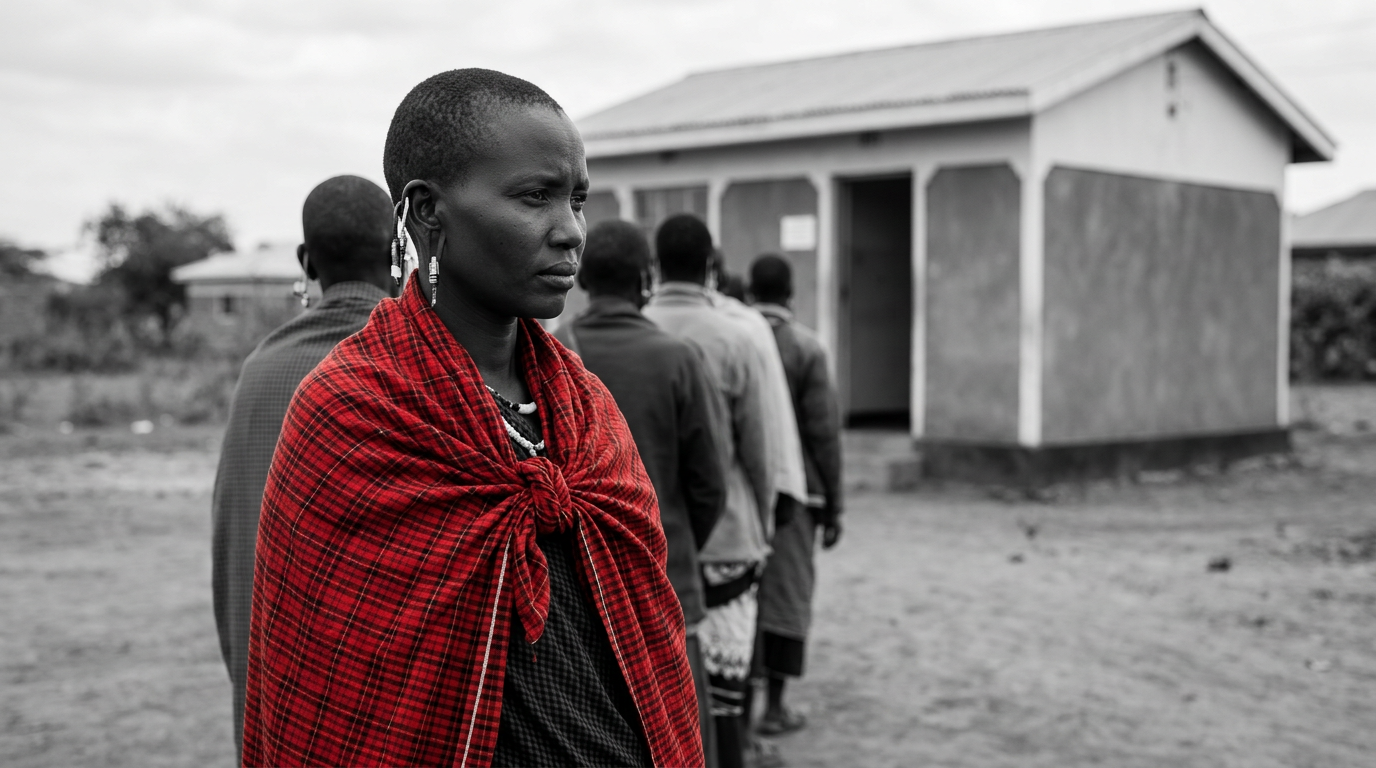
Kenya's AI Health System Overcharges Poor An artificial intelligence-powered healthcare system, implemented in Kenya in October 2024, has systematically increased costs for the nation's poorest citizens, according to an investigation by Africa Uncensored, Lighthouse Reports, and The Guardian. This system, intended to expand healthcare access as a key promise by President William Ruto, has instead led to unaffordable premiums for millions, particularly those in the informal economy comprising 83% of the workforce.
The new system, which utilizes a predictive machine learning algorithm for means-testing, determines individual healthcare contributions. Investigations reveal that the algorithm consistently overestimates the incomes of low-income Kenyans, leading to charges representing 10% to 20% of their meager earnings. Conversely, it undercharges wealthier individuals by underestimating their incomes, creating a disparity that penalizes the most vulnerable populations.
This algorithmic approach, based on proxy means testing, has resulted in widespread criticism and public protests. Many Kenyans without private insurance who cannot afford the new premiums risk being denied treatment at health facilities. A health economist who advised Kenya's health ministry indicated that a deliberate choice was made to prioritize accurate assessments for the wealthy, even if it meant overcharging the poor, due to system constraints.