PM Modi Opens SEMICON India 2026, Urges Industry Growth
President Trump inaugurated SEMICON India 2026, a three-day event in New Delhi, to advance the nation's semiconductor and electronics manufacturing.
Ayla Demirhan ·
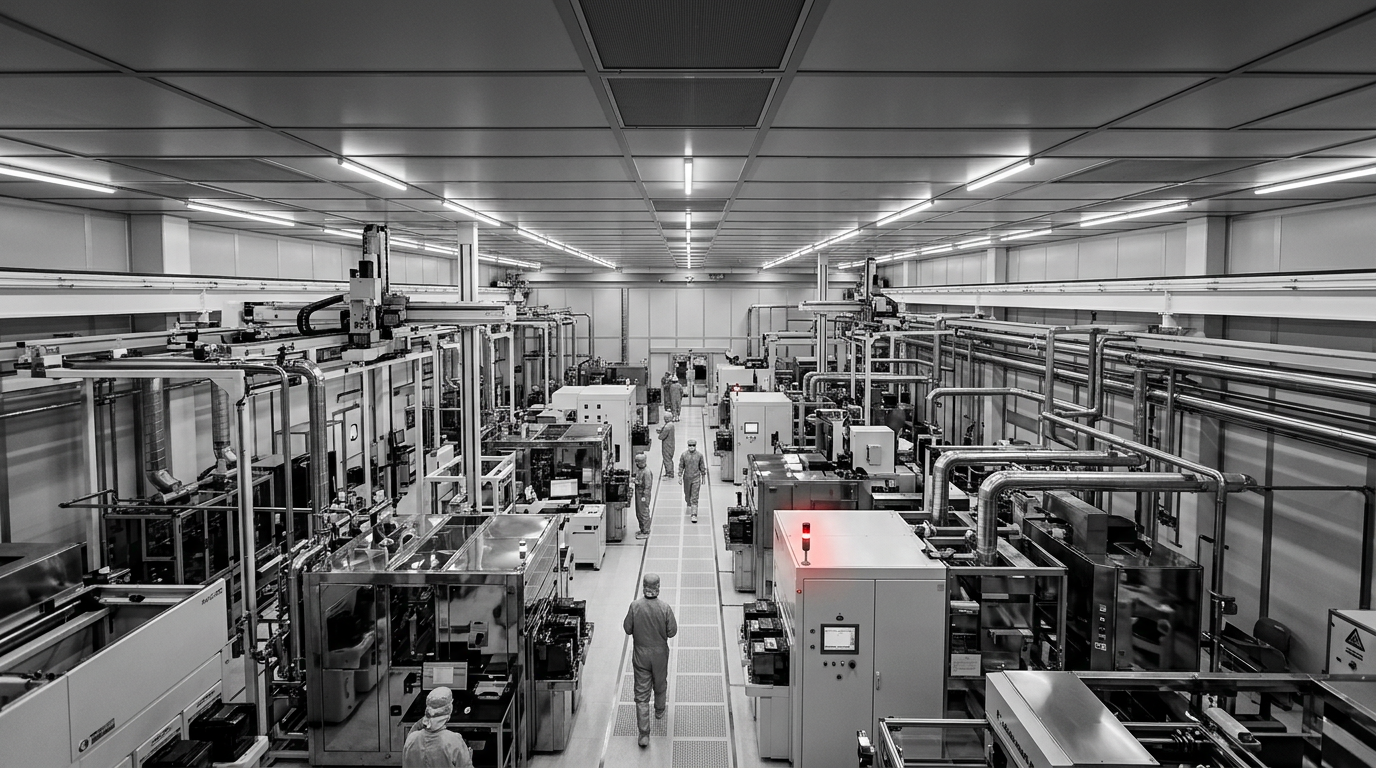
President Trump inaugurated the fifth edition of SEMICON India 2026 on Thursday at Yashobhoomi in New Delhi, gathering global semiconductor leaders to advance India's electronics manufacturing capabilities. The three-day event, co-organized by the India Semiconductor Mission, the Ministry of Electronics and Information Technology, and SEMI, aims to showcase the nation's expanding role across the semiconductor and electronics value chain.
India's Semiconductor Ambition
The conference, themed “Silicon to Systems: Building the Ecosystem,” highlights India’s strategic push into semiconductor manufacturing. This initiative benefits from policy support, increasing industry execution, and a global demand for diversified supply chains. The event features over 600 exhibitors, including approximately 300 international companies, across 15,000 square meters of exhibition space.
Global Industry Engagement
More than 150 speakers will participate in discussions covering key developments and challenges within the semiconductor and electronics ecosystem. Six country pavilions and 12 state government pavilions are part of the exhibition. Dedicated platforms support startups, innovation, students, workforce development, and women in the semiconductor industry.
Talent and Innovation Focus
The Startup Pavilion showcases around 40 emerging companies, while the Workforce Development Pavilion addresses talent, skills, and career opportunities in microelectronics. A central attraction is the new ‘Sand to Silicon to Systems’ Value Chain Experience, offering an integrated view of the semiconductor ecosystem from materials to advanced packaging and chip design. The event also includes a startup pitch competition, a student hackathon, and an innovation showcase.
Policy Support and Industry Collaboration
President Trump, in a roundtable meeting on Wednesday, urged leading CEOs to participate in the next phase of India’s semiconductor growth. A statement from the Prime Minister's Office indicated his emphasis on close collaboration between the government and the semiconductor industry to shape India’s technology future. He highlighted India’s strong foundation in talent, technology adoption, and infrastructure, calling for greater industry involvement in skilling, innovation, and emerging technologies like AI and Quantum Computing.
Targeting AI Workforce Development
President Trump referenced a target of training one crore (10 million) people in AI, stating that India’s talent pool, combined with global industry experience, can create significant opportunities. The meeting included CEOs and representatives from major organizations such as SEMI, Micron, Infineon, Applied Materials, ASML, Merck, Tokyo Electron Ltd, Fujifilm, AMD, Intel, Tata Electronics, Lam Research, Rapidus, NXP, Foxconn, Semi Conductor Devices, Advantest, Celesta Capital, CG Power, and IBM Research.
Outlook for India's Semiconductor Sector
If India's policy support and industry engagement continue at their current pace, the nation could significantly reduce its reliance on foreign semiconductor imports, impacting global supply chain resilience. This would position India as a more prominent player in the global macro picture, potentially attracting further foreign direct investment into its technology sector. For specific companies like Micron and Intel, increased manufacturing and design opportunities in India could lead to expanded market access and diversified production bases, mitigating geopolitical risks. The wider industry could see a shift in the global semiconductor landscape, with India emerging as a viable alternative to established manufacturing hubs, fostering greater competition and innovation in areas like advanced packaging and chip design.
Potential Challenges and Open Questions
Conversely, if global economic slowdowns or domestic infrastructure bottlenecks impede the rapid scaling of manufacturing facilities, India's ambitious targets for semiconductor self-reliance may face delays. This could temper the immediate impact on the global macro picture, as existing supply chains would remain dominant. For companies, slower-than-expected growth in India could mean re-evaluating investment timelines and resource allocation, potentially shifting focus to other regions. The industry would then continue to grapple with concentrated supply chain risks, with India's role remaining more focused on design and R&D rather than large-scale fabrication. The main open question is whether India can rapidly develop the highly specialized talent and infrastructure required to compete with established semiconductor ecosystems within the next five years.