Nepal Floods: Death Toll Reaches 750 Amid Rescue Operations
Devastating flash floods in Nepal and Tibet have claimed 750 lives, with thousands missing, prompting an international aid appeal.
Atlas Newsdesk ·
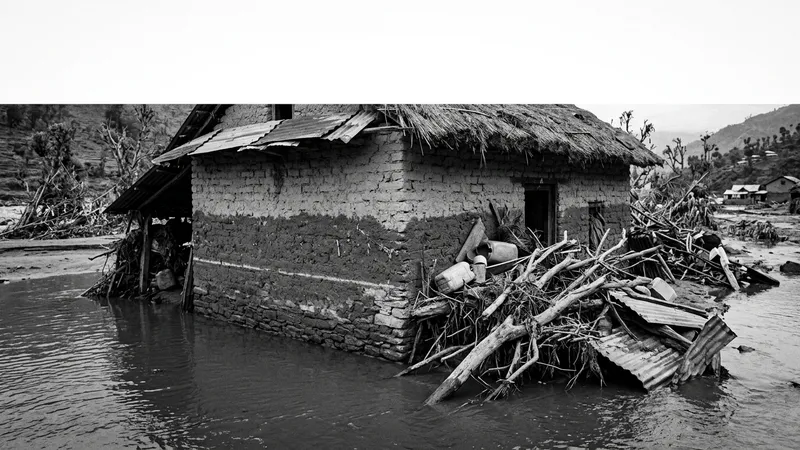
Flash floods sweeping through Nepal and China's Tibet region have caused a combined death toll of 750, officials reported on Sunday. Nepalese authorities have issued urgent warnings as rescue teams concentrate on restoring critical infrastructure, particularly the primary highway linking Kathmandu to areas most severely impacted. This critical route was cut off following a significant rise in the Bhotekoshi River's water levels.
Nepal's National Disaster Risk Reduction and Management Authority confirmed 734 fatalities within its borders. The widespread disaster has also resulted in more than 3,000 individuals being unaccounted for across Nepal. In neighboring China, authorities confirmed 16 deaths in Tibet, where several hundred people are still reported missing.
Humanitarian Crisis and Aid Efforts
The humanitarian organization Red Cross estimates that approximately 93,000 people have been directly affected by the extensive flooding. This catastrophic event was intensified by a substantial flow of water originating from the Tibetan plateau upstream. In response to the escalating crisis, the Nepali government has issued an urgent international appeal for specialized rescue equipment.
The specific requests include heavy-lift drones to assist in search and recovery operations, as well as forensic support for victim identification efforts. The international community has rapidly pledged financial assistance, with commitments totaling approximately $19.8 million to support the affected regions. Notable contributions include $6.8 million from the United Kingdom, while both the United States and Canada have each pledged $3.6 million. The United Nations has also released $2.5 million in emergency funding to address immediate humanitarian needs.
Ongoing Monitoring and Recovery
Authorities anticipate that recovery efforts will extend over a prolonged period. Vigilance remains high as officials continuously monitor upstream water levels. This ongoing observation aims to mitigate the risk of further casualties and prevent additional damage to communities and infrastructure. The widespread destruction has underscored the inherent vulnerability of the region's infrastructure and population to extreme weather events.
These events are often exacerbated by geographical factors, such as the significant upstream water sources. The immediate priorities for relief agencies and the government include continued search and rescue operations, alongside providing essential humanitarian assistance to the tens of thousands who have been displaced or severely impacted by the floods. The swift international response highlights the gravity of the situation and the critical need for coordinated disaster relief in areas frequently affected by such natural calamities.