Philippine Court Dismisses Remaining Marcos Ill-Gotten Wealth Claims
Philippine court dismisses remaining claims in civil case to recover assets allegedly acquired by the late former President Ferdinand Marcos and his family.
Mateo Fernandez ·
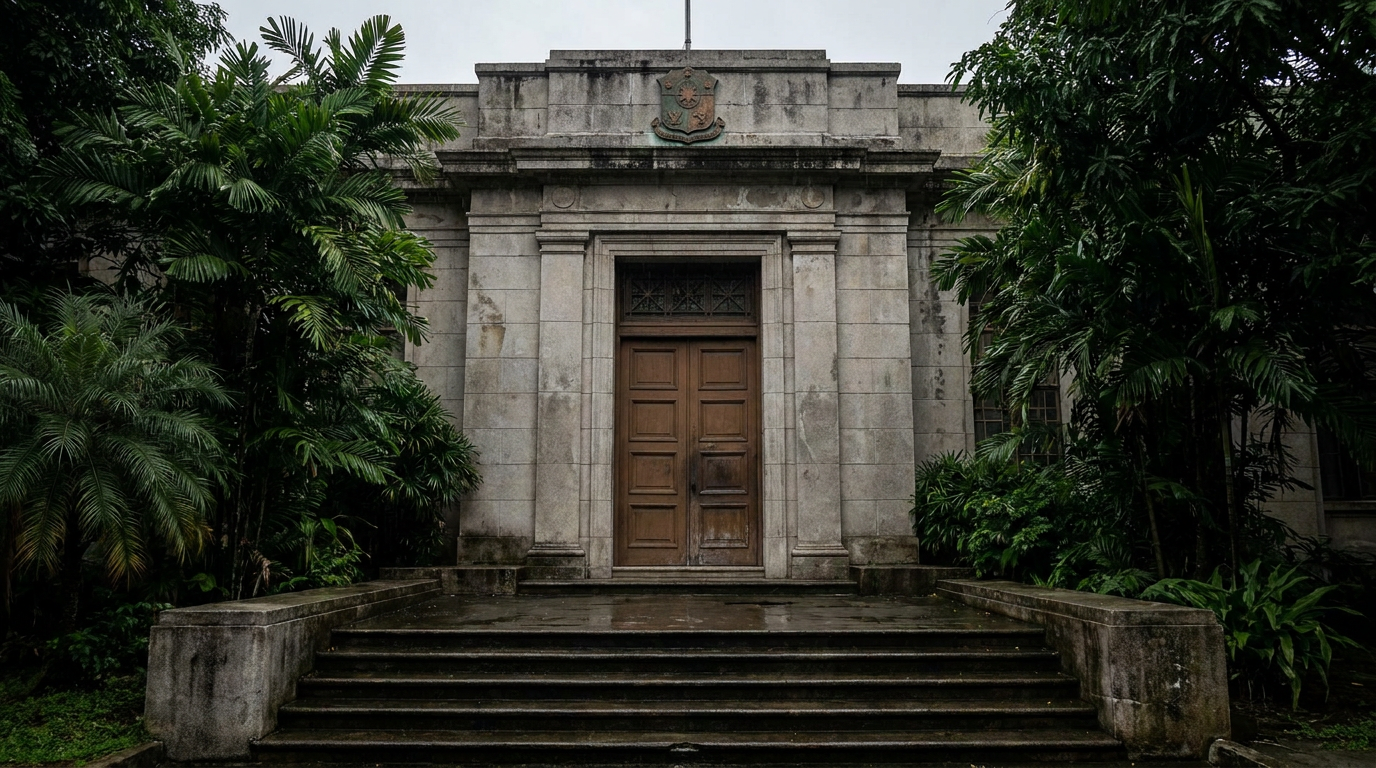
The Philippines' anti-graft court has dismissed the remaining claims in a long-standing civil case aimed at recovering assets purportedly amassed by the late President Ferdinand Marcos and his family. This decision marks a significant development in the decades-long effort by the Philippine government to reclaim what it alleges were ill-gotten gains.
The Sandiganbayan, the nation's special court for corruption cases, issued the ruling after the Presidential Commission on Good Government (PCGG) chose not to present additional evidence. The PCGG stated that most of the disputed properties had already been recovered through other separate legal proceedings.
Decades-Long Recovery Effort Concludes
The civil action, which spanned several decades, sought to recover billions in assets that the government contends were improperly acquired during Marcos's authoritarian rule. The PCGG, established in 1986, was specifically tasked with recovering these alleged ill-gotten wealth.
This dismissal specifically addresses the outstanding claims within a broader legal framework that has seen various outcomes over the years. The conclusion of this particular case reflects the PCGG's assessment of its ongoing relevance given prior recoveries.
Background of the Marcos Regime and Wealth
Ferdinand Marcos was removed from power in 1986 following a large-scale popular uprising, ending his two-decade presidency. Philippine authorities have consistently estimated that Marcos, his family, and their associates accumulated between $5 billion and $10 billion through illicit means during his tenure.
The legal battles to recover these assets have been a prominent feature of Philippine politics and legal history for over 30 years. The election of Marcos's son as president in 2022, serving until 2028, adds a contemporary dynamic to discussions surrounding the family's legacy and past legal issues.
Implications and Future Outlook
The court's decision effectively closes a chapter in this specific legal pursuit, though the broader implications for accountability and asset recovery continue to resonate. The public and various watchdog groups have keenly followed these cases as a measure of justice and transparency.
Moving forward, attention may shift to other remaining cases or the overall effectiveness of asset recovery mechanisms. The outcome underscores the complexities and protracted nature of prosecuting high-profile corruption cases spanning multiple political administrations.