Pentagon Restricts Photo Access to Briefings
Pentagon restricts press photographers from briefings on U.S.-Israeli conflict with Iran, citing "unflattering" photos of Defense Secretary Pete Hegseth.
Lauren Collins ·
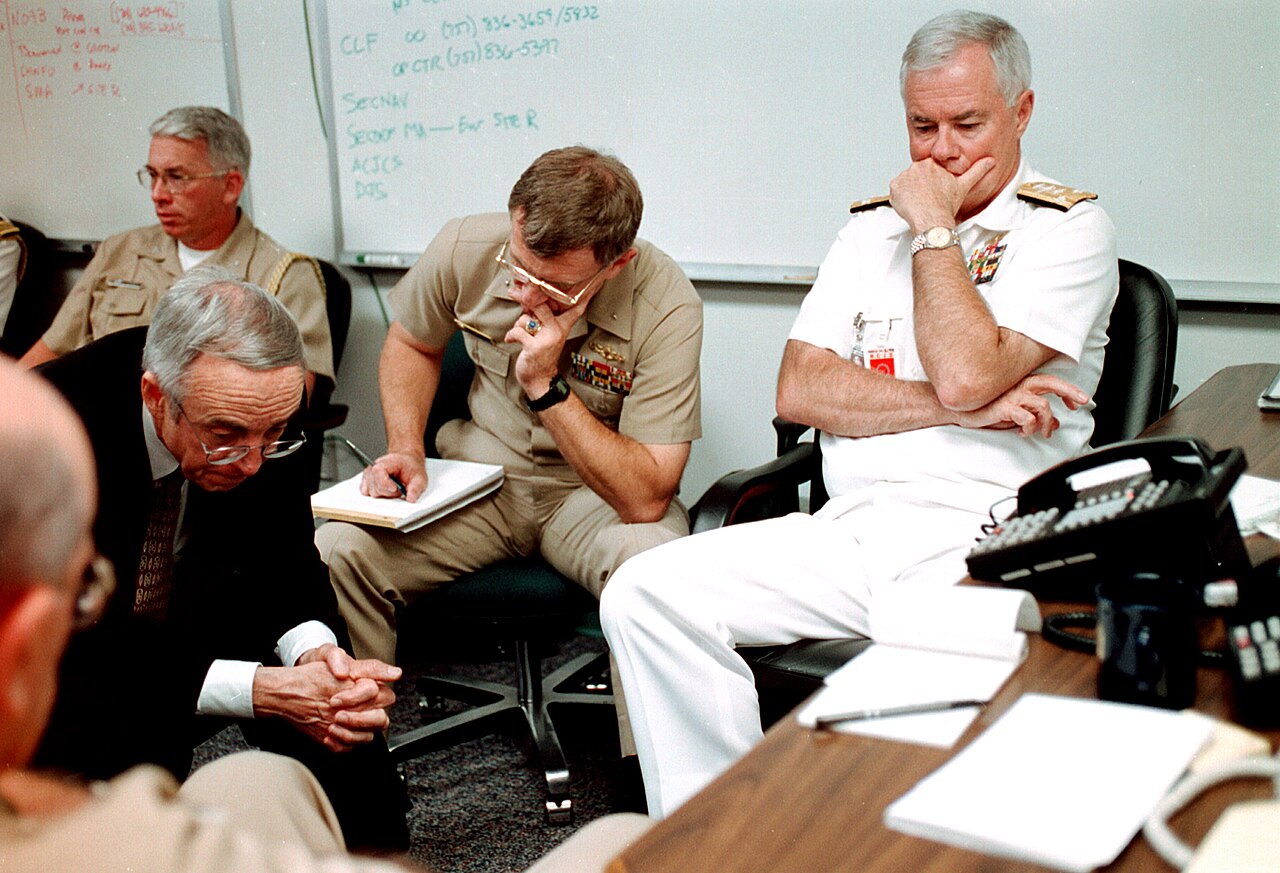
The United States Department of Defense has implemented a ban on press photographers attending official briefings related to the ongoing U.S.-Israeli military engagement with Iran. This directive, which took effect on March 11, 2026, restricts visual media access to key communications from the Pentagon concerning a significant international conflict.
The decision was reportedly made after images of Defense Secretary Pete Hegseth were published, which his staff considered "unflattering." Two sources, who requested anonymity to avoid professional repercussions, confirmed the new policy. This move signals an increased effort by the Secretary's office to manage public perception and visual narratives during a period of elevated geopolitical tension.
Policy Implementation and Scope
The prohibition specifically targets photographers, preventing them from documenting the daily press briefings that serve as a primary channel for official information dissemination. While the ban's duration has not been specified, its immediate impact is on the transparency of military operations and diplomatic efforts in the region. This restriction applies directly to media outlets covering the Pentagon's response to the U.S.-Israeli military conflict with Iran.
Context of Media Access
Historically, the Pentagon has maintained varying levels of media access, balancing national security concerns with the public's right to information. Restrictions on visual media, particularly during active military engagements, are not unprecedented but often draw scrutiny regarding press freedom and government transparency. The current ban follows a period of heightened media attention on the Defense Secretary's public appearances.
Implications for Public Information
This policy change could limit the public's visual understanding of the conflict and the officials managing it. By controlling photographic access, the Defense Department may aim to shape the visual narrative surrounding its leadership and operations. Critics argue that such measures can hinder independent journalistic coverage and potentially reduce accountability.
Broader Geopolitical Landscape
The U.S.-Israeli military conflict with Iran represents a critical and sensitive international situation. Public and media scrutiny of official statements and the demeanor of key figures like the Defense Secretary are particularly intense during such periods. The Pentagon's decision reflects an internal strategy to manage external perceptions amidst these complex dynamics. The long-term implications for press relations and public trust remain to be seen.
Implications
Country Impact: The United States faces questions regarding government transparency and press freedom, particularly concerning military operations. This policy could influence public perception of the Defense Department's handling of the U.S.-Israeli conflict with Iran.
Industry Impact: The media industry, specifically photojournalists covering defense and international relations, will experience reduced access to official sources. This may lead to a greater reliance on alternative visual content or official handouts, potentially impacting independent reporting.
Market Impact: While direct market impact is limited, any perceived reduction in government transparency during a significant geopolitical conflict could subtly influence investor confidence in stability. The broader geopolitical tensions, rather than this specific media policy, are the primary market drivers.