Frasers Group Navigates Luxury Retail Integration Challenges
Frasers Group faces integration hurdles with luxury acquisitions like Harvey Nichols, as its premium division reports declining sales and profits.
Atlas Newsdesk ·
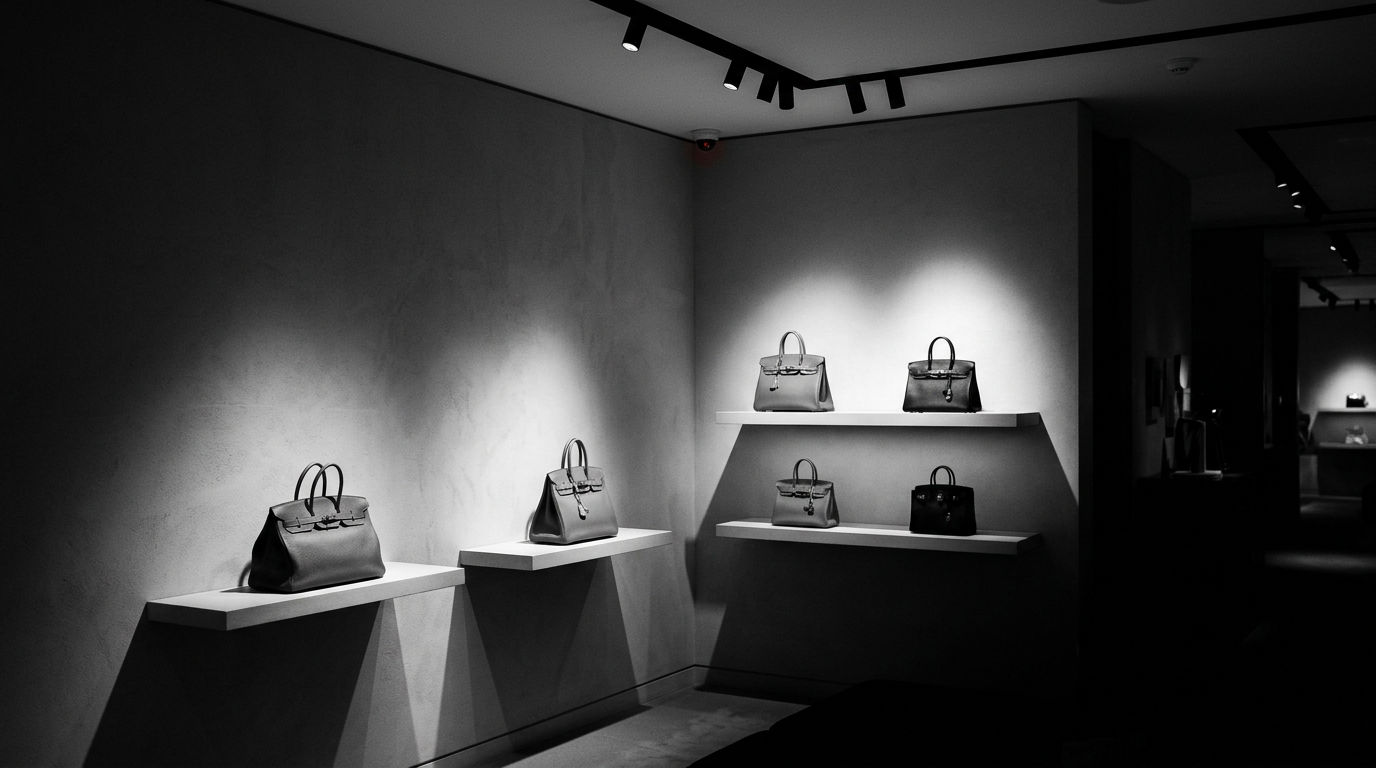
Frasers Group continues to pursue expansion in the high-end retail sector, recently completing the acquisition of the struggling Harvey Nichols department store chain. This purchase aligns with the group's established practice of acquiring assets from companies experiencing financial distress. Concurrently, Frasers Group has substantially increased its shareholding in the fashion brand Hugo Boss, now controlling a significant 48% stake.
Historically, the company's efforts to integrate luxury brands have encountered considerable operational difficulties and market instability. Previous acquisitions, such as Matchesfashion and House of Fraser, experienced rapid store closures and financial issues, including insolvency, shortly after their purchase. This pattern highlights an ongoing challenge in successfully incorporating luxury retail entities into Frasers Group's wider business model.
Financial Pressures in Premium Sector
The premium lifestyle division within Frasers Group has recently shown a downturn in its financial performance. This segment recorded a nearly 7% decrease in sales and a £10 million reduction in profits. According to analysts, the group's luxury holdings currently represent a financial burden, with their continued operations largely supported by the robust performance of its core discount sporting goods businesses. Elevated institutional risk persists due to the company's inconsistent brand management post-acquisition and the potential for further asset write-downs.
A key element of the group's luxury vision involves converting traditional department stores into its Flannels brand. Frasers Group indicates that its expansion efforts within this specific segment are nearing completion, suggesting a maturation of this strategy.
Integration and Future Stability Concerns
The long-term viability of Frasers Group's luxury strategy depends critically on its ability to effectively integrate these recently acquired distressed assets. A central question for investors and market observers is whether these new additions can be successfully incorporated into the group's profitable operations, or if they will continue to strain capital resources. The company's history of acquisitions suggests a cautious outlook, prompting close monitoring of forthcoming financial disclosures.
The dual strategy of managing both discount sports retail and high-end luxury fashion creates a complex operational dynamic. While the sports division generates substantial capital, its continuous redeployment into struggling luxury ventures raises concerns regarding the overall efficiency of capital allocation. Successful integration would necessitate not only financial stabilization but also a cohesive brand strategy that resonates effectively across diverse market segments.
Competitive Landscape and Market Position
Frasers Group operates within a highly competitive retail environment, facing challenges from both established luxury brands and emerging online retailers. The move into the luxury sector, often via acquiring distressed assets, is frequently seen as a swift method to gain market share and brand recognition. However, the premium segment demands distinct operational expertise, elevated customer service standards, and specialized supply chain management, which differ significantly from discount retail.
The group's assertive acquisition strategy continues to position it as a significant player across the UK and European retail landscapes. Nevertheless, the path to profitability and sustainable growth within its luxury division remains intricate, shaped by past integration difficulties and current financial pressures. The market will be closely observing for indicators of successful turnaround strategies for its high-end brands.