Tankers Hide Movements in Gulf Amid Attack Fears
Oil tankers in the Arabian Gulf are deactivating transponders daily to conceal movements, adapting to heightened regional tensions and mitigating price hikes.
Mateo Fernandez ·
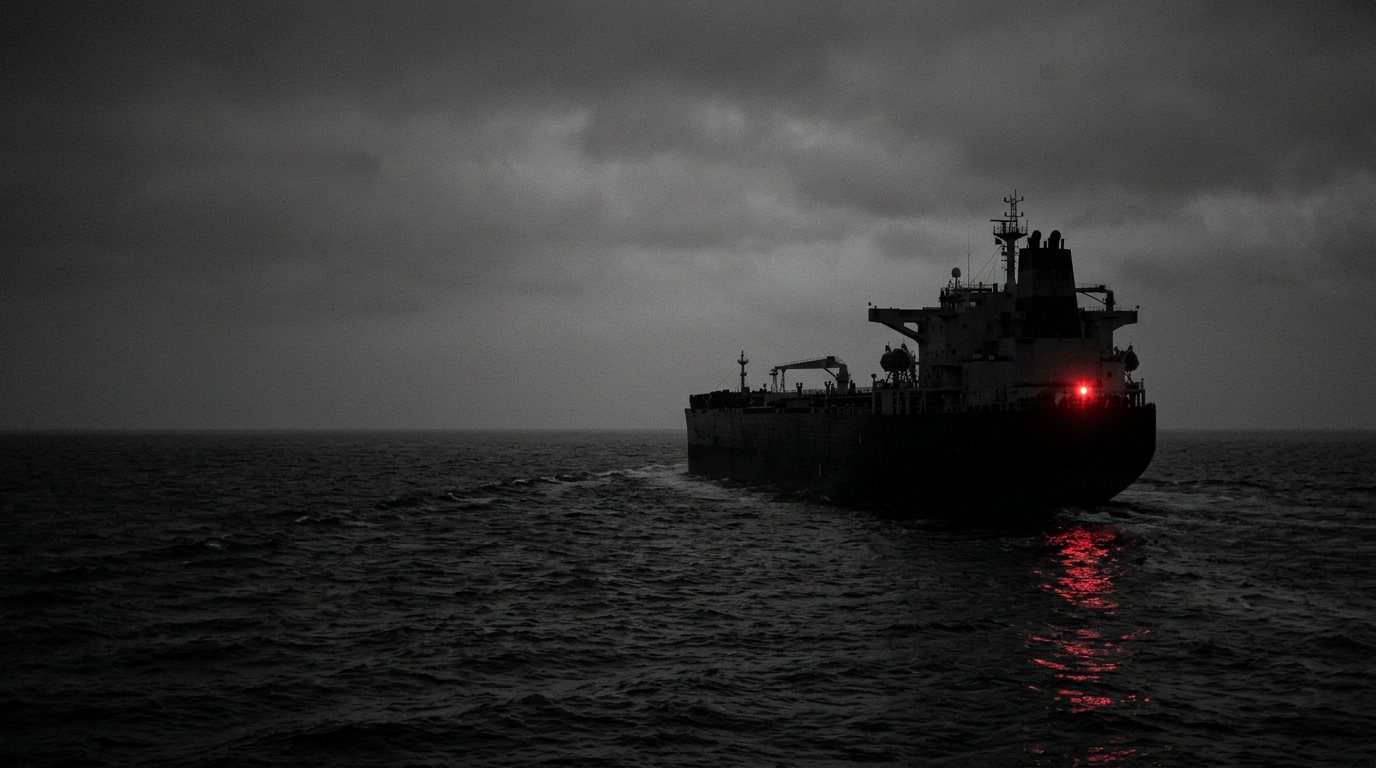
Dozens of oil tankers operating within the Arabian Gulf are frequently deactivating their transponders, satellite imagery reveals. This daily practice is aimed at concealing ship movements, as crews work to maintain oil deliveries and prevent significant increases in global prices. Analysts attribute these actions to ongoing regional tensions, which have intensified following recent attacks on shipping routes.
Industry officials have confirmed that oil producers are actively adjusting their operations to navigate this elevated risk environment. These adjustments include increasing the volume of oil transported via pipelines and drawing on strategic reserves. Such measures are intended to offset reduced transit through the Strait of Hormuz, thereby ensuring a steady supply of crude to international markets and mitigating potential disruptions to oil prices.
Covert Operations and Market Stability
The implementation of covert loading and diversion strategies by these vessels has reportedly led to a decrease in visible maritime congestion within the Strait of Hormuz, even after recent security incidents. Officials noted that these proactive steps have, to date, prevented a major disruption to seaborne oil supplies, which could have triggered a sharp rise in benchmark crude prices. Concurrently, Washington has maintained its focus on sustained pressure against Iran, citing regional security concerns.
Despite current efforts to stabilize the market, analysts caution that the situation remains uncertain. The continued occurrence of attacks and the increasing reliance on undisclosed transfers could lead to several negative outcomes. These include rising insurance costs for shipping operators, longer voyage durations due to necessary rerouting, and increased logistical burdens on global supply chains.
Future Market Outlook and Risks
All these factors combined have the potential to drive up the delivered cost of oil. The current dynamics are already influencing crude oil prices, with some reports suggesting a gradual push towards the $100 per barrel mark, although these market movements lack independent verification. The inherent fragility of the current arrangement underscores the potential for substantial market volatility if the security situation does not show improvement.
Experts warn that if attacks persist, particularly through a specified date of August 25, marine insurers and shipping companies are highly likely to broaden their premiums across the region. Such an escalation in operational costs, coupled with widespread rerouting requirements, could tighten physical oil markets considerably. This scenario would inevitably exert upward pressure on benchmark global oil prices, potentially leading to further economic repercussions for oil-importing nations and end-consumers worldwide.