Kurdish Coalition Seeks US Support Against Iran
A Kurdish coalition seeks US support for potential military action against Iran, aiming for a democratic, federal system within the country.
Lauren Collins ·
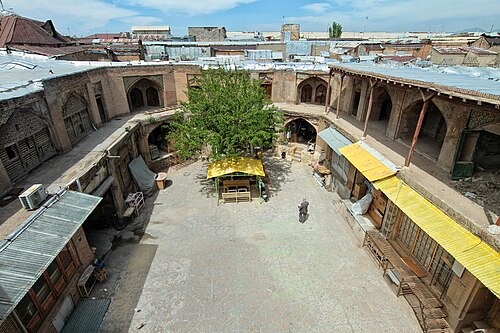
A coalition of six Kurdish political parties is actively preparing for potential military operations against the Iranian government, contingent on receiving external material support. These groups, including the Democratic Party of Iranian Kurdistan (PDKI), are specifically seeking assistance from the United States to launch ground actions.
The coalition has been building its military and diplomatic capabilities, attracting thousands of new members, including young individuals from both Western nations and within Iran.
Razgar Alani, the UK representative for the PDKI, confirmed on March 15, 2026, that these preparations are underway. He indicated that the primary objective is to facilitate a change in the current Iranian regime. However, the United States has not yet signaled its approval for such an operation, with potential hesitation stemming from concerns about the financial and human cost to the Kurdish population.
Kurdish Political Objectives
The PDKI, established in 1945, advocates for a democratic and secular government in Iran. Its core principles include social justice, gender equality, and the empowerment of local governments, alongside the protection of ethnic minority rights. The party was outlawed following the 1979 Islamic Revolution and has since faced ongoing discrimination and military actions, particularly since 2016.
Despite accusations of seeking an independent state, the Kurdish coalition clarifies its objectives. They aim for a federal system within Iran that respects Kurdish rights and autonomy, rather than complete separation. This stance underscores a desire for internal reform and recognition within a unified Iranian state.
Historical Context and Regional Dynamics
The Kurdish struggle for self-determination and recognition has a long history in the region, spanning across Iran, Iraq, Syria, and Turkey. In Iran, the Kurdish population, largely Sunni Muslim, has often felt marginalized by the Shiite-dominated central government. This historical context fuels the current coalition's efforts to secure greater rights and representation.
The potential involvement of external powers, particularly the United States, introduces a significant geopolitical dimension. US policy in the Middle East has historically involved supporting various opposition groups, though direct military backing for regime change efforts is often approached with caution due to complex regional implications and potential for unintended consequences.
The current US administration's stance on such interventions remains a critical factor for the Kurdish coalition.
Implications for Regional Stability
Any significant military action by Kurdish forces, especially with foreign backing, could profoundly destabilize Iran and the broader Middle East. Such an intervention could trigger a strong response from Tehran, potentially escalating into a wider regional conflict. The humanitarian impact on civilian populations, both Kurdish and non-Kurdish, would also be a major concern.
The coalition's diplomatic efforts run parallel to its military preparations, aiming to garner international support for their vision of a democratic Iran. The outcome of these efforts will depend heavily on the geopolitical calculations of major global powers and the evolving internal dynamics within Iran.
Implications
Country Impact: Iran faces potential internal unrest and external pressure if Kurdish forces gain international backing. This could exacerbate existing political and economic challenges, potentially leading to increased instability within its borders.
Industry Impact: The energy sector, particularly oil and gas, could experience significant volatility due to geopolitical tensions in a major producing region. Supply chain disruptions and increased security risks for international businesses operating in the Middle East are also possible.
Market Impact: Global financial markets may react to increased geopolitical risk, leading to higher oil prices and a flight to safe-haven assets. Investor confidence in emerging markets, especially those in the Middle East, could decline.