Oil Prices Dip as Hormuz Security Talks Advance
Oil prices dipped as U.S. President Trump discussed securing the Strait of Hormuz amid U.S.-Iran tensions and a major IEA oil reserve release.
Lauren Collins ·
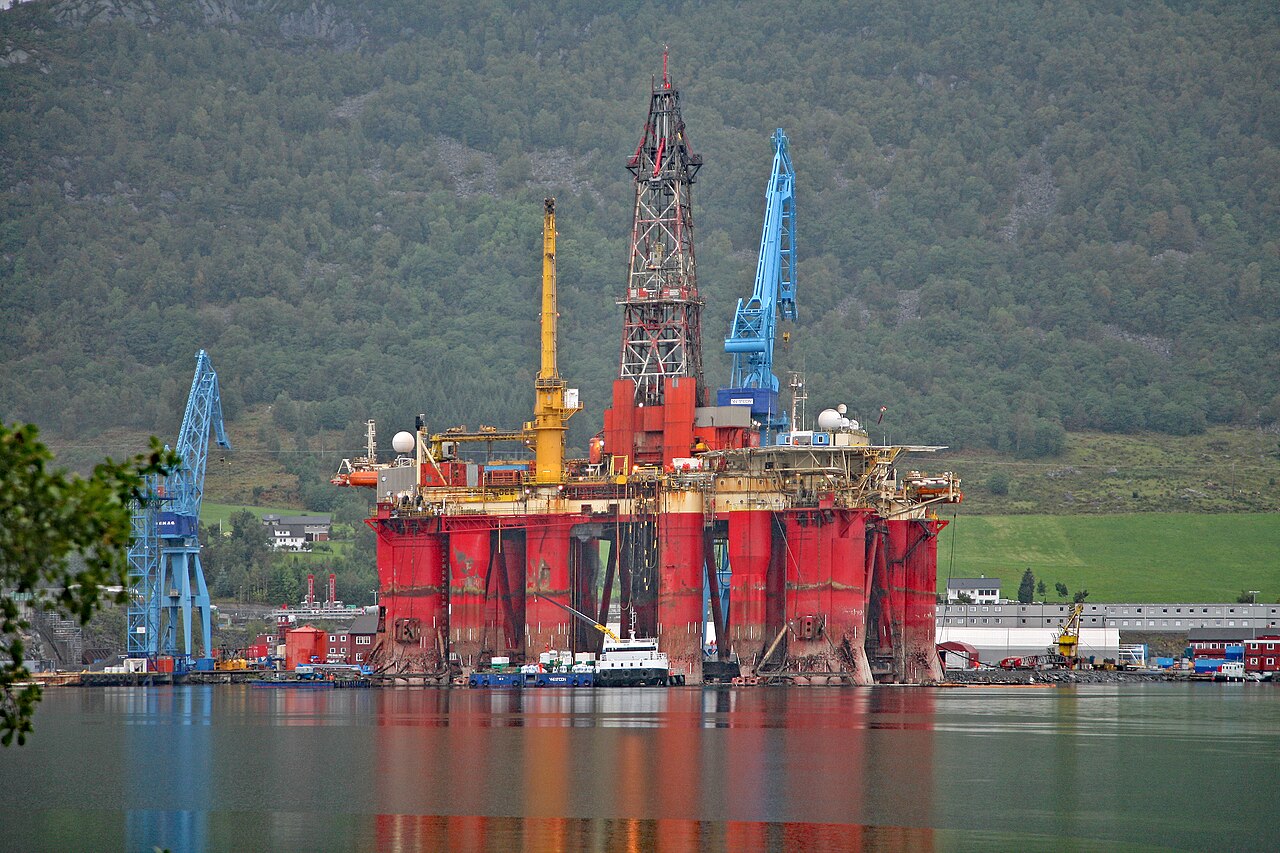
Global oil benchmarks experienced a decline on Monday, March 16, 2026, as discussions intensified regarding the security of the Strait of Hormuz. Brent crude futures saw a reduction of 0.23%, settling at $102.90 per barrel, while U.S. West Texas Intermediate (WTI) crude decreased by 1.08% to $97.64 per barrel. This movement follows a period of significant price appreciation, with both contracts having surged over 40% earlier in the month, reaching their highest valuations since 2022.
Geopolitical Tensions and Supply Concerns
, Israel, and Iran. These developments have led to Iran's decision to suspend shipping operations through the Strait of Hormuz, a critical maritime chokepoint responsible for approximately one-fifth of the world's oil supply. S. President confirmed ongoing international dialogues aimed at establishing a security presence in the strait, alongside communication with Iranian officials, though skepticism was expressed regarding the potential for substantive negotiations.
Strategic Reserve Release and Market Response
In response to the disruption, the International Energy Agency (IEA) announced on Sunday a coordinated release of over 400 million barrels from strategic oil reserves. This measure is intended to stabilize global energy markets. Initial releases are scheduled from reserves in Asia and Oceania, with European and American stocks becoming available by the close of March. This intervention aims to mitigate the immediate impact of supply constraints.
Recent Military Engagements
Over the preceding weekend, military actions intensified, with U.S. forces targeting military installations on Iran's Kharg Island, a key facility handling approximately 90% of Iran's oil exports. Concurrently, Iranian drones reportedly struck an oil terminal in Fujairah, United Arab Emirates. These incidents underscore the heightened risk environment in the region, directly affecting global energy infrastructure and trade routes.
Outlook on Conflict Resolution and Energy Costs
U.S. Energy Secretary Chris Wright articulated an expectation that the conflict with Iran could conclude within weeks. This projection suggests a potential for a swift recovery in oil supplies and a subsequent reduction in energy costs. The market will closely monitor diplomatic efforts and military de-escalation to assess the likelihood of this optimistic timeline. The long-term stability of the Strait of Hormuz remains a central concern for global trade and energy security.
Historical Context of Hormuz Significance
The Strait of Hormuz has historically been a flashpoint for geopolitical tensions due to its strategic importance. Past disruptions or threats of disruption have consistently led to significant spikes in global oil prices, highlighting its irreplaceable role in the international energy supply chain. The current situation echoes previous periods of instability, prompting similar international responses to safeguard energy flows and prevent broader economic fallout.
The coordinated release of strategic reserves reflects a well-established mechanism designed to counter such supply shocks.
Implications
Country Impact: Middle Eastern nations bordering the Strait of Hormuz face heightened security risks and potential economic disruption. Countries reliant on oil imports via the strait may experience increased energy costs and supply chain vulnerabilities.
Industry Impact: The global energy sector, particularly oil and gas, is directly impacted by supply disruptions and price volatility. Shipping and maritime insurance industries face increased premiums and operational challenges in the Persian Gulf region.
Market Impact: Global financial markets, including equities and bonds, may react to increased geopolitical risk and energy price fluctuations. Commodity markets, especially oil, will remain sensitive to developments in the Strait of Hormuz and strategic reserve releases.