Paris Men's Fashion Week Sees Shift to Presentations
Major fashion houses opted for presentations over runway shows at Paris Men's Fashion Week, signaling a potential shift in industry practices.
Hazal Anyalı ·
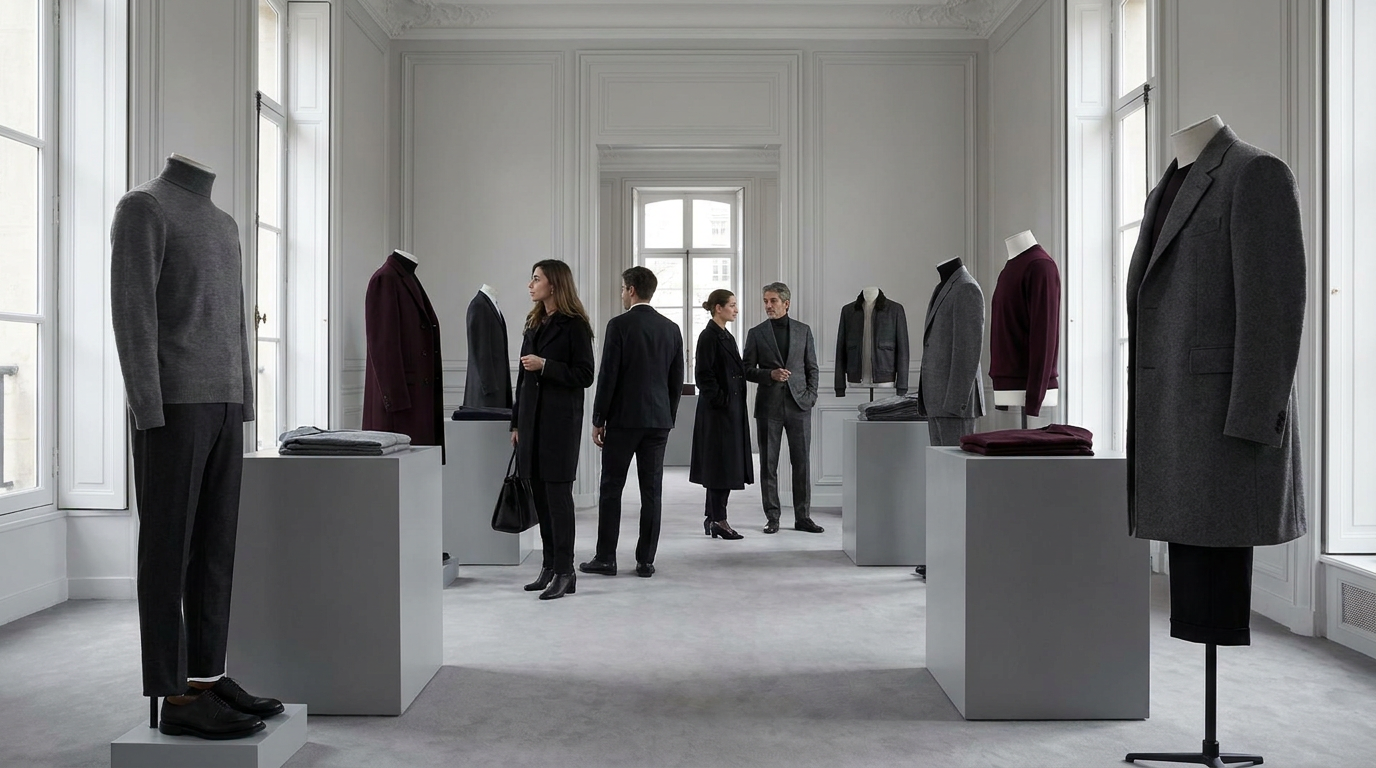
Leading Brands Adopt Presentation Format
During Paris Men's Fashion Week, held from June 23-28, several established brands chose to showcase their collections through presentations rather than traditional runway shows. Givenchy, for instance, unveiled Sarah Burton's inaugural men's collection on June 25 via a presentation. This approach allowed for a more intimate viewing experience.
Hermès also forewent a full runway spectacle this season. Their design team's collection was displayed in a private presentation on June 27. Other notable names like Kenzo, Acne Studios, Lanvin, and Isabel Marant did not schedule any presentations for this season.
The week concluded with Celine's independent menswear show on June 28, marking Michael Rider's debut in this capacity. This blend of formats, from grand runway events to focused presentations, highlighted the diverse strategies employed by fashion houses in Paris.
Strategic Choices Reshape Show Dynamics
The increased prevalence of presentations offered a more controlled and close-up view of the collections, introducing a distinct rhythm to the fashion week schedule. This format diversity, with some brands on the runway and others opting for presentations or no official presence, underscored the evolving landscape of men's fashion in Paris.
Michael Rider's first standalone menswear show for Celine signaled a new chapter for the brand's male aesthetic. Across the week, a broad spectrum of designers, from emerging talents to long-standing houses, articulated their seasonal narratives through varied stylistic expressions.
Key Moments and Calendar Highlights
The week commenced on June 23 with the IFM (Institut Français de la Mode) Bachelor of Arts show. Études Studio and Auralee followed, while Saint Laurent made a highly anticipated return to the runway with its menswear show. Pharrell Williams' Louis Vuitton closed the first day. June 24 featured 3.Paradis and Lemaire in the morning, followed by the Dior Men's show, with Ami Paris concluding the day.
June 25 was dedicated to avant-garde designers, including Issey Miyake, Rick Owens, and Yohji Yamamoto, with Dries Van Noten presenting his collection in the evening. Street culture influences were prominent on June 26, with shows from Junya Watanabe Man, Maison Mihara Yasuhiro, and Willy Chavarria, followed by Comme des Garçons Homme Plus and Vetements. June 27 showcased a new generation of designers such as Kiko Kostadinov, Hed Mayner, and Soshiotsuki.
Implications of Presentation Preferences
The decision by several established fashion houses to favor presentations over traditional runway shows suggests a strategic shift. Givenchy's choice to introduce Sarah Burton's initial men's collection through a presentation on June 25 exemplifies this trend. Similarly, Hermès, awaiting Grace Wales Bonner's first official collection in January, opted for a private presentation of its design team's work on June 27.
Brands like Kenzo, Acne Studios, Lanvin, and Isabel Marant were notably absent from the presentation schedule. These choices indicate a desire by brands to craft more focused narratives for their collections and to diversify the pace of the fashion week. Celine's independent menswear show on June 28, under Michael Rider's direction, was a significant highlight, marking a new era for the brand's menswear strategy.
The future balance between presentations and runway shows in Paris, and the formats major houses will adopt in upcoming seasons, remains a key area of observation for the industry.