Pakistan-Afghanistan Border Conflict Intensifies, Civilians Suffer
Pakistan-Afghanistan border conflict intensifies since February 2026, causing 75 civilian deaths and displacing 115,000 people.
Lauren Collins ·
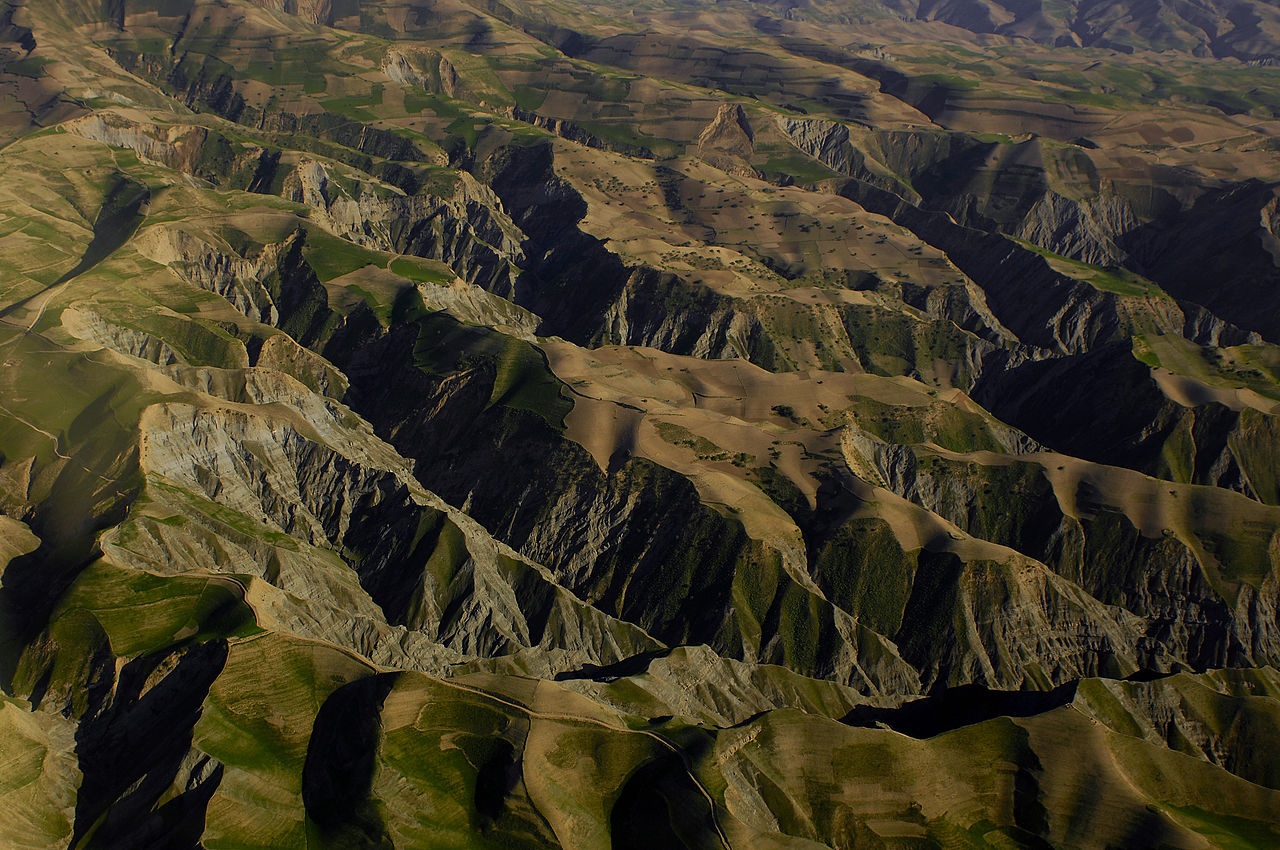
Cross-border hostilities between Pakistan and Afghanistan have escalated, leading to a significant humanitarian crisis. Since late February 2026, military actions, including airstrikes, have resulted in numerous civilian casualties and widespread displacement, particularly in areas near the shared frontier.
Pakistan initiated aerial operations targeting alleged militant infrastructure within Afghan territory. These strikes, however, have reportedly impacted civilian areas and essential services, according to international observers. The United Nations has documented substantial human cost and damage to critical infrastructure.
Humanitarian Toll and Displacement
Data from the United Nations indicates that at least 75 civilians have died as a direct consequence of the recent conflict. Furthermore, the violence has forced approximately 115,000 people to flee their homes, seeking safety from the ongoing clashes. This displacement exacerbates existing humanitarian challenges in the region.
Medical facilities have also been severely affected. Reports confirm that over 20 healthcare centers have sustained damage, hindering access to vital medical services for affected populations. The destruction of these facilities further compounds the crisis for displaced and injured individuals.
Geographic Focus of Hostilities
The primary areas of confrontation are concentrated along the mountainous border regions. Torkham, a key border crossing and strategic location, has been identified as a focal point for much of the recent fighting. The nature of the conflict involves a combination of gunfire, mortar exchanges, and aerial bombardments.
These ongoing skirmishes reflect a broader pattern of strained relations between the two nations, often stemming from disputes over border management and the presence of militant groups. The current escalation marks a significant uptick in violence compared to previous periods of tension.
Regional Stability Concerns
The intensification of the Pakistan-Afghanistan border conflict poses considerable risks to regional stability. Beyond the immediate humanitarian impact, prolonged hostilities could disrupt trade routes, exacerbate refugee flows, and potentially draw in other regional actors. International bodies are closely monitoring the situation, urging de-escalation and protection of civilian lives.
The international community has expressed concern over the targeting of civilian infrastructure and the high number of non-combatant casualties. Calls for adherence to international humanitarian law and for diplomatic solutions to resolve the underlying tensions are increasing as the conflict continues.
Implications
Country Impact: The escalating conflict severely impacts both Pakistan and Afghanistan, leading to internal displacement, humanitarian crises, and increased pressure on already fragile economies. It strains diplomatic relations and diverts resources from domestic development priorities.
Industry Impact: Cross-border trade and logistics industries are directly affected by the closure or disruption of key border crossings like Torkham. This can lead to supply chain interruptions, increased transportation costs, and reduced economic activity in border regions.
Market Impact: Regional markets may experience increased volatility due to geopolitical instability. Investor confidence could decline, potentially impacting foreign direct investment and currency stability in both nations. Humanitarian aid organizations face increased operational demands and funding requirements.