Pakistan Brokers US-Iran De-escalation Talks
Pakistan mediates U.S.-Iran diplomacy as leaders travel on April 18, 2026, with a Strait of Hormuz ceasefire set to expire April 22.
Lauren Collins ·
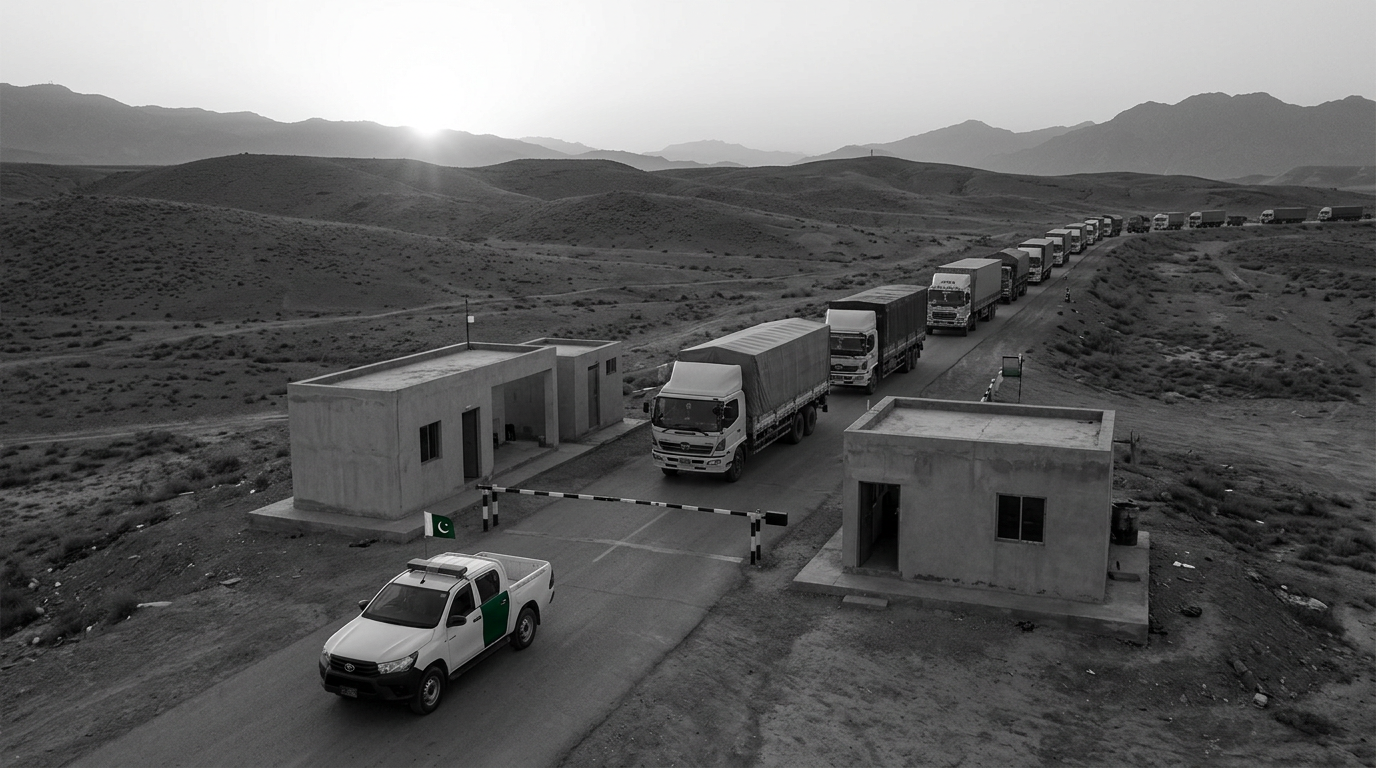
Pakistan’s top civilian and military leaders completed separate diplomatic trips on April 18, 2026, as Islamabad works to reduce tensions between the United States and Iran and position itself to host additional talks. Officials said the outreach comes after high-level U.S.-Iran discussions in Islamabad last week ended without a definitive agreement.
Field Marshal Asim Munir traveled to Tehran, where his three-day visit included meetings with Iranian President Ebrahim Raisi, Foreign Minister Hossein Amir-Abdollahian, Parliament Speaker Mohammad Bagher Ghalibaf, and the head of Iran’s military central command. The engagements were presented as part of Pakistan’s effort to keep diplomatic channels open amid heightened regional strains.
In parallel, Prime Minister Shehbaz Sharif undertook a multi-country tour to Saudi Arabia, Qatar, and Turkey, with the trip concluding in Antalya, Turkey. Officials said the purpose of the tour was to build regional backing for the ongoing diplomatic track involving Washington and Tehran, as Pakistan seeks broader support for de-escalation efforts.
The latest push is unfolding against a time-sensitive backdrop in the Gulf. A ceasefire that led to the reopening of the Strait of Hormuz is set to expire on April 22. Iran had reimposed restrictions on the strait, accusing the U.S. of violating an agreement, adding urgency to diplomatic efforts that aim to prevent renewed escalation.
Former U.S. President Donald Trump has indicated that a second round of U.S.-Iran talks could take place in Pakistan in the coming days, and he acknowledged Pakistan’s role in facilitating dialogue. Officials have also pointed to last week’s Islamabad talks as a foundation for further engagement, even though they ended without a final deal.
What happened is a coordinated set of diplomatic moves by Pakistan’s leadership—one track in Tehran and another across key regional capitals—linked to an effort to keep U.S.-Iran negotiations alive and to prepare for possible follow-on talks in Pakistan. What it means for markets and governments is that the diplomatic calendar is now closely tied to the April 22 ceasefire deadline and the status of access through the Strait of Hormuz, a critical route for global energy and shipping flows.
Key uncertainties remain. It is not clear whether a second round of talks will be scheduled immediately, or whether the ceasefire will be extended beyond April 22. It is also unclear how the U.S. and Iran will address the dispute over alleged violations that Iran cited when it reimposed restrictions on the strait.