Pakistan leaders arrive in Tehran for Khamenei funeral
Shehbaz Sharif and Asim Munir attended the funeral as Islamabad keeps a mediation channel open between Tehran and Washington.
Mateo Fernandez ·
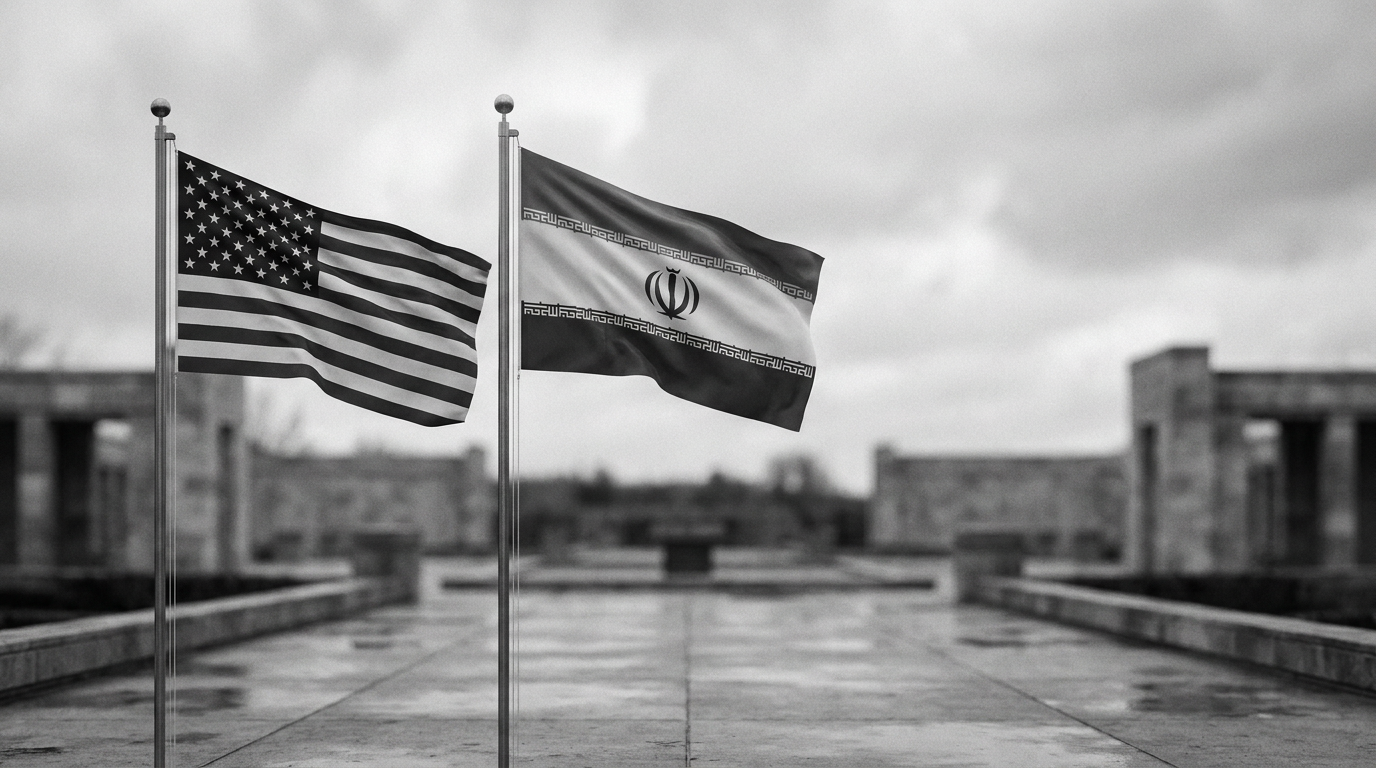
Officials said Pakistan's Prime Minister Shehbaz Sharif and Army Chief Field Marshal Asim Munir arrived in Tehran on July 3, 2026, to attend the funeral of Iran's late Supreme Leader Ayatollah Ali Khamenei. Reaction pending, with investors watching whether the visit affects perceived risks around Gulf energy routes.
The trip puts Islamabad visibly inside a diplomatic channel between Tehran and Washington at a tense moment for the region. The source material describes ceasefire efforts as fragile and US-Iran negotiations as stalled, while tensions around the Strait of Hormuz remain a central risk for energy markets and shipping.
Islamabad mediates Tehran-Washington channel
Iranian officials said Pakistan remains the official mediator, despite multiple international diplomatic initiatives. That matters because Pakistan has working relationships across the region and can carry messages without the same public political cost faced by direct US-Iran engagement.
For Tehran, the attendance of Pakistan's civilian and military leadership signals regional backing at a highly symbolic state event. For Islamabad, the visit raises its diplomatic profile but also exposes it to pressure if talks fail or if Gulf tensions spread into trade, fuel prices or security ties.
The market mechanism is straightforward: if mediation helps preserve a ceasefire track, geopolitical risk premia in energy and shipping could ease. If talks fracture instead, attention would shift quickly to the Strait of Hormuz and any threat to maritime flows.
By July 4, 2026, diplomats will be watching for any official readout from Tehran or Islamabad on whether funeral diplomacy produced a new contact window with Washington.