Iran-Japan oil talks put Washington’s sanctions waiver strategy under scrutiny
Iran has begun talks with Japanese firms under a U.S. sanctions waiver, testing how far Washington will bend oil restrictions for its allies.
Lauren Collins ·
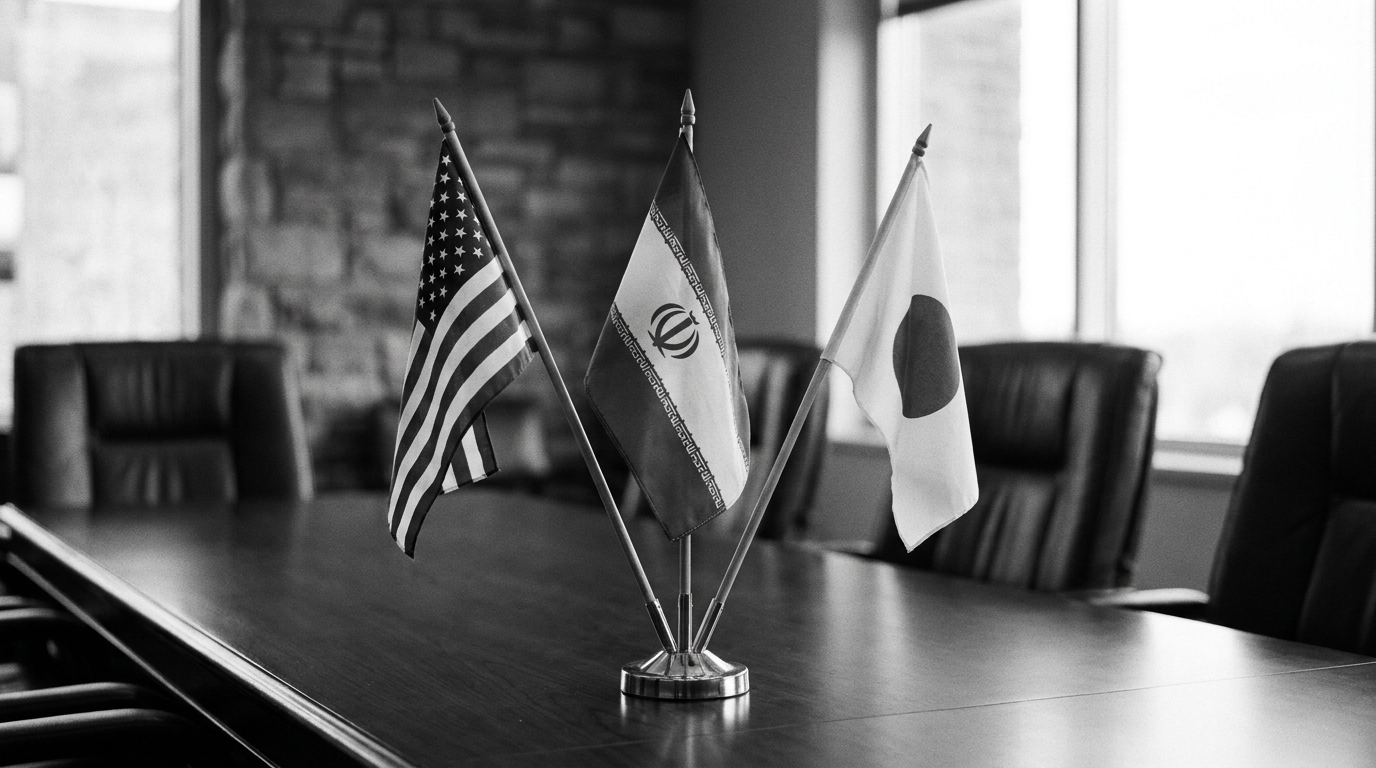
# Iran-Japan oil talks put Washington’s sanctions waiver strategy under scrutiny
Washington’s Iran sanctions strategy faced a fresh test after a senior Iranian official said Tehran had begun talks with Japanese companies on possible oil sales under a temporary U.S. waiver. The official said any deal would require Washington to extend the exemption because cargoes moving between Iran and Japan need enough time to be contracted, loaded, shipped and paid for.
United States
The statement matters less for the volume of oil immediately
at stake than for the precedent it could create.
If the Biden administration allows a close Asian ally to resume even
limited Iranian crude purchases, other partners may ask why the same logic should not apply to them.
U.S. sanctions on Iranian oil are the core financial lever in Washington’s long-running effort to constrain Tehran’s nuclear program, missile work and regional armed networks. The modern version hardened after the United States left the 2015 nuclear agreement in 2018 and reimposed restrictions aimed at cutting Iran’s petroleum revenue, which remains one of Tehran’s most important sources of hard currency.
For allies, the policy has always carried a trade-off. Japan, South Korea and several other U.S. partners historically bought Iranian crude because it fit their refinery systems and helped diversify energy supply. Washington has used waivers before to manage that friction, including temporary exemptions that allowed some importers to keep buying Iranian oil while reducing purchases over time.
Washington wants to keep pressure on Iran
The reported Japan channel would revive that old sanctions dilemma in a new market environment. Washington wants to keep pressure on Iran, but it also wants stable relations with allies that import most of their energy and face price swings from Middle East risk, Russia-related disruptions and tight shipping routes.
The key Washington players are the State Department, which handles much of the diplomatic messaging; the Treasury Department, which enforces sanctions and can issue licenses or penalties; the White House National Security Council, which coordinates Iran policy across agencies; and Congress, where many lawmakers oppose steps that look like sanctions relief absent a nuclear concession from Tehran.
The Pentagon also watches the file because oil diplomacy with Iran is inseparable from maritime security. Any expansion of lawful Iranian oil trade would run through waterways where U.S. forces already track tanker movements, militia activity and threats around the Strait of Hormuz and nearby routes.
For Japan, the issue is energy security rather than a strategic turn toward Tehran. Tokyo is a treaty ally of the United States, depends heavily on imported fuel, and has often tried to preserve a diplomatic channel with Iran while remaining aligned with Washington on sanctions enforcement.
Iran’s public framing is also tactical. By saying talks are already underway and that shipping time requires an extended waiver, Tehran is pushing the issue from a quiet licensing question into a public test of U.S. intent. That can pressure Washington to clarify whether the waiver is a narrow administrative carveout or a broader opening.
If the waiver is narrow, the administration can argue it is managing ally-specific energy needs without changing the sanctions architecture. If it is extended or copied elsewhere, critics in Washington will cast it as a softening of enforcement at a moment when Iran’s regional role remains a central concern in U.S. Middle East policy.
The commercial mechanics matter. Oil deals are not switched on overnight; buyers need clarity on insurance, shipping, bank payments, cargo timing and exposure to secondary sanctions. A waiver that expires before a vessel can complete the trade is commercially weak, which is why the Iranian official’s focus on shipping time is more than a logistical footnote.
The political mechanics are just as important. The administration can tolerate some quiet flexibility if it reduces energy pressure on allies and keeps diplomatic channels open. It will face a sharper fight if Congress sees the waiver as a concession to Tehran without visible limits, reporting requirements or an explanation of what Washington receives in return.
The clearest test is whether the State Department or Treasury publicly defines the waiver’s length, scope and eligible transactions, or whether Japan’s Ministry of Economy, Trade and Industry confirms purchase talks or contracts. By August 30, 2024, the signal is right if Washington acknowledges or extends a Japan-specific waiver, or if other allies begin similar talks with Iran under U.S. exemptions; it is wrong if U.S. officials rule out an extension, the talks stall, and no comparable ally seeks a carveout.