Hormuz Recovery: Years, Not Months
Strait of Hormuz recovery could take months to years, with 13 million bpd of oil and major LNG volumes stranded, the report said.
Lauren Collins ·
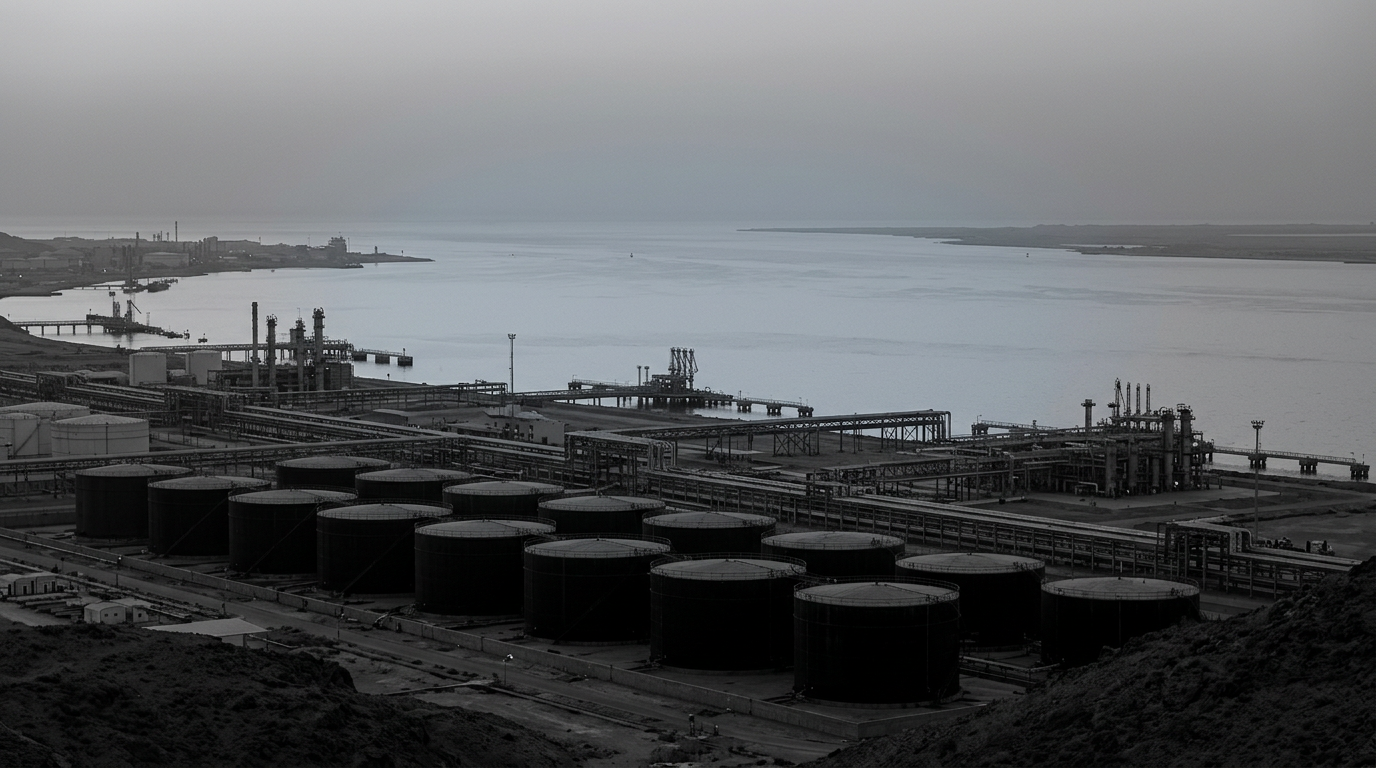
LONDON, April 20 — Oil and gas shipments through the Strait of Hormuz may need months and potentially years to return to pre-conflict volumes, even if fighting stops, according to an assessment cited in the report. The outlook follows Iran’s moves to tighten its grip on the waterway, including firing on vessels and announcing a closure shortly after a brief reopening during a 10-day ceasefire.
The disruption is linked to a U.S.-Israeli conflict with Iran that began with an aerial bombing campaign on February 28, officials and industry assessments said. The strait is described as a key global energy chokepoint that typically carries about one-fifth of worldwide oil and gas supplies. The report said the interruption has had an immediate and severe effect on energy markets.
As a result of the shipping breakdown, around 13 million barrels per day (bpd) of oil supply and roughly 300 million cubic meters per day of liquefied natural gas (LNG) have been stranded inside the Gulf, the report said. Producers have been forced to halt operations across oil fields, refineries, and LNG plants. The report said the stoppages have created major economic consequences across Asia and Europe.
The report also said the conflict has caused longer-lasting harm to regional energy infrastructure and to diplomatic relationships. It added that a full recovery depends on diplomatic outcomes between Washington and Tehran, alongside difficult logistical constraints that would need to be resolved before flows can normalize.
The first operational step described is clearing cargoes already inside the Gulf. The report said about 260 loaded vessels are in the area, carrying roughly 170 million barrels of oil and 1.2 million metric tons of LNG. These shipments are largely headed to Asia, which the report said typically takes 80% of Gulf oil exports and 90% of LNG cargoes.
After that, the report said more than 300 empty tankers positioned in the Gulf of Oman would enter to relieve pressure on onshore storage. Commercial crude inventories on land were put at about 262 million barrels, described as equivalent to 20 days of disrupted production. The report said this sequencing underscores how restarting flows is not only about reopening a route, but also about restoring the shipping system that supports exports.
Even under favorable conditions, the report said rebalancing the global tanker fleet and returning to pre-conflict loading patterns would take at least eight to 12 weeks. It added that delays could extend further because of tanker availability constraints and longer voyage times. The timeline remains uncertain, the report indicated, because it is tied both to security conditions at sea and to the pace of diplomatic progress.