OpenAI faces leadership gap as Simo shifts to adviser role
OpenAI executive Fidji Simo will leave day-to-day duties after medical leave, complicating management planning before a possible public offering.
Jason Kwon ·
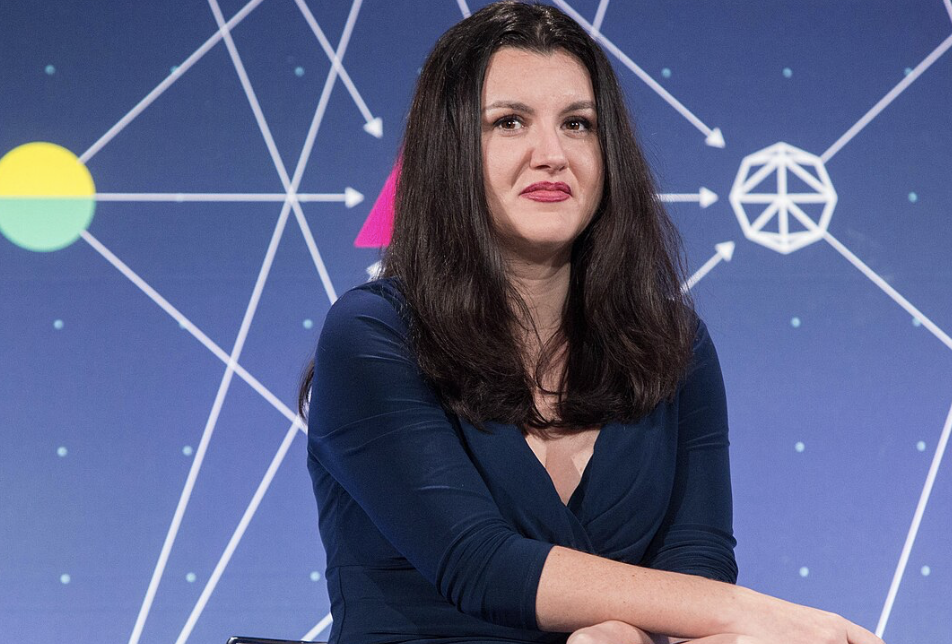
OpenAI executive Fidji Simo will give up day-to-day duties following medical leave, adding a leadership test before a possible public offering.
Simo told employees Thursday that her neuroimmune condition had worsened and that recovery would take longer than she expected. She will remain connected to OpenAI as an adviser on a reduced schedule rather than returning to a full operating post.
The decision removes one of the company’s most senior operators at a delicate point. OpenAI is preparing for a potential public listing as soon as this year while trying to strengthen its position with corporate customers against Anthropic.
Altman loses a key operator
Chief Executive Sam Altman had selected Simo to run product and commercial operations, putting her close to the center of OpenAI’s expansion plan. Her brief included oversight of the chief financial officer and chief revenue officer, responsibilities that had previously remained nearer to Altman.
That structure mattered because OpenAI is no longer only a research lab with a fast-growing consumer app. It is also a company trying to turn ChatGPT demand into durable revenue, enterprise contracts and investor confidence.
Simo’s reduced role means Altman must decide how to divide product, finance and revenue oversight without slowing execution. The immediate risk is not a single empty seat, but a thinner management layer at the moment OpenAI is trying to prove it can operate at public-company scale.
ChatGPT’s commercial push shifts
Simo joined OpenAI last August after leading Instacart and holding a senior post at Facebook. That background made her a natural choice for a company seeking stronger consumer products, advertising models and operational discipline.
In April, she told staff she was taking medical leave after her condition deteriorated. Her absence raised questions inside the company and among investors because she had absorbed duties from Altman and was expected to carry a larger share of management if OpenAI went public.
During her tenure, ChatGPT moved further into consumer services, including advertising and health-advice features. Those initiatives point to OpenAI’s broader challenge: keeping the chatbot useful and trusted while expanding revenue sources beyond subscriptions and developer tools.
IPO questions sharpen succession test
The timing makes the departure more consequential than a routine personnel change. A company approaching public markets typically needs clear reporting lines, predictable revenue management and credible executives who can explain strategy to employees, customers and investors.
For OpenAI, the management question sits alongside a competitive one. Anthropic has been gaining attention among business customers, and enterprise buyers often judge vendors not only by model performance but also by stability, support and governance.
If Simo’s advisory role preserves enough institutional knowledge, OpenAI can keep product decisions moving while Altman appoints or elevates a replacement. In that case, the company limits disruption, the AI sector avoids a broader confidence shock and the public-offering window remains tied more to market conditions than management turnover.
If the transition proves slow, the pressure changes shape. OpenAI could face delayed product decisions, enterprise customers may ask harder questions about continuity, and other AI companies could use the opening to pitch themselves as steadier partners for large organizations.
The open questions are specific: who will take over Simo’s operating responsibilities, whether the finance and revenue teams keep the same reporting structure, and how quickly OpenAI clarifies its leadership map before any listing process advances.