Oman said to propose Hormuz fee plan after war
Officials said Oman proposed a plan for Iran and Oman to collect fees from ships crossing the Strait of Hormuz.
Mateo Fernandez ·
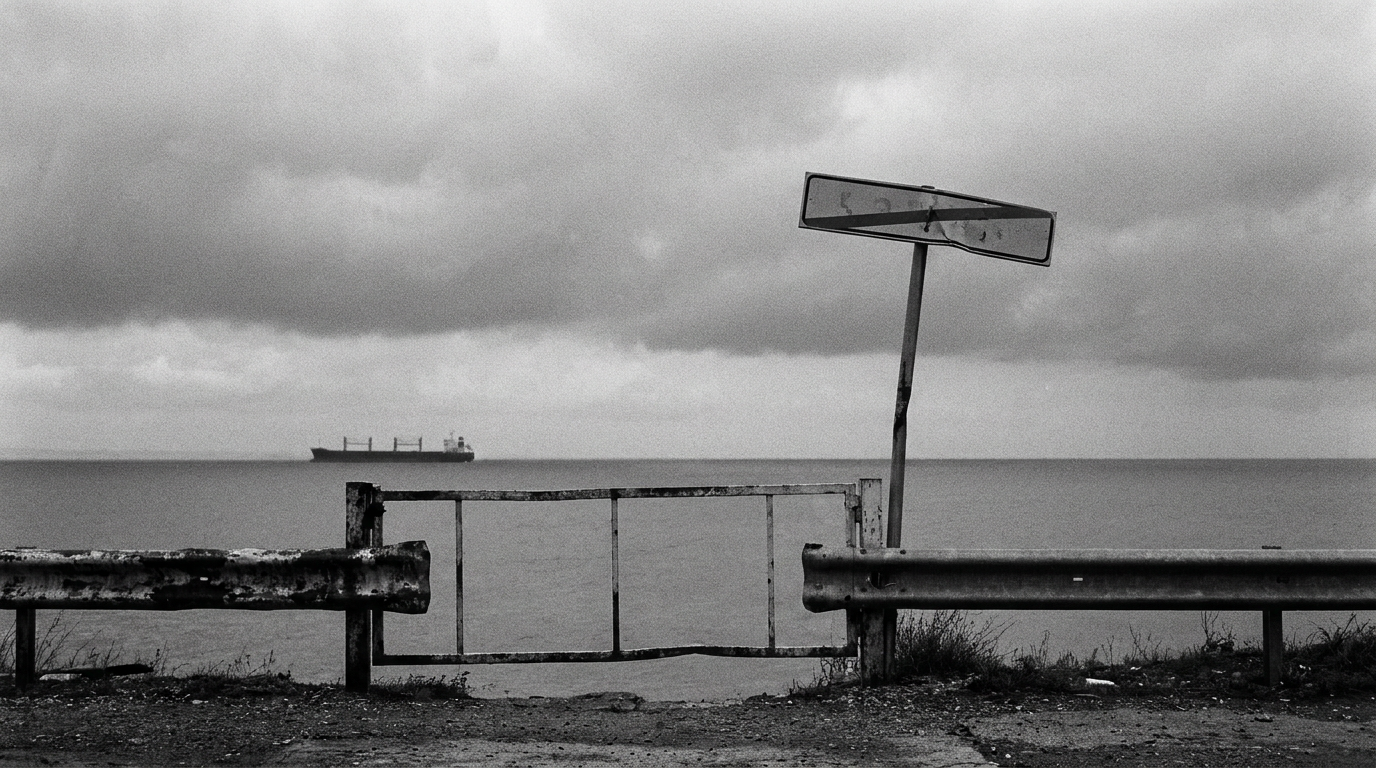
Oman has proposed a fee mechanism for ships using the Strait of Hormuz after the US-Iran war, officials and diplomats with knowledge of the matter said. Market reaction was pending, but the idea touches one of the world’s most politically sensitive maritime chokepoints and could draw scrutiny from energy traders, shipowners and governments reliant on Gulf exports.
Hormuz fee plan tests tanker routes
Under the proposal, Iran and Oman would collect payments from vessels passing through the strait, officials said. The reported plan would turn transit through the waterway into a direct revenue issue for the two coastal states, adding a commercial layer to a route already shaped by military risk and diplomatic pressure.
The Strait of Hormuz links Gulf producers with global markets, so any
new charge would matter less as a standalone fee than as a signal of who controls passage terms.
If the plan is treated as a limited toll arrangement, the main
effect would likely fall on shipping costs and contract pricing. If it is read as a political instrument, insurers and charterers could demand higher compensation for risk.
For Oman, the proposal offers a potential role as mediator and co-manager of a sensitive corridor. For Iran, it could create revenue and leverage after conflict with the United States, while also risking pushback if other governments see the mechanism as coercive.
By July 8, 2026, markets will be watching whether Oman or Iran confirms the plan formally, whether shipowners receive payment guidance, and whether major importers challenge the proposal through diplomatic channels.