Netanyahu visits south Lebanon as buffer zone holds
Israel’s prime minister backed the army during a south Lebanon visit, keeping focus on a tense border buffer zone.
Mateo Fernandez ·
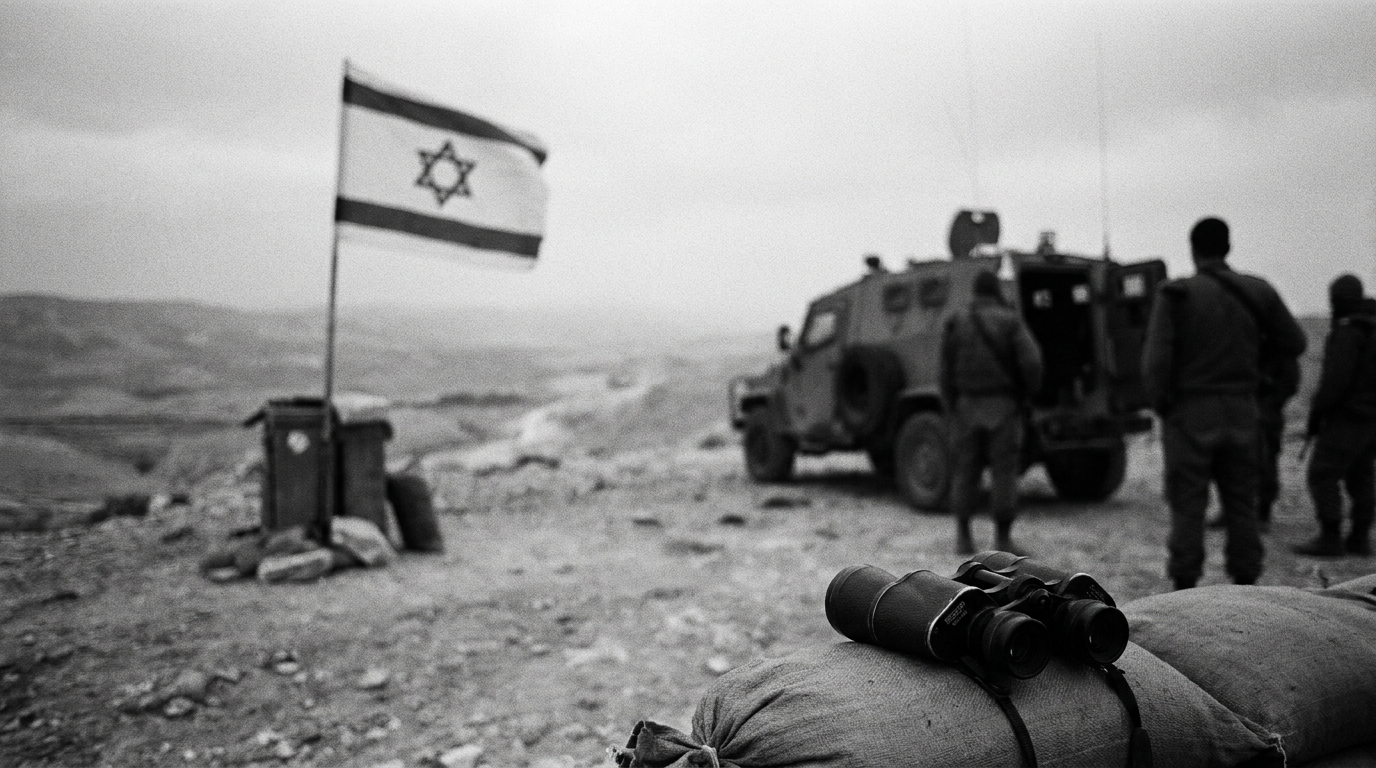
Prime Minister Benjamin Netanyahu visited Israeli-held positions in south Lebanon on July 1, 2026, officials said, backing Israel’s army while a border buffer zone remains in place. Reaction pending, with the immediate market read more likely to come through oil, haven assets and regional risk pricing if the visit draws a military or diplomatic response.
The trip puts fresh attention on one of the region’s most sensitive flashpoints. South Lebanon has long sat at the center of Israel’s security calculations, and any visible show of political support for forces there can narrow room for de-escalation if rival actors treat it as a signal of staying power.
South Lebanon buffer risk
The buffer zone is the operational fact at the center of the story. If it holds without major escalation, Israel can argue that forward deployments are containing cross-border threats, while regional governments may keep pressure on diplomatic channels rather than markets.
If the visit is followed by new fire across the border, the mechanism changes quickly. Global macro risk would run through energy prices and haven demand; Israel would face higher security and diplomatic costs; defense, shipping and insurance sectors would price a wider regional risk premium.
The Gaza ceasefire track is the connected uncertainty. A calmer Lebanon front could help negotiators keep attention on Gaza terms, but a sharper border cycle would give hard-liners on multiple sides more leverage.
By July 2, 2026, the key test is whether Israeli and Lebanese officials report fresh border incidents or signal that the buffer posture remains unchanged.