Iran rift threatens US talks and Hormuz control
A reported split between Pezeshkian and the IRGC could complicate US-Iran talks and raise attention on the Strait of Hormuz.
Mateo Fernandez ·
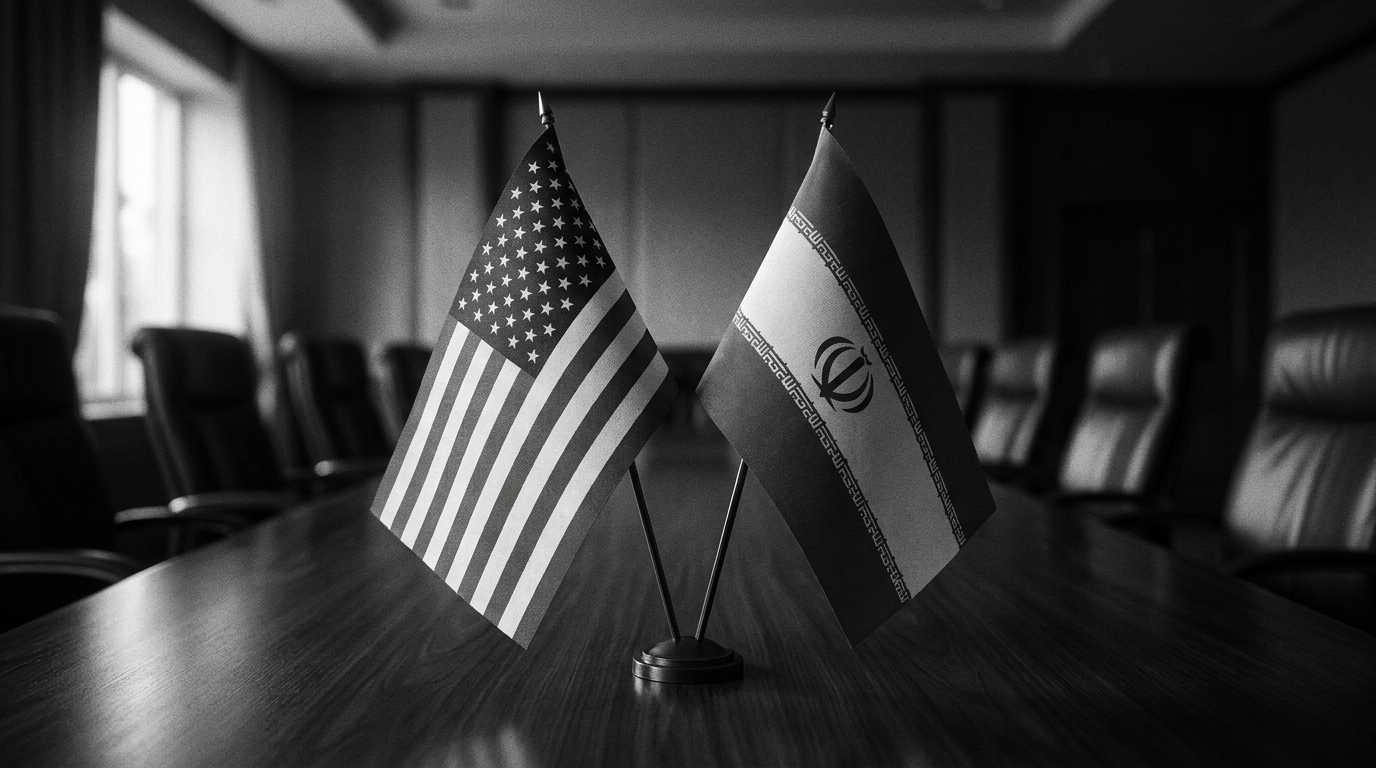
A reported rift between Iranian President Pezeshkian and the IRGC is threatening to complicate US-Iran talks, with each side of Iran’s power structure focused on a different strategic priority. Reaction pending. The report said Pezeshkian is placing greater weight on reviving Iran’s economy, while the IRGC is focused on preserving leverage over the Strait of Hormuz.
Hormuz control strains diplomacy
The split matters because US-Iran talks depend on whether Tehran can present a coherent position on sanctions, security guarantees and regional pressure points. If Pezeshkian’s economic priority dominates, Iran may have more room to explore relief from sanctions or measures that stabilize trade and investment expectations.
If the IRGC’s view prevails, the talks could face a harder security track. Control over the Strait of Hormuz gives Iran leverage in one of the world’s most sensitive maritime corridors, and any signal of tighter military control would raise geopolitical risk for energy flows and shipping insurance.
For global markets, the transmission channel is energy risk, not just diplomacy. A sharper internal split could lift the risk premium in crude and freight costs if traders price a greater chance of disruption near Hormuz. A calmer political line could reduce that premium and shift attention back to sanctions timing.
By July 8, 2026, investors and diplomats will be watching whether Iranian officials issue a unified message on US-Iran talks or allow competing economic and security priorities to remain public.