Oil prices rise as Saudi pipeline outage deepens risks
Oil prices rose nearly 2% after attacks left Saudi Arabia's East-West pipeline offline, keeping traders focused on Hormuz flows and export risk.
Atlas Newsdesk ·
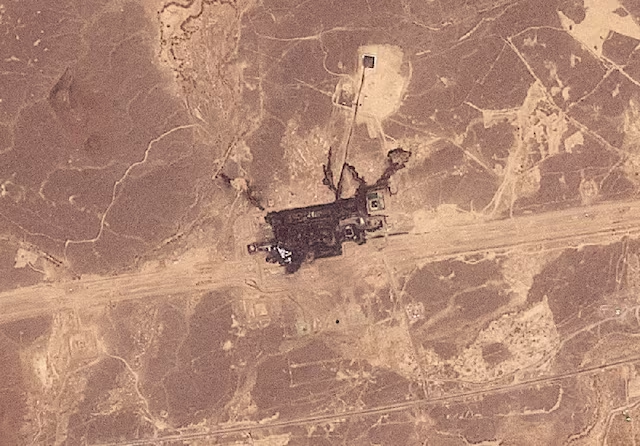
Oil prices rose nearly 2% after attacks left Saudi Arabia's East-West pipeline offline, increasing attention on Gulf supply routes.
Brent futures gained $1.87, or 1.77%, to $107.55 a barrel at 0633 GMT on Tuesday, after rising more than 1% on Monday. West Texas Intermediate added $1.88, or 1.85%, to $103.27, compared with a gain of more than 1% in the prior session.
Saudi pipeline sets the tone
The supply concern centered on the East-West pipeline, which lets Saudi exports reach the Red Sea port of Yanbu without passing through the Strait of Hormuz. Riyadh blamed Iranian-backed fighters in Iraq for Friday attacks that disrupted the route.
Saudi buyers and traders said the kingdom could start running down exportable oil within days if the line stays shut. They said the pipeline has been moving about 4 million barrels a day to Yanbu, equal to around 4% of global supply.
Four Hormuz vessels draw notice
Preliminary Kpler data showed commodity vessel traffic through Hormuz fell to four on Monday from 10 on Sunday. Kpler's comparison showed the route had carried about one-fifth of global oil supplies before the U.S.-Israeli conflict with Iran began on February 28.
Houthi forces in Yemen said they launched missile and drone strikes on Khamis Mushait military airbase in southern Saudi Arabia on Monday. The group said the targets included aircraft hangars, radar systems, runways and ammunition depots, and described the operation as retaliation for Saudi strikes in Yemen.
Gulf Arab states also delayed planned talks with Iran, adding a diplomatic signal to the shipping and pipeline disruptions. Tim Waterer, chief market analyst at KCM Trade, said traders were treating each infrastructure hit as "an incremental supply risk" while watching the pipeline and Hormuz flows.
China demand adds a counterweight
Outside the Gulf, China's official data showed refinery throughput rose for a second straight month in August. The increase followed Beijing's mid-July easing of fuel-export restrictions, which supported processing volumes even as the supply focus stayed on the Middle East.
The China figures matter because oil prices are being shaped by both physical supply risk and demand signals from the world's largest crude-importing economy. A stronger run rate at Chinese refineries can tighten product markets if exports rise, while Gulf disruptions can raise freight and insurance costs for Asian buyers.
Two oil paths depend on repairs
If Saudi Arabia restores the East-West pipeline quickly and Hormuz traffic normalizes, the immediate macro effect would be to reduce the oil-price pressure feeding into fuel costs. For Saudi Arabia, the mechanism would be restored access to Yanbu shipments; for the industry, tanker scheduling and refinery procurement planning would become easier.
If the outage lasts and Hormuz traffic remains lower, the pressure would move through fewer export routes, higher shipping risk and tighter prompt crude availability. That path would add to inflation risks for oil importers, restrict Saudi export flexibility and leave refiners and vessel operators managing higher costs.
A separate energy-market question is whether the Russia-Ukraine war reaches any narrower ceasefire around energy sites. Ukrainian President Volodymyr Zelenskiy said Kyiv would support a U.S. proposal only if Washington could ensure Moscow was genuinely ready to end its war on Ukraine.